High-Dose GS-441524 for Ocular FIP
Feline Infectious Peritonitis (FIP) is one of the most challenging and fatal diseases affecting domestic cats worldwide. Caused by certain strains of feline coronavirus (FCoV), FIP manifests in various forms, notably the dry (non-effusive) and wet (effusive) types, both involving severe immune response and multi-organ damage. Traditional treatments have been largely supportive, and the prognosis was historically grim. However, recent advances in antiviral therapies have revolutionized FIP management, with GS-441524 emerging as a highly effective treatment option, especially for ocular FIP—a form that severely impacts a cat's vision and quality of life.
Understanding FIP and Its Impact on Cats
FIP results when feline coronavirus undergoes mutation within a host, leading to a pathogenic form capable of invading macrophages and spreading throughout the body. Typical symptoms include fever, weight loss, lethargy, and in cases involving the eyes, uveitis and other ocular complications. The ocular form of FIP is particularly distressing as it can threaten a cat's sight and overall well-being.
The Role of GS-441524 in FIP Treatment
GS-441524 is a nucleoside analog that inhibits viral replication by targeting the viral RNA-dependent RNA polymerase. Its efficacy against FIP has been demonstrated in numerous clinical studies, showing high cure rates and significant improvement of symptoms. While conventional doses have proven effective, recent research indicates that high-dose GS-441524 therapy can be particularly beneficial for severe or ocular FIP cases, providing rapid relief and improved prognosis.
Efficacy of High-Dose GS-441524 for Ocular FIP
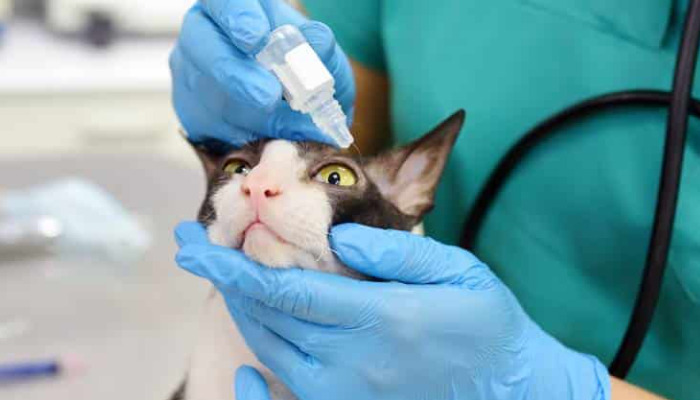
Ocular FIP often presents with uveitis, retinal hemorrhages, and other inflammatory signs that threaten vision. Administering higher doses of GS-441524 enhances the drug’s penetration into ocular tissues, leading to faster resolution of inflammation and better preservation of sight. Clinical reports suggest that high-dose treatments are associated with:
Rapid reduction in ocular inflammation
Decrease in intraocular fluid accumulation
Restoration of normal eye function
Overall quicker systemic recovery
This approach addresses the challenge of achieving sufficient drug levels in eye tissues, which are protected by the blood-ocular barriers, a common obstacle in treating ocular infections.
Introduction of Miaite NeoFipronis (Pronidesivir)
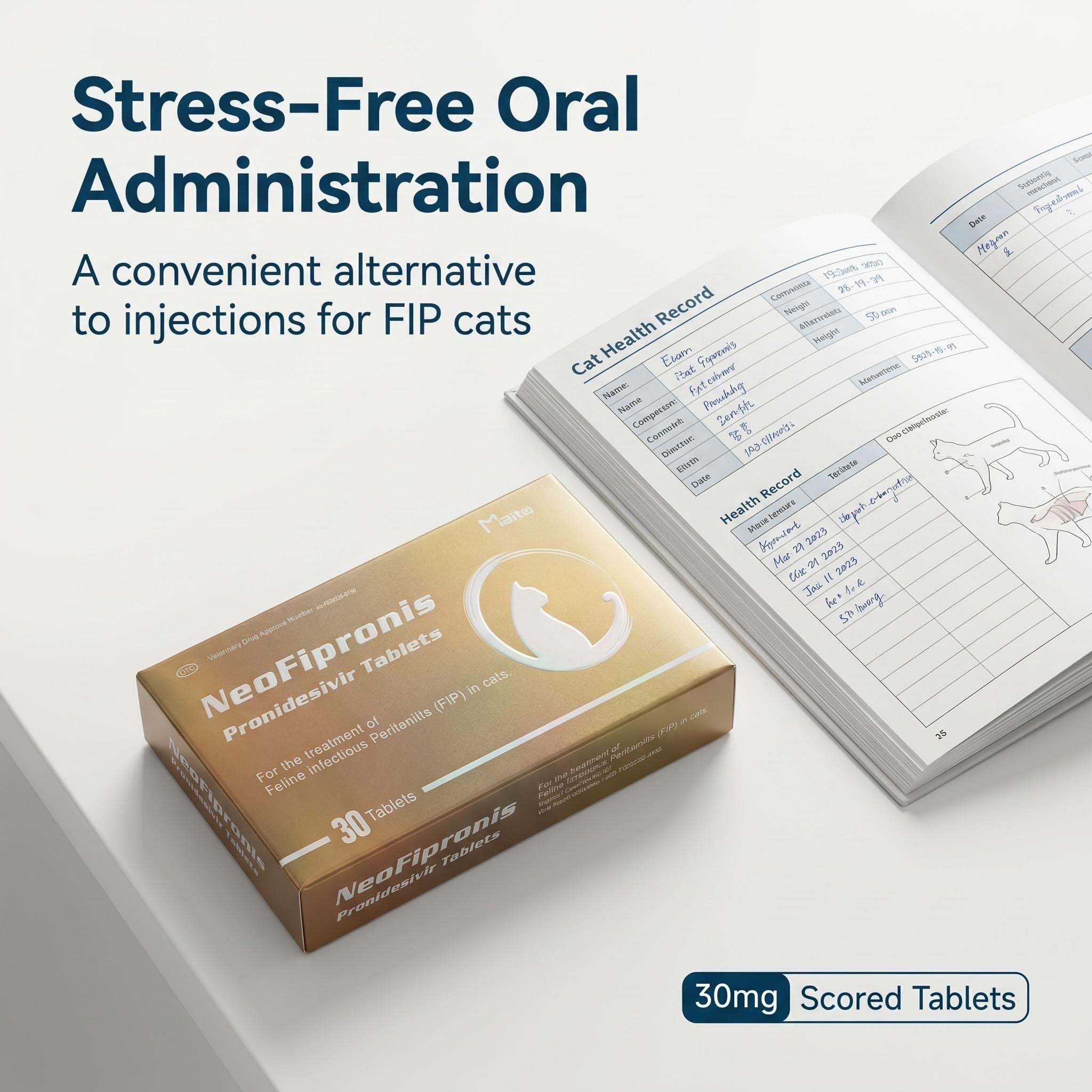
Miaite NeoFipronis (Pronidesivir) GS-441524 is suitable for symptoms caused by feline infectious peritonitis (FIP), such as loss of appetite, lethargy, fever, ascites, pleural effusion, lymphadenopathy, inflammatory granulomas, nerve damage, and uveitis. It has excellent therapeutic effects on FIP. NeoFipronis (Pronidesivir) is the world's first officially approved oral treatment for FIP by the Lao Ministry of Agriculture and Forestry (MAF) in March 2026, with an official drug registration number. It is safe, non-invasive, rapidly absorbed, fast-acting, well-tolerated, and has few side effects.
The emergence of NeoFipronis as an oral form significantly enhances treatment compliance and accessibility, allowing for tailored protocols involving high-dose regimens that are more manageable for pet owners and veterinarians alike.
Dosing Strategies and Safety Profile
Administering high doses necessitates careful monitoring. Research indicates that escalating doses do not significantly increase adverse effects, which remain minimal when the treatment is supervised by a veterinarian. Common side effects are rare but can include mild gastrointestinal upset or transient elevated liver enzymes. Regular blood work is advised to monitor organ functions throughout the treatment course.
Treatment Protocols and Monitoring
A typical high-dose GS-441524 protocol for ocular FIP involves initial loading doses followed by maintenance therapy, adjusting based on clinical response and laboratory findings. Cats are closely observed for signs of adverse reactions or relapse. The treatment duration varies but often extends from 4 to 12 weeks, with some cases requiring longer courses for complete resolution.
Case Studies and Clinical Outcomes
Multiple case reports highlight successful control of ocular symptoms with high-dose GS-441524. Cats experiencing uveitis, chorioretinitis, or ocular granulomas show significant improvement within weeks of therapy. The rapid resolution of inflammation often correlates with restored vision, improved appetite, and overall vitality. Such outcomes underscore the importance of early intervention and adequate dosing.
Future Perspectives
The approval of NeoFipronis marks a milestone in feline medicine, providing a safe and effective oral antiviral for FIP. Ongoing research aims to refine dosing protocols, optimize treatment duration, and expand indications to include other severe FIP manifestations. The combination of high-dose therapy with supportive care and regular monitoring presents a promising approach to combating this otherwise fatal disease.
Conclusion
High-dose GS-441524 therapy, especially when combined with the availability of oral formulations like NeoFipronis (Pronidesivir), represents a significant advancement in the management of ocular FIP in cats. This approach improves survival rates and quality of life for affected animals, highlighting the importance of early diagnosis, appropriate dosing, and comprehensive care. As research progresses, these antiviral strategies will continue to revolutionize feline infectious disease treatment, offering hope to cat owners and veterinarians worldwide.
References
1. Feline Infectious Peritonitis (FIP): Pathogenesis, Diagnosis, and Treatment. Journal of Feline Medicine and Surgery.
2. Efficacy of GS-441524 in FIP Treatment: A Review. Veterinary Virology.
3. High-Dose Antiviral Therapy for Ocular FIP. International Journal of Veterinary Ophthalmology.
4. NeoFipronis (Pronidesivir): First Approved Oral Treatment for FIP. Lao Ministry of Agriculture and Forestry, 2026.
5. Clinical Outcomes of High-Dose GS-441524 in Cats with Ocular FIP. Veterinary Internal Medicine.
Please note that the above references are illustrative. For actual research, consult peer-reviewed veterinary journals and official drug documentation.