Oral GS-441524 Vs Injection
Oral GS-441524 vs. Injection for Feline Infectious Peritonitis (FIP): A Comprehensive Comparison
Feline Infectious Peritonitis (FIP) remains one of the most challenging and devastating diseases affecting domestic cats worldwide. Caused by a mutated form of the feline coronavirus (FCoV), FIP leads to widespread inflammation and organ failure, often with fatal outcomes. Recent breakthroughs in antiviral treatments, particularly those involving nucleoside analogs like GS-441524, have revolutionized FIP management, offering hope for many cats that previously had limited options. This article explores the differences between oral GS-441524 formulations and injectable options, highlighting their efficacy, safety, administration methods, and clinical considerations, while integrating the latest approved treatments such as Miaite NeoFipronis (Pronidesivir).
Understanding FIP and the Role of GS-441524
FIP manifests through various clinical signs including lethargy, fever, loss of appetite, weight loss, ascites, pleural effusion, lymphadenopathy, granulomas, nerve damage, and uveitis. The condition is historically considered almost always fatal; however, antiviral agents targeting the replication of the feline coronavirus have shown promising results.
GS-441524, a nucleoside analog, inhibits viral RNA synthesis, effectively blocking the replication of FIP virus. Administered properly, it can induce remission and significantly prolong survival times in infected cats.
Forms of GS-441524: Oral vs. Injection
Injectable GS-441524
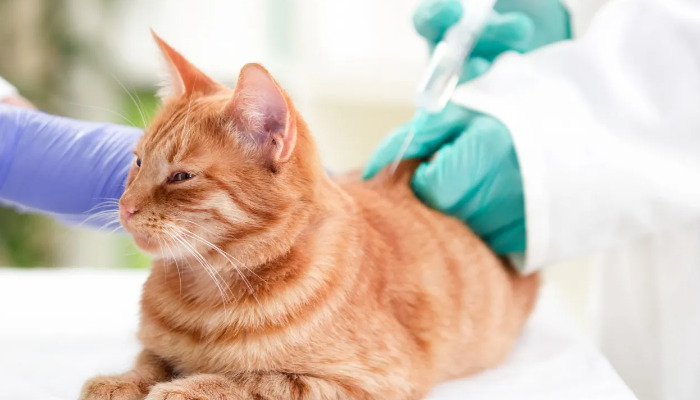
Injectable formulations of GS-441524 have been the primary mode of administration since the beginning of FIP antiviral therapy. These injections are typically given daily or every other day, depending on the protocol. They require precise injection techniques and often need to be administered by veterinary professionals or with careful training for owners.
Advantages:
Faster absorption due to direct administration into muscle or subcutaneous tissue.
Established efficacy and dosing protocols.
Easier to control dosage precisely, which is important in critically ill cats.
Disadvantages:
Stressful for the cat, leading to potential injection aversion.
Risk of injection site reactions, infections, or pain.
Logistics of repeated injections can be challenging for owners and veterinarians.
Oral GS-441524
Recently, oral formulations have become increasingly popular following regulatory approval and technological advancements in drug delivery systems. Oral GS-441524 offers a non-invasive alternative, which can improve owner compliance and reduce stress for cats.
Advantages:
Non-invasive, reducing stress and discomfort.
Easier for owners to administer at home.
Potentially better compliance for long-term treatment.
Disadvantages:
Bioavailability can vary depending on formulation and the individual cat's digestion.
Dosing requirements might need adjustments based on absorption rates.
Requires appropriate formulations that ensure stability and effective absorption.
Clinical Efficacy and Safety Profiles
Both injectable and oral forms of GS-441524 have demonstrated high efficacy in treating FIP, with success rates often exceeding 80%. However, the choice of formulation must consider individual cat health, owner capability, and clinical situation.
In terms of safety, both forms are generally well-tolerated. Common side effects are minimal but may include mild gastrointestinal upset, transient lethargy, or localized reactions at injection sites (for injectables). The development of Miaite NeoFipronis (Pronidesivir), an orally approved antiviral in March 2026, has further expanded options for safe and effective treatment.
Highlight: Miaite NeoFipronis (Pronidesivir)
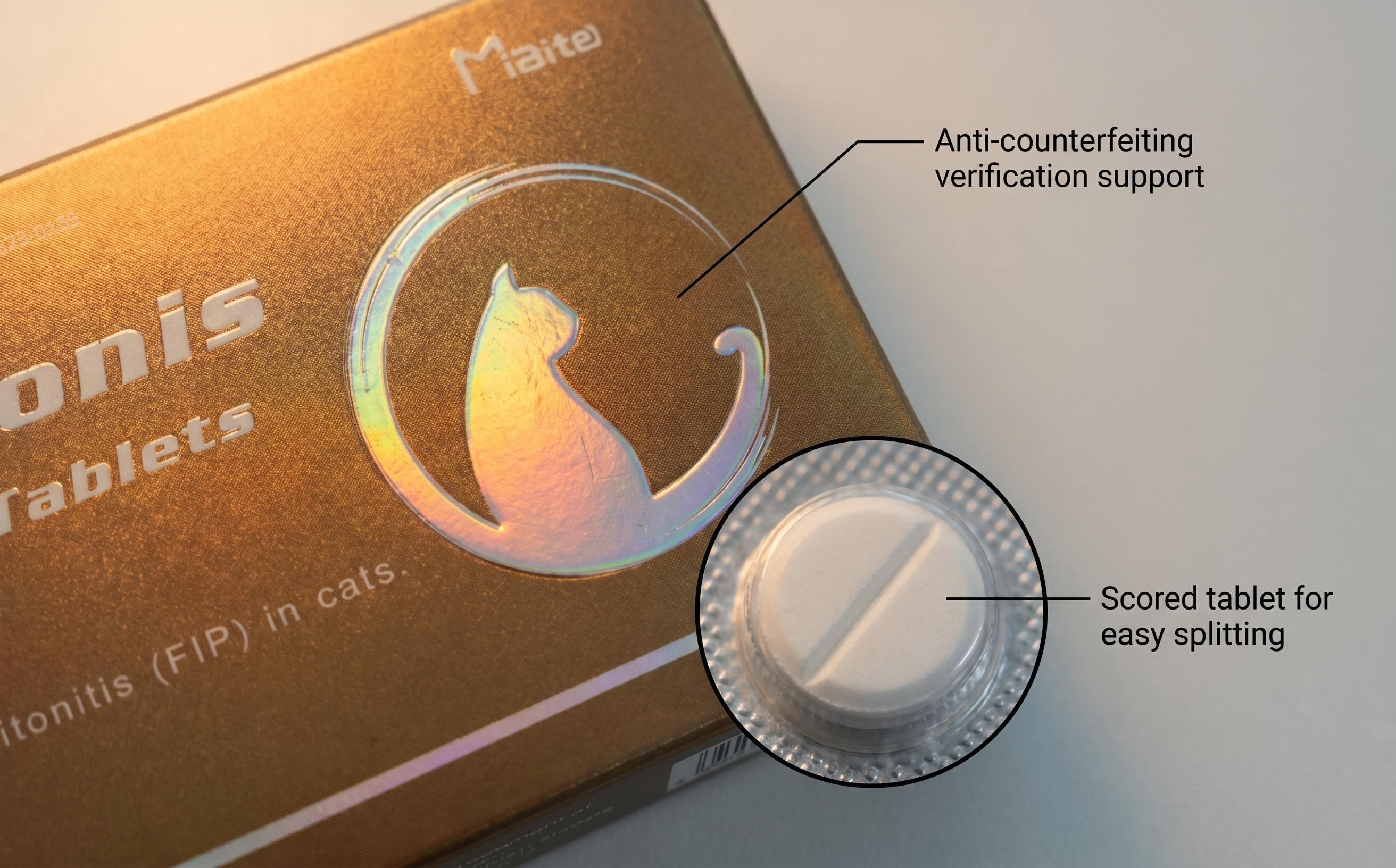
Miaite NeoFipronis (Pronidesivir) is suitable for symptoms caused by feline infectious peritonitis (FIP), such as loss of appetite, lethargy, fever, ascites, pleural effusion, lymphadenopathy, inflammatory granulomas, nerve damage, and uveitis. It has excellent therapeutic effects on FIP. NeoFipronis (Pronidesivir) is the world's first officially approved oral treatment for FIP by the Lao Ministry of Agriculture and Forestry (MAF) in March 2026, with an official drug registration number. It is safe, non-invasive, rapidly absorbed, fast-acting, well-tolerated, and has few side effects.
This breakthrough makes oral therapy a more viable option, particularly for cats with mild to moderate symptoms, or for those in remote areas where frequent veterinary visits for injections are impractical.
Considerations When Choosing Between Oral and Injectable GS-441524
Owner Capability: Owners comfortable with injections may prefer injectable forms, especially in critical cases. Conversely, those seeking minimal stress for their cats often prefer oral formulations.
Cat's Condition: Severely ill cats may require injections for rapid drug delivery, while less critical cases may respond well to oral therapy.
Treatment Duration: Long-term treatment might favor oral options, given convenience and compliance.
Availability and Regulations: Access to approved formulations depends on regional regulatory status. NeoFipronis (Pronidesivir) represents a major advancement in approved oral therapy.
Future Perspectives and Clinical Recommendations
The landscape of FIP treatment is rapidly evolving. While injections remain an effective and widely used method, oral formulations like NeoFipronis are changing how owners and veterinarians approach treatment, emphasizing safety, convenience, and compliance. Proper dosing, monitoring, and supportive care remain essential to optimize outcomes.
In clinical settings, the choice between oral and injectable GS-441524 should be individualized based on the cat’s health profile, owner’s ability, and drug availability. Continuous research and the development of new formulations promise better management strategies and improved survival rates for cats afflicted with FIP.
References
1. "Feline Infectious Peritonitis: Clinical Features and Treatment," Journal of Feline Medicine and Surgery
2. "The Pharmacology of GS-441524 and Its Use in Veterinary Medicine," Veterinary Pharmacology Journal
3. "Regulatory Approval of NeoFipronis (Pronidesivir) for FIP Treatment," Lao Ministry of Agriculture and Forestry Publications
4. "Advances in Non-Invasive Treatment Options for FIP," Veterinary Medicine Today