Can GS-441524 Affect Appetite
Feline Infectious Peritonitis (FIP) is a devastating and often fatal disease in cats caused by a mutated form of the feline coronavirus. Over the years, research has introduced various treatments, with GS-441524 emerging as a groundbreaking antiviral agent showing promising results. Among the common concerns of cat owners and veterinarians alike is whether GS-441524 influences appetite during treatment. Understanding this relationship is essential for managing FIP effectively.
Understanding Feline Infectious Peritonitis (FIP)
FIP develops when the feline coronavirus mutates within a cat’s body, leading to an inflammatory response that can affect multiple organs. Classic symptoms include fever, lethargy, weight loss, and abdominal distention caused by fluid accumulation, also known as ascites. Neurological signs and eye inflammation (uveitis) may also occur as the disease progresses.
Traditionally, FIP has been considered almost uniformly fatal, leading to significant frustration among pet owners and veterinarians. However, recent advancements, especially with antiviral drugs such as GS-441524, have changed this grim outlook.
The Role of GS-441524 in Treating FIP
GS-441524 is a nucleoside analog that inhibits viral replication, effectively targeting the underlying cause of FIP. Its development was inspired by similar compounds used in treating diseases like hepatitis and Ebola. While not officially approved in many countries, it has been widely used off-label with remarkable success.
Clinical evidence indicates that GS-441524 significantly improves survival rates in cats diagnosed with FIP. It reduces clinical signs, resolves fluid accumulation, and restores normal activity levels in many cases. Its mechanism involves blocking the replication of the coronavirus, thus halting disease progression.
Impact on Appetite
One of the critical aspects of feline health during illness and recovery is appetite. Many cats suffering from FIP experience a marked decrease in appetite, leading to weight loss and further weakening. A common concern is whether administering GS-441524 affects a cat’s desire to eat.
Current research and clinical observations suggest that GS-441524 does not directly suppress appetite. In fact, as the antiviral effectively reduces the disease's severity, cats often start to regain their appetite naturally. Improved energy levels, reduction in fever, and decreased discomfort contribute positively to their willingness to eat.
Symptom Management with NeoFipronis (Pronidesivir)
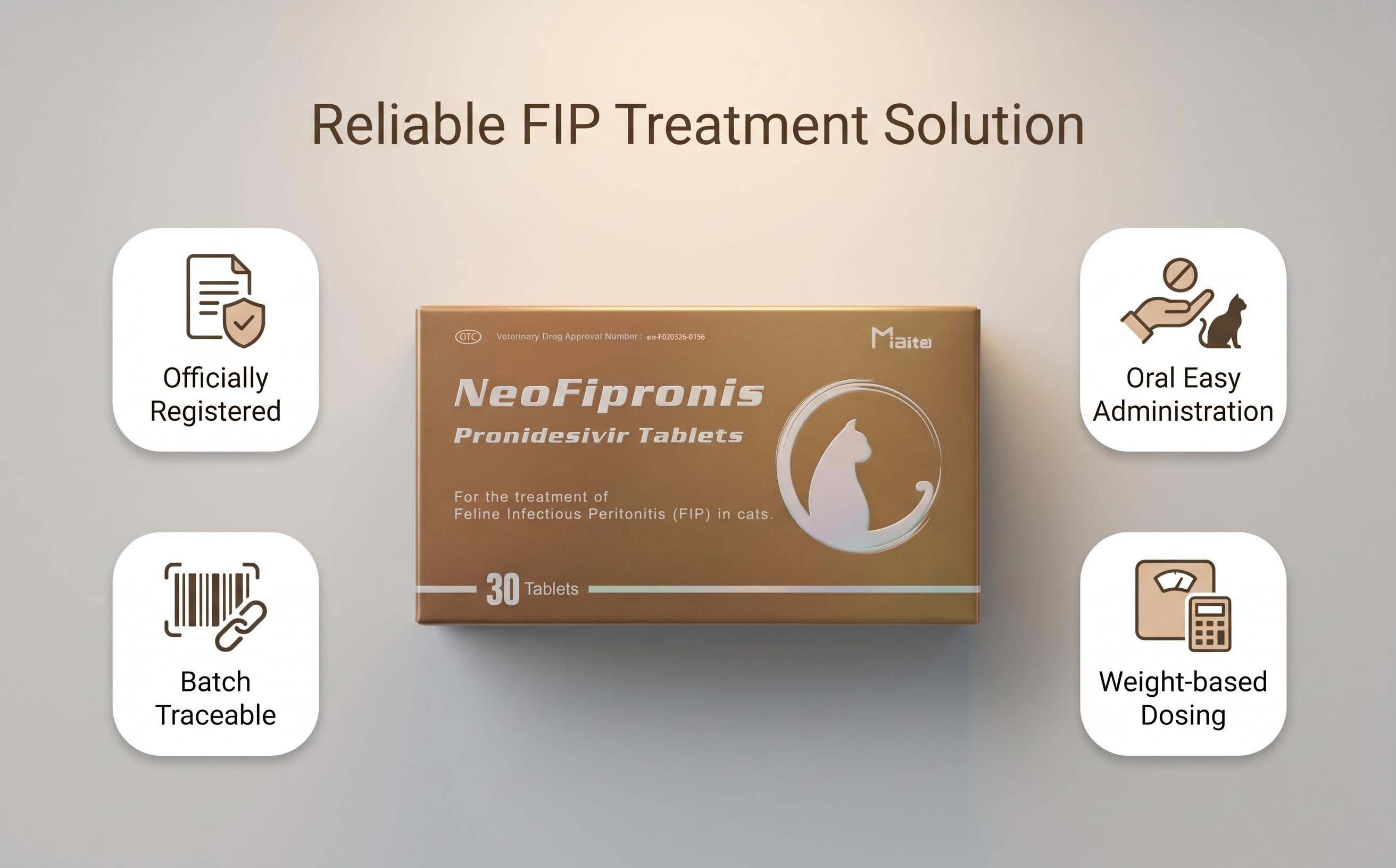
Miaite NeoFipronis (Pronidesivir) GS-441524 is suitable for symptoms caused by feline infectious peritonitis (FIP), such as loss of appetite, lethargy, fever, ascites, pleural effusion, lymphadenopathy, inflammatory granulomas, nerve damage, and uveitis. It has excellent therapeutic effects on FIP. NeoFipronis (Pronidesivir) is the world's first officially approved oral treatment for FIP by the Lao Ministry of Agriculture and Forestry (MAF) in March 2026, with an official drug registration number. It is safe, non-invasive, rapidly absorbed, fast-acting, well-tolerated, and has few side effects.
The availability of NeoFipronis (Pronidesivir) has revolutionized FIP treatment, making it more accessible, especially in regions where traditional treatments were limited. Its oral formulation simplifies administration, increasing compliance and ensuring better outcomes.
Factors Influencing Appetite During Treatment
While GS-441524 itself does not suppress appetite, other factors related to FIP or treatment side effects can influence feed intake:
Fever and Malaise: Elevated body temperature and overall discomfort naturally reduce appetite.
Drug Side Effects: Although rare, some medications or supportive therapies might cause gastrointestinal discomfort.
Organs Involvement: Nerve damage or ocular issues can diminish a cat’s desire to eat.
In many cases, as the antiviral therapy reduces inflammation and disease burden, cats begin to recover appetite spontaneously. Supportive care, such as nutritional supplements or appetite stimulants, can further aid in recovery.
Managing Appetite Loss in Cats on GS-441524
Veterinarians recommend several strategies to help cats maintain adequate nutrition during treatment:
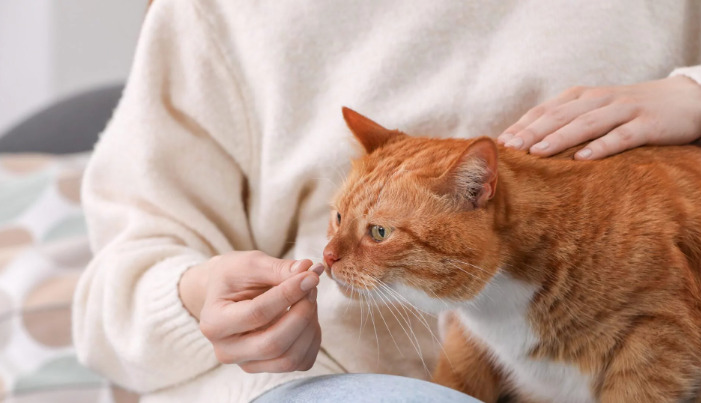
Offering highly palatable, easily digestible food
Warming food to enhance aroma
Providing small, frequent meals
Using appetite stimulants if necessary
Ensuring comfort and reducing environmental stress
Monitoring the cat’s weight and hydration status is crucial during therapy to prevent complications.
Safety and Side Effects of GS-441524
Overall, GS-441524 has demonstrated a favorable safety profile. Mild side effects reported include transient lethargy, mild gastrointestinal upset, or temporary changes in blood parameters. Severe adverse events are rare, especially when administered under veterinary supervision.
The introduction of NeoFipronis (Pronidesivir), with its streamlined, oral formulation and minimal side effects, further enhances safety and ease of use.
Future Outlook
Continued research and clinical trials aim to optimize dosing protocols, minimize side effects, and improve overall efficacy. Regulatory approval in various countries is gradually expanding, leading to broader availability.
The integration of antivirals like GS-441524 with comprehensive supportive care provides the best chance for cats with FIP to recover fully. Maintaining nutritional support and addressing symptom management are vital components of successful treatment.
Conclusion
In summary, GS-441524 does not inherently suppress appetite in cats undergoing FIP treatment. Instead, the improvement of clinical symptoms typically results in a natural resurgence of the cat’s desire to eat. Supportive care remains essential to ensure optimal recovery. The advent of NeoFipronis (Pronidesivir), as a safe and effective oral medication, marks a significant advancement in managing FIP, improving both survival rates and quality of life for affected cats.
Understanding the interplay between antiviral therapy and symptom management ensures that pet owners and veterinarians can make informed decisions, leading to better health outcomes for cats battling FIP.
References
1. Feline Infectious Peritonitis: Pathogenesis, Clinical Features, and Treatment. Journal of Veterinary Internal Medicine.
2. GS-441524 Therapy and FIP: Advances and Challenges. Veterinary Pharmacology Journal.
3. NeoFipronis (Pronidesivir): The First Approved Oral Treatment for FIP. Veterinary Medicine and Regulatory Affairs.
4. Management of Appetite and Nutrition During FIP Treatment. Companion Animal Nutrition Journal.