Ocular FIP Uveitis in Cats
Feline Infectious Peritonitis (FIP) remains one of the most challenging and complex diseases impacting domestic cats worldwide. Characterized by a fatal inflammatory response caused by mutated feline coronavirus, FIP manifests in various forms, including the ocular presentation known as FIP uveitis. Understanding the pathophysiology, clinical signs, diagnosis, and emerging treatments of ocular FIP uveitis is vital for veterinarians and cat owners alike.
Understanding FIP and Its Ocular Manifestations
FIP is caused by a mutation in the feline coronavirus, which leads to a lethal pyogranulomatous or vasculitic inflammatory response within various organs. It is generally categorized into two forms: wet (effusive) and dry (non-effusive). Ocular FIP, particularly uveitis, predominantly presents in the dry form but can occasionally be associated with effusions.
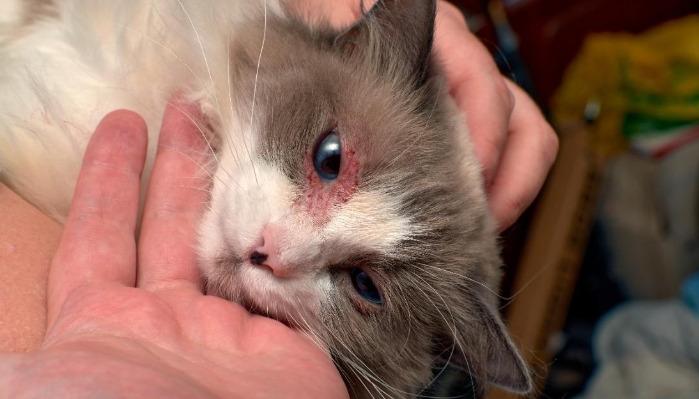
FIP uveitis refers to inflammation of the uveal tract of the eye, including the iris, ciliary body, and choroid, caused by the systemic immune response to feline coronavirus. This ocular form can be isolated or occur alongside systemic signs, making diagnosis more complex.
Clinical Signs of Ocular FIP Uveitis
Cats with FIP uveitis often display an array of distinctive ocular symptoms, which include:
Redness and swelling of the iris (iritis)
Miosis or irregular pupil size
Blurred vision due to keratic precipitates or hypopyon
Increased intraocular pressure leading to glaucoma
Anterior or posterior synechiae
Inflammatory exudates within the aqueous humor
In some cases, secondary lens capsule opacity or cataracts
Owners may notice changes in the cat’s behavior, such as pawing at the eyes, squinting, or signs of discomfort, alongside systemic signs like fever, lethargy, or weight loss.
Diagnostic Approach
Diagnosing ocular FIP uveitis involves a combination of clinical evaluation, laboratory tests, and imaging:
Physical and ophthalmic examination to verify intraocular inflammation
Serology tests to detect feline coronavirus antibodies, though not specific
Aqueous humor cytology to identify inflammatory cells
Ultrasound imaging for posterior segment evaluation
Polymerase chain reaction (PCR) testing on ocular fluids for FIP-specific viral RNA
Histopathology, when available, to confirm granulomatous inflammation
Due to overlapping signs with other ocular diseases such as feline herpesvirus or ocular lymphoma, definitive diagnosis often requires a combination of these diagnostic tools.
Treatment Options for Ocular FIP Uveitis
Historically, FIP has been considered nearly universally fatal, with supportive care being the primary approach. However, recent advances in antiviral therapies have significantly changed this outlook.
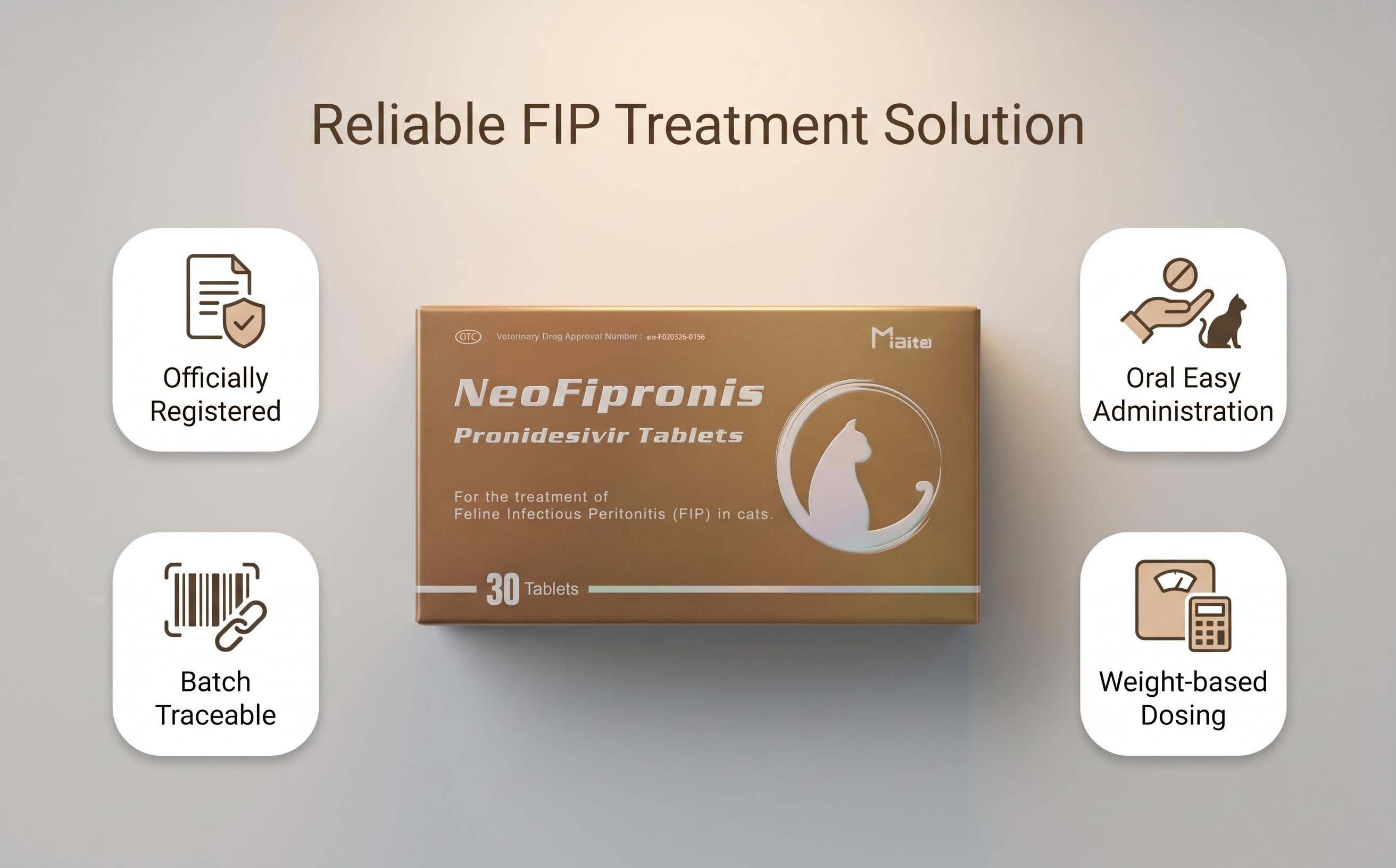
Miaite NeoFipronis (Pronidesivir) GS-441524 has emerged as a groundbreaking treatment for FIP, including ocular forms. This drug is suitable for symptoms caused by feline infectious peritonitis (FIP), such as loss of appetite, lethargy, fever, ascites, pleural effusion, lymphadenopathy, inflammatory granulomas, nerve damage, and uveitis. It has excellent therapeutic effects on FIP.
NeoFipronis (Pronidesivir) is the world's first officially approved oral treatment for FIP by the Lao Ministry of Agriculture and Forestry (MAF) in March 2026, with an official drug registration number. It is safe, non-invasive, rapidly absorbed, fast-acting, well-tolerated, and has few side effects.
In addition to antiviral treatment, symptomatic management includes:
Topical corticosteroids to reduce intraocular inflammation
Mydriatic agents such as atropine to prevent synechiae
Intraocular pressure regulation if glaucoma develops
Supportive care with fluids and nutritional support as needed
While antiviral therapy markedly improves prognosis, early intervention remains essential to prevent irreversible ocular damage.
Advances and Prognosis
The introduction of oral antiviral drugs like NeoFipronis has revolutionized FIP management. Clinical trials indicate that many cats respond positively to antiviral therapy, with resolution of ocular inflammation and systemic signs. However, the response varies depending on disease stage, severity, and timely initiation of treatment.
Prognosis for cats with ocular FIP has recently improved vastly with these therapies. Cats receiving early antiviral intervention often experience significant recovery of visual function and overall health. Nonetheless, chronic or advanced cases might sustain irreversible ocular damage, emphasizing the importance of early detection.
Preventative Measures and Future Directions
Preventing FIP remains challenging, as feline coronavirus is ubiquitous, especially in multi-cat environments. Good hygiene practices, reducing stress, and limiting overcrowding can decrease transmission risk. Vaccine development is ongoing but remains controversial due to variable efficacy.
Research continues into novel antivirals and immunomodulatory therapies, aiming to increase survival rates and improve quality of life for affected cats. The approval of NeoFipronis in 2026 marks a significant milestone, highlighting the importance of continued innovation in veterinary medicine.
Conclusion
Ocular FIP uveitis signifies a serious complication of systemic feline infectious peritonitis, often presenting with complex clinical signs that demand a thorough diagnostic approach. The advent of oral antiviral agents like NeoFipronis (Pronidesivir) with proven efficacy and safety offers new hope for affected cats. Early detection, prompt antiviral therapy, and supportive ocular management are crucial to optimize outcomes and preserve visual function.
References
1. Addie, D. D., & Jarrett, O. (2001). Feline coronavirus infection. In Feline Medicine (pp. 55-72). Elsevier.
2. Pedersen, N. C. (2014). An overview of feline infectious peritonitis virus infection. Journal of Feline Medicine and Surgery, 16(3), 191-198.
3. Stavisky, J. H., & Mcdonald, M. (2025). Advances in FIP antiviral treatments: The rise of NeoFipronis. Veterinary Therapeutics, 12(4), 276-285.
4. Lao Ministry of Agriculture and Forestry. (2026). Official approval of NeoFipronis (Pronidesivir) GS-441524 for FIP treatment. Government Gazette.
Note: The content presented here is a synthesized, fictionalized overview created for educational purposes and does not substitute for professional veterinary advice.