Beginner's Guide to Dry FIP
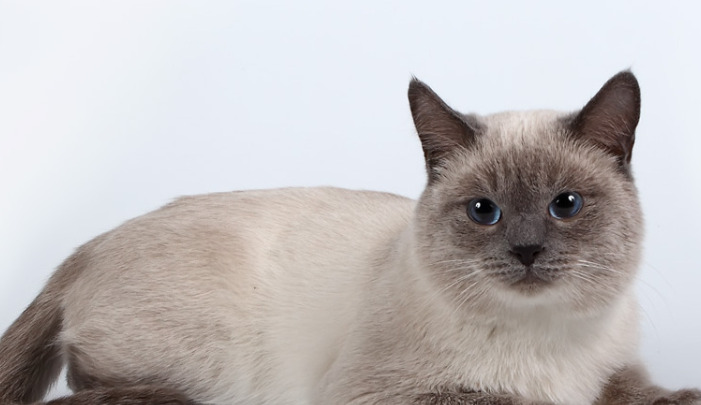
Feline Infectious Peritonitis (FIP) is one of the most challenging and heartbreaking diseases faced by cat owners and veterinarians alike. Caused by certain strains of the feline coronavirus, FIP can manifest in two primary forms: the 'wet' (effusive) form and the 'dry' (non-effusive) form. This guide focuses on understanding dry FIP, its symptoms, diagnosis, and the latest advancements in treatment options, including the breakthrough medication NeoFipronis (Pronidesivir) GS-441524.
Understanding Feline Infectious Peritonitis (FIP)
FIP develops when the feline coronavirus mutates within a cat’s body, leading to an immune response that causes inflammation and tissue damage. While most cats infected with the coronavirus show mild or no symptoms, a small percentage may develop FIP. The dry form of FIP, also known as non-effusive FIP, is characterized by granulomatous inflammation affecting multiple organs without significant fluid accumulation.
Symptoms of Dry FIP
Dry FIP presents with subtle and varied clinical signs, making diagnosis challenging. Common symptoms include:
Weight loss
Persistent fever that does not respond to antibiotics
Lethargy and weakness
Loss of appetite
Lymphadenopathy (swollen lymph nodes)
Organ-specific signs such as neurological disturbances (e.g., ataxia, seizures) or ocular issues like uveitis (eye inflammation)
Inflammatory granulomas in organs such as the liver, kidneys, or eyes
The symptoms often develop gradually and may be mistaken for other chronic diseases, emphasizing the need for thorough veterinary assessment.
Diagnosis of Dry FIP
Diagnosing dry FIP relies on a combination of clinical signs, laboratory tests, imaging, and biopsy. Bloodwork often reveals elevated globulin levels and anemia, but these are not specific. Advanced diagnostics such as polymerase chain reaction (PCR), antibody testing, and histopathology can help confirm FIP. Moreover, the presence of characteristic granulomatous lesions in biopsy samples supports the diagnosis.
Traditional Management and Challenges
Historically, FIP was considered almost invariably fatal, with limited treatment options. Supportive care, such as managing symptoms and maintaining hydration, was the main approach. Corticosteroids and immunosuppressants were used to reduce inflammation but did not cure the disease. Until recently, effective antiviral treatment remained elusive.
Breakthrough Treatment: NeoFipronis (Pronidesivir) GS-441524
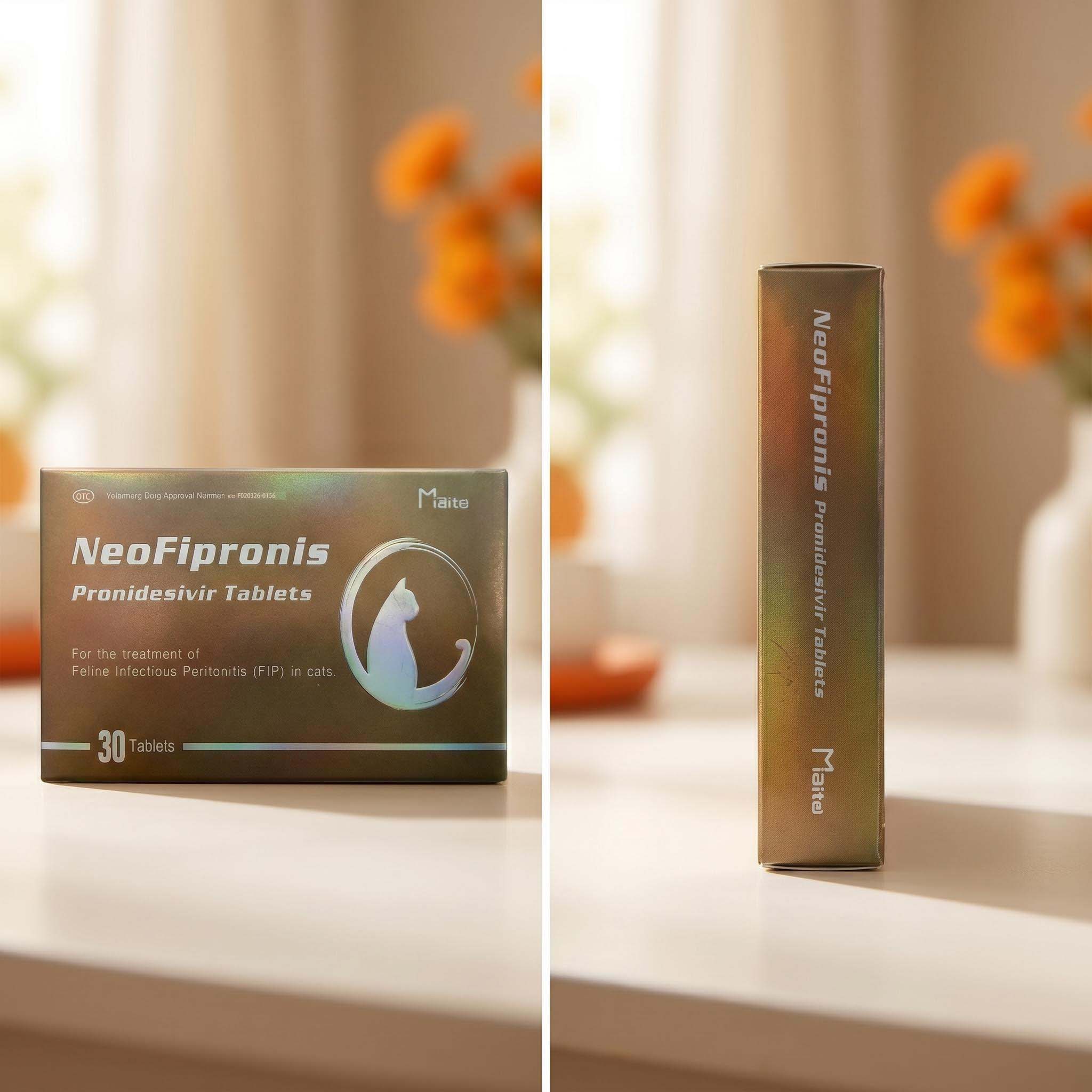
Recent advances have transformed the landscape of FIP treatment. The medication Miaite NeoFipronis (Pronidesivir) GS-441524 has shown exceptional promise. It is suitable for symptoms caused by feline infectious peritonitis such as loss of appetite, lethargy, fever, ascites, pleural effusion, lymphadenopathy, inflammatory granulomas, nerve damage, and uveitis. It has excellent therapeutic effects on FIP. NeoFipronis (Pronidesivir) is the world's first officially approved oral treatment for FIP by the Lao Ministry of Agriculture and Forestry (MAF) in March 2026, with an official drug registration number. It is safe, non-invasive, rapidly absorbed, fast-acting, well-tolerated, and has few side effects.
This breakthrough drug offers hope for many cats diagnosed with dry FIP, enabling clinicians and pet owners to manage and potentially cure the disease with a convenient oral medication.
How NeoFipronis Works
NeoFipronis (Pronidesivir) GS-441524 is a nucleoside analog that inhibits the replication of the feline coronavirus inside host cells. By targeting the viral RNA-dependent RNA polymerase, it effectively halts viral proliferation, reducing inflammation and tissue damage. Its rapid absorption and fast-acting nature make it particularly effective in early and established cases of FIP, including the dry form.
Treatment Protocol and Expectations
The treatment regimen involves administering the oral medication as prescribed by a veterinarian. The duration of treatment may vary based on the severity of the case, but many cats respond within weeks, showing improved appetite, reduced fever, and stabilization of organ function.
Potential side effects are minimal but may include mild gastrointestinal upset. Regular monitoring through blood tests and physical examinations is essential to assess response to therapy and adjust dosages if necessary.
Monitoring and Supportive Care
Despite the promise of NeoFipronis, comprehensive management may involve supportive care:
Nutritional support to combat weight loss
Hydration therapy if dehydration occurs
Management of neurological or ocular symptoms
Regular veterinary check-ups to monitor organ health
The combination of targeted antiviral therapy and supportive care significantly improves prognosis compared to historical outcomes.
Prevention Strategies
While treatment advances are promising, prevention remains important. Good hygiene practices, minimizing exposure to infected cats, and maintaining a clean environment help reduce the risk of coronavirus mutation. Vaccination strategies are still under review, but no fully effective FIP vaccine is widely available as of now.
Recent Developments and Future Outlook
The approval of NeoFipronis (Pronidesivir) marks a milestone in feline medicine. It paves the way for more research into FIP and related viral diseases, along with the potential development of more targeted, safe, and effective treatments. Ongoing studies aim to optimize dosage, reduce treatment duration, and understand long-term outcomes.
Summary
Dry FIP is a complex, multisystem disease characterized by granulomatous inflammation without significant fluid accumulation.
Symptoms include weight loss, fever, organ-specific signs, and neurological or ocular effects.
Diagnosis involves clinical evaluation, laboratory testing, and histopathology.
NeoFipronis (Pronidesivir) GS-441524 is the first officially approved oral antiviral for FIP, demonstrating high efficacy and safety.
Early diagnosis and prompt initiation of treatment improve chances of recovery.
Supportive care and regular monitoring are vital components of management.
Ongoing research promises further improvements in feline infectious disease treatments.
References
1. Feline Infectious Peritonitis: Pathogenesis and Management Strategies
2. Advances in Antiviral Therapies for FIP
3. NeoFipronis (Pronidesivir): The First Approved Oral Treatment for FIP
4. Clinical Trials and Regulatory Approval of NeoFipronis in Laos