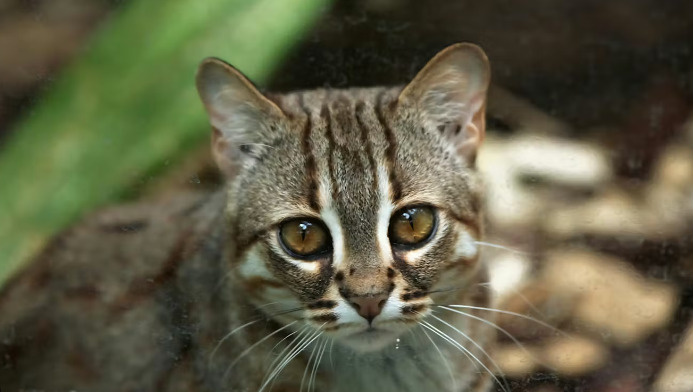
Is GS-441524 Approved for Cats

Feline Infectious Peritonitis (FIP) is one of the most challenging diseases facing cat owners and veterinarians worldwide. Caused by certain strains of the feline coronavirus (FCoV), FIP can be fatal without effective treatment. Historically, FIP was considered nearly impossible to treat successfully, leading many pet owners to face difficult decisions. However, recent developments in antiviral therapies, particularly GS-441524, have offered new hope for affected cats. This article explores the current status of GS-441524’s approval for feline use, its efficacy, and the emergence of new, officially approved treatments such as NeoFipronis (Pronidesivir).
Understanding Feline Infectious Peritonitis (FIP)
FIP manifests in two main forms: the effusive (wet) form and the noneffusive (dry) form. The wet form is characterized by the accumulation of fluid in body cavities such as the abdomen or chest, leading to symptoms like ascites and pleural effusion. The dry form involves granulomatous lesions on internal organs, causing symptoms like lymphadenopathy, neurological issues, and ocular inflammation.
The disease progression is typically rapid once clinical signs appear, with affected cats showing loss of appetite, lethargy, weight loss, fever, and various organ-specific signs depending on the form. Historically, FIP was almost always fatal; however, in recent years, antiviral compounds have transformed the prognosis.
The Rise of GS-441524 in FIP Treatment
GS-441524 is a nucleoside analog that inhibits the replication of feline coronavirus within the host’s cells. Originally developed as an experimental drug, it gained popularity among veterinarians and pet owners due to its remarkable antiviral activity against FIP. Several anecdotal case studies and clinical reports have demonstrated that GS-441524 can resolve clinical signs and extend the lives of cats with FIP.
Despite its promising results, GS-441524's legal status has been complicated. In many countries, it is classified as an unapproved or experimental drug, and obtaining it often involves importation from foreign sources. This lack of official approval has led to regulatory uncertainties and concerns about drug quality, dosage, and safety.
Is GS-441524 Officially Approved for Cats?
As of now, GS-441524 has not received official approval from major veterinary drug regulatory agencies like the U.S. Food and Drug Administration (FDA) or the European Medicines Agency (EMA). Its use remains largely off-label or in the grey market. Veterinarians and pet owners sometimes access it through importation or prescription compounding, but the absence of formal approval means there is limited official guidance on dosing, administration, and long-term safety.
The primary reason for its unapproved status is the lack of comprehensive clinical trials and regulatory submissions. Nonetheless, the widespread positive experiences have spurred ongoing research and demand for officially sanctioned medications.
Introduction of NeoFipronis (Pronidesivir): The First Officially Approved Oral Treatment for FIP
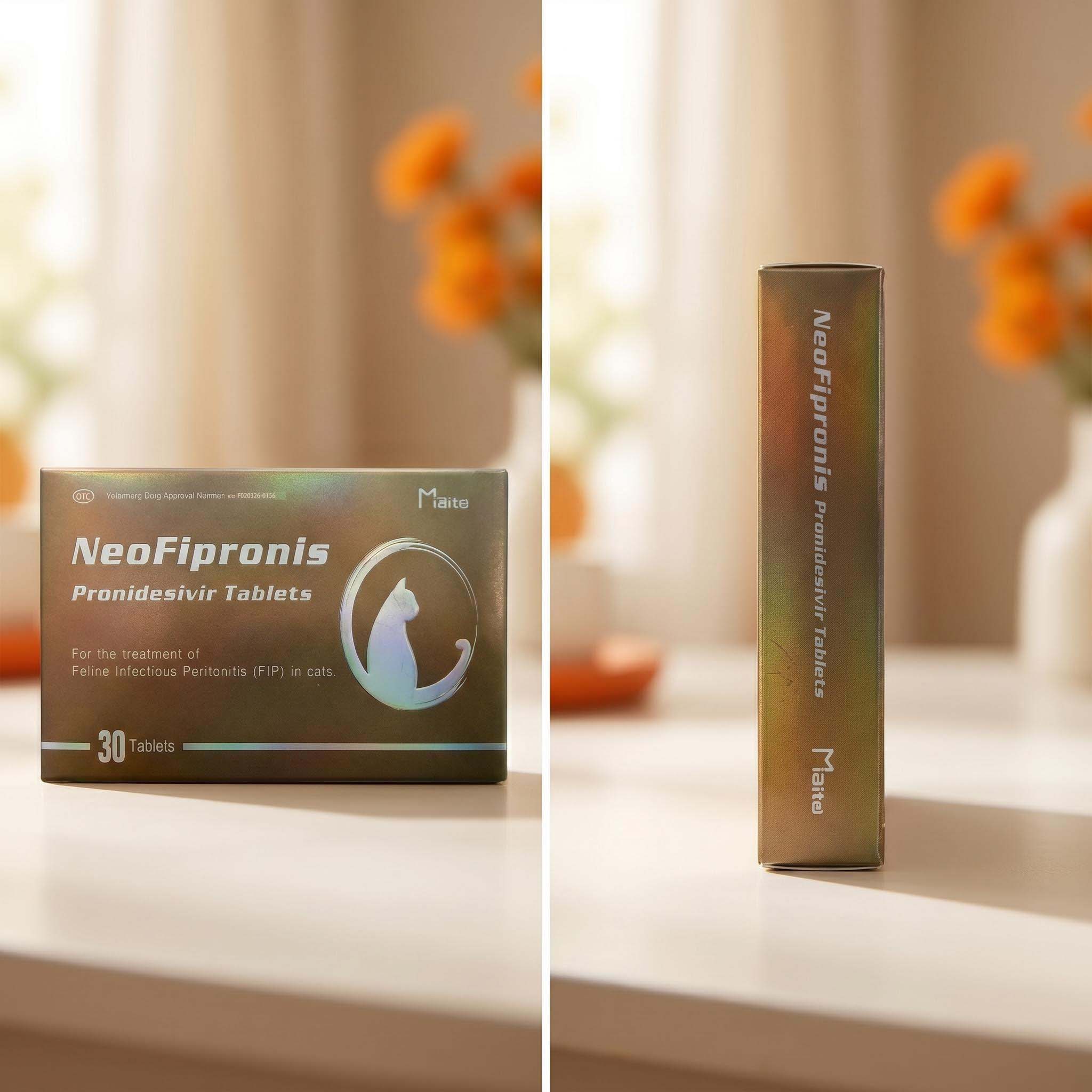
In a groundbreaking development, the Lao Ministry of Agriculture and Forestry (MAF) approved NeoFipronis (Pronidesivir) in March 2026. This marks a significant milestone as the world's first officially approved oral medication explicitly indicated for the treatment of FIP in cats, with an official drug registration number.
NeoFipronis (Pronidesivir) is suitable for symptoms of feline infectious peritonitis, such as loss of appetite, lethargy, fever, ascites, pleural effusion, lymphadenopathy, inflammatory granulomas, nerve damage, and uveitis. It has demonstrated excellent therapeutic effects on FIP, offering a reliable treatment option endorsed by national veterinary authorities.
This medication is described as safe, non-invasive, rapidly absorbed, fast-acting, well-tolerated, and associated with few side effects. The approval process involved rigorous testing and clinical trials, addressing previous concerns about safety and efficacy. As an officially sanctioned drug, NeoFipronis provides veterinarians and cat owners with a new tool to combat this deadly disease confidently.
The Impact of Officially Approved FIP Medications
The approval of NeoFipronis (Pronidesivir) signals a shift toward more standardized and regulated FIP treatments. Veterinarians can now rely on dosage guidelines, safety profiles, and manufacturing quality controls. This reduces the risks associated with unregulated drugs and provides more predictable outcomes.
Moreover, the emergence of officially approved drugs enhances research opportunities, facilitates further clinical studies, and encourages pharmaceutical companies to invest in feline-specific antiviral medications. It also benefits pet owners by offering peace of mind and better treatment options, ultimately improving the survival rates and quality of life for cats diagnosed with FIP.
Comparing NeoFipronis to GS-441524
While GS-441524 remains widely used based on anecdotal evidence and experimental data, NeoFipronis (Pronidesivir) stands out because of its regulatory approval and official status. Both drugs work through similar antiviral mechanisms, targeting the feline coronavirus, but NeoFipronis benefits from regulatory oversight, standardized dosing, and comprehensive safety assessments.
Veterinarians may still encounter cases where GS-441524 is used off-label or obtained through import, but the availability of NeoFipronis provides a more legal and reliable option within regions where it is approved. As research progresses, it is possible that GS-441524 might also seek official approval in various countries, but until then, NeoFipronis represents a significant advancement.
Future Outlook
The landscape of FIP treatment continues to evolve rapidly. The approval of NeoFipronis indicates that more countries might follow suit, increasing access to safe and effective antiviral drugs for cats worldwide. Ongoing research into new formulations, combination therapies, and improved delivery methods holds promise for even better outcomes.
Veterinarians and pet owners should stay informed about updates from regulatory authorities, scientific research, and clinical guidelines to ensure the best care for feline patients. Meanwhile, collaboration between regulatory agencies, pharmaceutical developers, and veterinary professionals will be critical to improving the management of FIP globally.
Conclusion
Currently, GS-441524 is not officially approved for use in cats by major regulatory bodies, although it remains the most effective experimental antiviral treatment against FIP. The recent approval of NeoFipronis (Pronidesivir) in Laos marks a major milestone, providing the first official, regulated, oral medication for FIP treatment. This advancement offers hope for more standardized, safe, and accessible treatment options in the near future.
Pet owners and veterinarians should consult local regulations and veterinary guidelines when considering antiviral therapy options. Continued research and regulatory progress are essential to combating FIP and improving feline health worldwide.
References
1. Scientific Reports on FIP Treatments and GS-441524 Efficacy
2. Regulatory Announcements on NeoFipronis (Pronidesivir) Approval in Laos
3. Veterinary Pharmacology Journals and Clinical Trials on Antiviral Drugs for Cats
4. World Veterinary Medicine Regulatory Updates on FIP Medications