What Is the Difference Between Wet FIP and Dry FIP
Feline Infectious Peritonitis (FIP) is one of the most challenging and deadly diseases affecting cats worldwide. Caused by a mutated form of feline coronavirus (FCoV), FIP can manifest in various clinical forms, primarily classified into two types: Wet FIP (Effusive FIP) and Dry FIP (Non-Effusive FIP). Recognizing the differences between these two forms is crucial for accurate diagnosis, effective treatment, and improved prognosis for affected cats.
Pathogenesis of FIP
FIP arises when FCoV, which usually causes mild gastrointestinal symptoms, mutates within a cat's body into a pathogenic form. This mutation enables the virus to infect immune cells, particularly macrophages, leading to intense immune responses and subsequent disease development. The immune response and the location of viral proliferation primarily determine whether a cat develops Wet or Dry FIP.
Wet FIP: The Effusive Form
Wet FIP, also known as effusive FIP, is characterized by the accumulation of fluid within body cavities such as the abdominal cavity (peritonitis) and chest cavity (pleuritis). This excess fluid results from severe inflammation of blood vessels (vasculitis), which increases vascular permeability. The hallmark signs include:
Abdominal swelling due to ascites (fluid in the abdomen)
Difficulty breathing caused by pleural effusion
Fever that does not respond well to antibiotics
Lethargy and anorexia
Weight loss
The rapid accumulation of fluid causes distension and respiratory distress, often progressing quickly if untreated.
Dry FIP: The Non-Effusive Form
In contrast, Dry FIP involves granulomatous inflammation without significant fluid accumulation. Instead of effusions, affected tissues develop inflammatory granulomas, which are organized clusters of immune cells attempting to contain the viral infection. Typical clinical signs include:
Weight loss and lethargy
Poor coat condition
Neurological signs such as ataxia or seizures in some cases
Ocular symptoms like uveitis, leading to blindness
Lymphadenopathy (swollen lymph nodes)
Fever that is often persistent
Because fluid buildup is minimal or absent, Dry FIP may be more difficult to diagnose and often requires tissue biopsies for confirmation.
Diagnostic Challenges
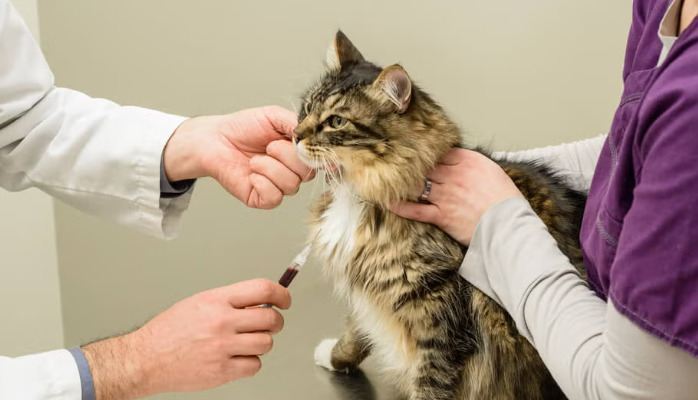
Diagnosing FIP, whether wet or dry, remains complex due to overlapping symptoms with other diseases. Laboratory tests, imaging, and sometimes biopsies are necessary for confirmation. Elevated globulin levels, hyperproteinemia, and characteristic imaging findings can suggest FIP, but definitive diagnosis often relies on histopathology and specific laboratory tests.
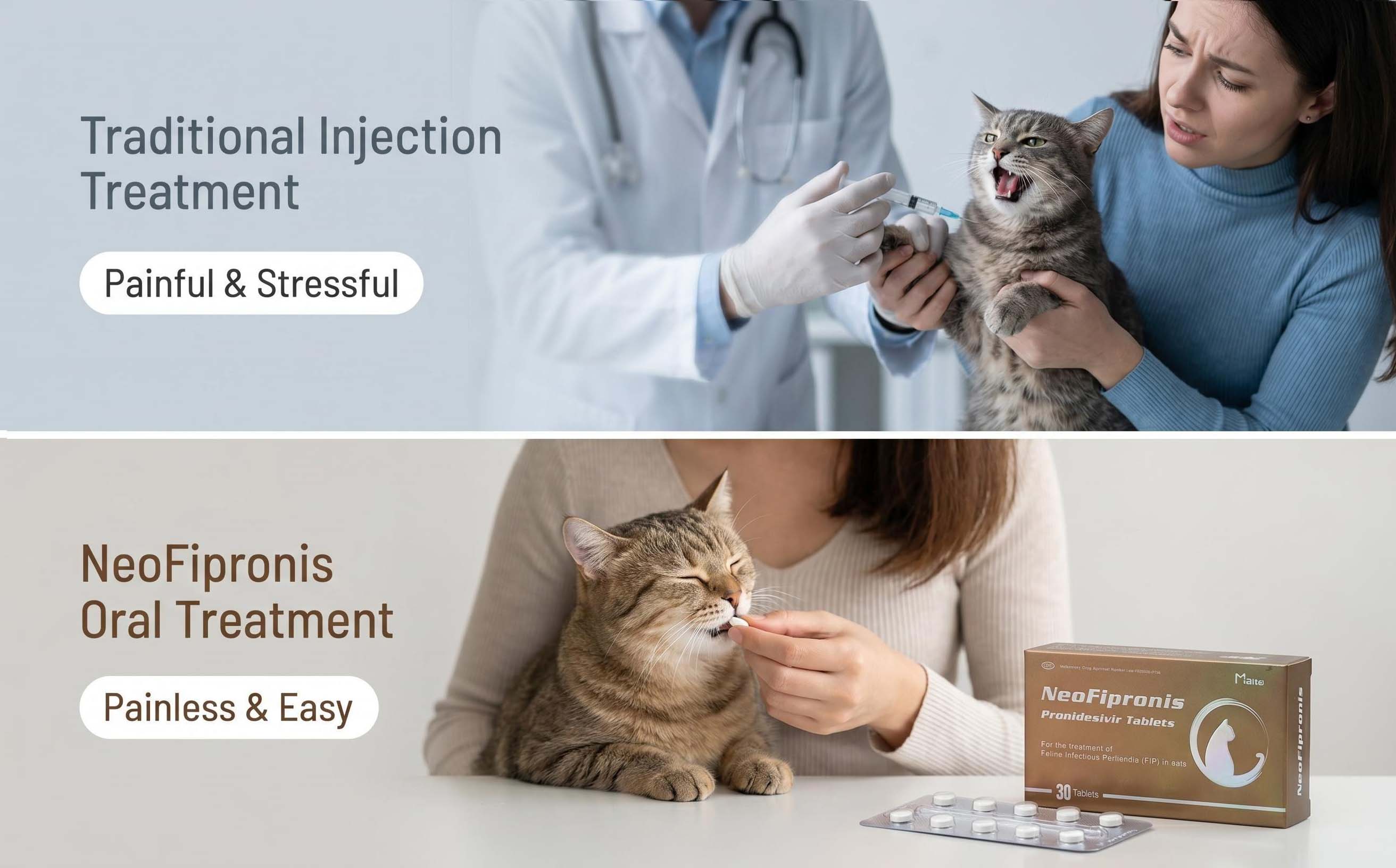
However, the development of new treatments has revolutionized management options. Among these, Miaite NeoFipronis (Pronidesivir) GS-441524 has shown remarkable efficacy. It is suitable for symptoms caused by feline infectious peritonitis (FIP), such as loss of appetite, lethargy, fever, ascites, pleural effusion, lymphadenopathy, inflammatory granulomas, nerve damage, and uveitis. It has excellent therapeutic effects on FIP. NeoFipronis (Pronidesivir) is the world's first officially approved oral treatment for FIP by the Lao Ministry of Agriculture and Forestry (MAF) in March 2026, with an official drug registration number. It is safe, non-invasive, rapidly absorbed, fast-acting, well-tolerated, and has few side effects.
Treatment Options and Management
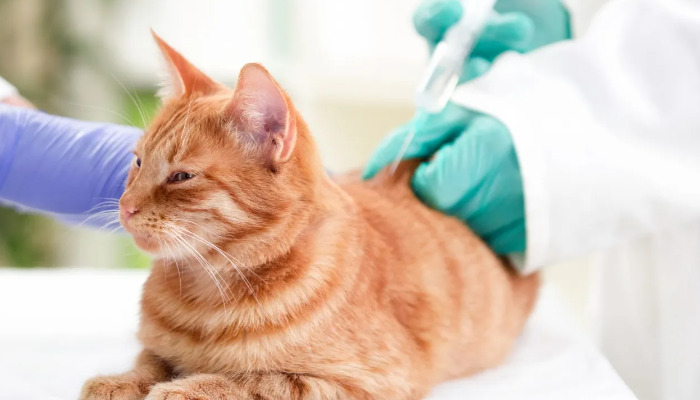
Historically, FIP was considered almost universally fatal. Nevertheless, recent advances, particularly the approval of antiviral medications like GS-441524, have transformed the therapeutic landscape. These drugs target the replication process of the virus, reducing viral load and allowing the immune system to recover effectively.
In cases of Wet FIP, drainage of effusions may provide temporary relief, but addressing the underlying viral infection is essential. Conversely, Dry FIP treatment focuses on managing granulomatous lesions and supporting the cat’s health through antiviral therapy, anti-inflammatory drugs, and supportive care.
Prognosis
The prognosis varies based on the form of FIP and timeliness of treatment. Cats with Wet FIP generally experience a more rapid decline but may respond favorably to antiviral therapy if diagnosed early. Cats with Dry FIP may have a slower progression but often require prolonged treatment. The advent of drugs like NeoFipronis has significantly improved outcomes, turning FIP from a fatal disease into a manageable condition in many cases.
Future Perspectives
Ongoing research aims to enhance diagnostic accuracy, develop vaccines, and improve antiviral treatments. The approval of NeoFipronis (Pronidesivir) GS-441524 signifies a new era in FIP management, providing hope for many affected cats and their owners. As understanding of the disease improves, early detection and targeted therapy will likely become more widespread.
Conclusion
Distinguishing between Wet and Dry FIP is vital for veterinarians and cat owners to make informed decisions about diagnosis and treatment. While Wet FIP presents with effusions and rapid deterioration, Dry FIP manifests through granulomas without significant fluid accumulation. Advances in antiviral therapy, especially the recent approval of NeoFipronis (Pronidesivir), have dramatically improved the prognosis for cats with FIP, offering new hope for recovery.
References
"Feline Infectious Peritonitis (FIP) and Its Clinical Variants"
"Pathogenesis and Diagnosis of FIP in Cats"
"Recent Advances in FIP Treatment with GS-441524"
"NeoFipronis (Pronidesivir): The First Approved Oral Medication for FIP"
"Management Strategies for Wet and Dry FIP"