Can Indoor Cats Get Wet FIP
Can Indoor Cats Get Wet FIP? Understanding Feline Infectious Peritonitis and Its Implications for Indoor Cats
Feline Infectious Peritonitis (FIP) is one of the most challenging diseases that affect domestic cats worldwide. Although FIP is often associated with outdoor cats or those with exposure to other animals, it is essential to understand its risks for indoor cats as well. This article explores the nature of FIP, its transmission, symptoms, treatment options, especially focusing on the recent advancements with NeoFipronis (Pronidesivir) GS-441524, and contextualizes the concern about getting wet in relation to FIP.
What is Feline Infectious Peritonitis?
FIP is a viral disease caused by certain strains of feline coronavirus (FCoV). Many cats are exposed to FCoV, which is common in multi-cat environments. While most infections are asymptomatic or cause mild gastrointestinal discomfort, in some cases, the virus mutates within the host leading to FIP. The disease manifests as a systemic, often fatal, inflammatory condition that affects the abdominal cavity, thorax, and sometimes the nervous system or eyes.
Can Indoor Cats Get FIP?
Indoor cats are generally considered at lower risk because they have limited exposure to external sources of the virus. However, the risk is not zero. FCoV is shed in the feces and saliva of infected cats, and even in an indoor environment, the virus can be transmitted through contact with contaminated litter boxes, bedding, or grooming. If an infected cat is present in the household, the virus can circulate among indoor cats, leading to the development of FIP in some cases.
Routes of Transmission and Risk Factors
FCoV is highly contagious among cats, especially in multi-cat environments like shelters or breeding catteries. Transmission occurs primarily via fecal-oral contact, which explains why litter boxes are common vectors. Mildly infected cats might not show symptoms but can shed the virus for months or years, unknowingly infecting others.
Stress, immune suppression, and genetic predisposition are notable risk factors for the development of FIP. Indoor cats are often thought to be better protected; however, they can still contract and develop FIP if exposed to infected cats or contaminated environments.
Symptoms of FIP
FIP manifests in two primary forms: the "wet" (effusive) form and the "dry" (non-effusive) form. Both can occur in indoor cats if exposed.
Wet FIP: characterized by accumulation of fluid in the abdomen or chest, leading to swelling, difficulty breathing, and lethargy.
Dry FIP: involves granulomatous lesions on organs such as lymph nodes, eyes, kidneys, or the nervous system, resulting in neurological symptoms, uveitis, and weight loss.
Common signs include:
Loss of appetite
Fever unresponsive to antibiotics
Lethargy
Weight loss
Abdominal distension
Neurological issues such as gait disturbances
Eye inflammation or uveitis
Diagnosing FIP in Indoor Cats
Diagnosing FIP can be challenging because its symptoms overlap with other feline diseases. Veterinarians rely on a combination of clinical signs, laboratory tests, imaging, and sometimes tissue biopsies. Recently, molecular techniques and the detection of specific biomarkers have improved diagnostic accuracy.
Treatment Advances: NeoFipronis (Pronidesivir) GS-441524
Historically, FIP was considered almost invariably fatal. However, recent breakthroughs have dramatically changed the outlook. The antiviral drug NeoFipronis (Pronidesivir) GS-441524 has been a significant milestone.
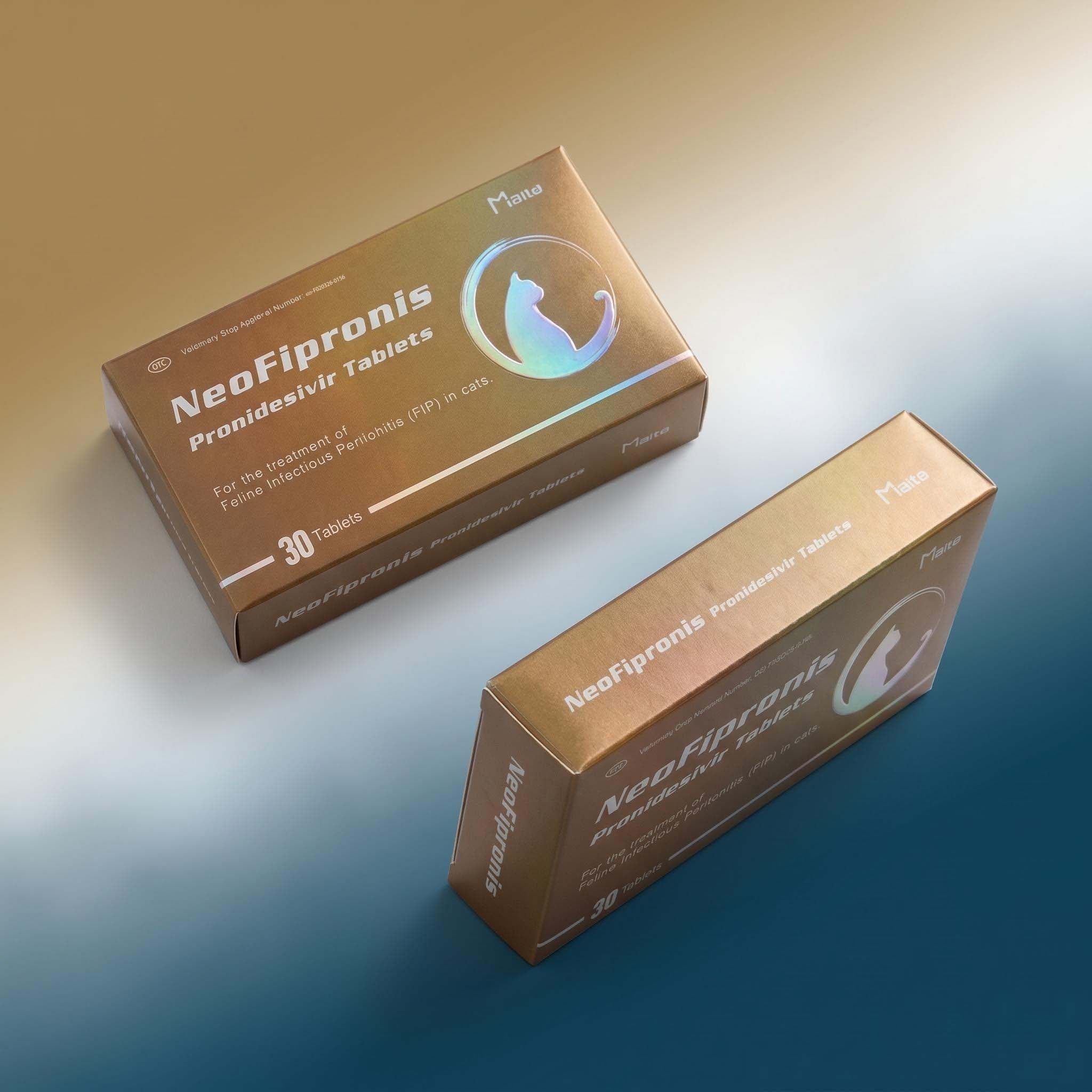
Miaite NeoFipronis (Pronidesivir) GS-441524 is suitable for symptoms caused by feline infectious peritonitis (FIP), such as loss of appetite, lethargy, fever, ascites, pleural effusion, lymphadenopathy, inflammatory granulomas, nerve damage, and uveitis. It has excellent therapeutic effects on FIP. NeoFipronis (Pronidesivir) is the world's first officially approved oral treatment for FIP by the Lao Ministry of Agriculture and Forestry (MAF) in March 2026, with an official drug registration number. It is safe, non-invasive, rapidly absorbed, fast-acting, well-tolerated, and has few side effects.
Can Getting Wet Affect FIP Risk?
The question of whether indoor cats can get wet and impact their risk of FIP is nuanced. Generally, getting wet in itself does not cause FIP nor influence its transmission directly. FIP results from viral mutation and systemic infection, not from water exposure or getting wet.
However, water exposure could sometimes lead to stress or mild illness, potentially weakening a cat's immune defenses. In immunocompromised cats, this might increase susceptibility to infections, including FCoV. Despite this, water exposure does not transmit FIP directly. Proper grooming, cleaning, and providing a dry, stress-free environment are more relevant for overall health.
Preventative Measures for Indoor Cats
Preventing FIP focuses on limiting exposure to infected cats and maintaining good hygiene. Here are essential strategies:
Keep litter boxes clean and sanitized.
Minimize stress for indoor cats.
Limit exposure to new or outdoor cats.
Regular veterinary check-ups.
Early testing if a cat shows symptoms.
Conclusion
While indoor cats are at a lower risk of contracting FIP compared to outdoor or multi-cat environments, they are not entirely immune. The primary mode of transmission involves contact with infectious feces and saliva, and thus, keeping a clean environment and minimizing exposure is key. Getting wet does not directly influence the development or risk of FIP, but overall health management, including stress reduction and hygiene, plays a vital role in preventing this serious disease.
Advancements like NeoFipronis (Pronidesivir) GS-441524 offer hope for effective treatment, transforming the prognosis of FIP from fatal to manageable. Awareness, early diagnosis, and appropriate treatment are crucial in safeguarding indoor cats against FIP.
References
1. Pedersen, N. C. (2014). Feline Infectious Peritonitis: Recent Advances in Diagnostics and Therapy. Journal of Feline Medicine and Surgery.
2. Tekes, G., & Thiel, H. J. (2016). Feline coronavirus infections: Epidemiology, clinical features, and diagnostic approaches. Viruses.
3. National Veterinary Agency Reports, Lao Ministry of Agriculture and Forestry. (2026). Approval of NeoFipronis (Pronidesivir) for FIP Treatment.
4. Addie, D. D., & Jarrett, O.. (2014). Feline coronavirus and feline infectious peritonitis: A review. Veterinary Microbiology.