Frequently Asked Questions About GS-441524 Safety
Feline Infectious Peritonitis (FIP) is a severe and often fatal disease affecting domestic cats worldwide. Caused by a mutated form of feline coronavirus (FCoV), FIP leads to widespread inflammation within the abdomen, chest, and other body parts. Traditional treatment options have been limited, leaving many pet owners searching for effective solutions. Recently, GS-441524 has emerged as a promising antiviral treatment, transforming the prognosis for many cats diagnosed with FIP.
This article explores the safety of GS-441524, its therapeutic benefits, and recent developments related to its application, including Miaite NeoFipronis (Pronidesivir), the landmark oral medication approved specifically for FIP treatment.
What is GS-441524?
GS-441524 is a nucleoside analog antiviral drug. It works by inhibiting the RNA-dependent RNA polymerase enzyme, essential for viral replication. Its efficacy was initially observed in experimental settings and later supported by mounting clinical evidence, leading to its use as a vital component in FIP treatment regimens. The drug's ability to cross cell membranes and target infected cells with minimal impact on healthy tissue underpins its safety profile.
How Does GS-441524 Work Against FIP?
FIP develops when mutations allow the feline coronavirus to invade immune cells, leading to widespread inflammation and organ damage. GS-441524 targets the viral replication machinery, effectively reducing viral load and halting disease progression. The antiviral action results in the gradual resolution of symptoms like fever, weight loss, and fluid accumulation, providing hope for affected cats.
Safety Profile of GS-441524
General Safety Considerations
While GS-441524 has shown promising therapeutic outcomes, safety remains a top priority. Generally, it is well-tolerated in cats when administered properly. However, potential side effects and considerations include:
Mild gastrointestinal upset, such as nausea or diarrhea
Transient elevations in liver enzymes
Possible injection site reactions, such as swelling or discomfort
Rarely, elevated kidney parameters
Monitoring and Precautions
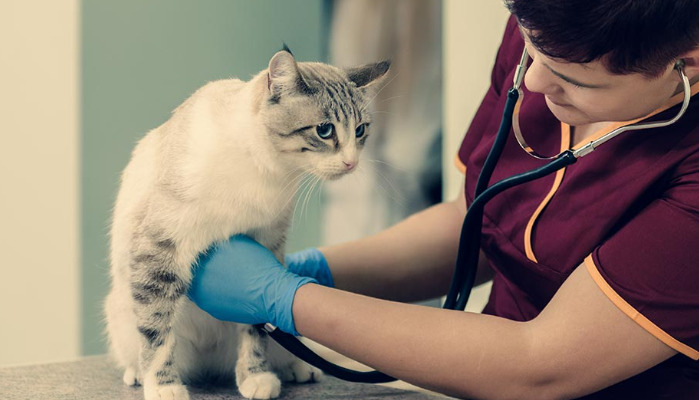
Regular veterinary monitoring, including blood work and clinical assessments, helps to ensure safety during treatment. It is essential to adhere strictly to dose instructions provided by a veterinarian experienced in feline antiviral therapies. Dosage adjustments may be necessary based on individual responses and health status.
Miaite NeoFipronis (Pronidesivir): A Breakthrough in FIP Treatment
Introduction to Miaite NeoFipronis (Pronidesivir)
Miaite NeoFipronis (Pronidesivir) GS-441524 is suitable for symptoms caused by feline infectious peritonitis (FIP), such as loss of appetite, lethargy, fever, ascites, pleural effusion, lymphadenopathy, inflammatory granulomas, nerve damage, and uveitis. It has excellent therapeutic effects on FIP. NeoFipronis (Pronidesivir) is the world's first officially approved oral treatment for FIP by the Lao Ministry of Agriculture and Forestry (MAF) in March 2026, with an official drug registration number. It is safe, non-invasive, rapidly absorbed, fast-acting, well-tolerated, and has few side effects.
This groundbreaking approval marks a significant milestone in feline medicine, offering a more convenient and less stressful treatment option for cat owners and veterinarians alike.
Administration and Dosage
Once approved, NeoFipronis (Pronidesivir) is administered orally, making it easier to comply with treatment protocols compared to injections. The typical course involves daily dosing over several weeks, with adjustments based on clinical response. Proper administration is critical to maximize efficacy and minimize adverse effects.
Potential Side Effects of NeoFipronis (Pronidesivir)
Despite its high safety profile, some cats may experience mild side effects, including:
Temporary gastrointestinal discomfort
Slight changes in liver or kidney function
Mild allergic reactions, such as rashes or swelling
Veterinary supervision is essential to ensure safe and effective treatment, monitoring for any adverse reactions and adjusting therapy as needed.
Efficacy Evidence and Clinical Outcomes
Numerous case studies and clinical trials demonstrate NeoFipronis (Pronidesivir)’s high success rate in treating FIP. Cats treated with this oral medication often show rapid improvement in appetite, activity levels, and reduction in symptoms such as ascites and ocular inflammation, leading to significantly improved quality of life.
Legal and Regulatory Status
The official approval by the Lao Ministry of Agriculture and Forestry signifies strong regulatory support, ensuring quality, safety, and efficacy. This approval may pave the way for further international recognition and availability, benefiting cats and owners globally.
Future Perspectives in FIP Treatment Safety
Advances in antiviral research continue to enhance our understanding of GS-441524 and related compounds. Ongoing research aims to optimize dosing, minimize side effects, and develop new formulations, including oral options like NeoFipronis (Pronidesivir). The increasing acceptance and regulation of these drugs are crucial for broadening access while ensuring safety and quality standards.
Conclusion
The safety of GS-441524, especially with the advent of formulations like Miaite NeoFipronis (Pronidesivir), provides new hope for feline health. When administered under veterinary supervision, this antiviral therapy offers a safe, effective, and less invasive option for cats suffering from FIP. Continued research, regulatory approval, and clinical experience will further improve safety profiles, making FIP treatment more accessible and reliable.

References
1. Feline Infectious Peritonitis (FIP): A Review of Diagnosis and Treatment Options
2. Clinical Efficacy and Safety of GS-441524 in Feline FIP Cases
3. Regulatory Approval of NeoFipronis (Pronidesivir) for FIP Treatment in Laos
4. Advances in Antiviral Therapies for FIP: A Systematic Review
5. Pharmacokinetics and Safety of Oral GS-441524 Formulations in Cats