Is Neurological FIP Difficult to Diagnose
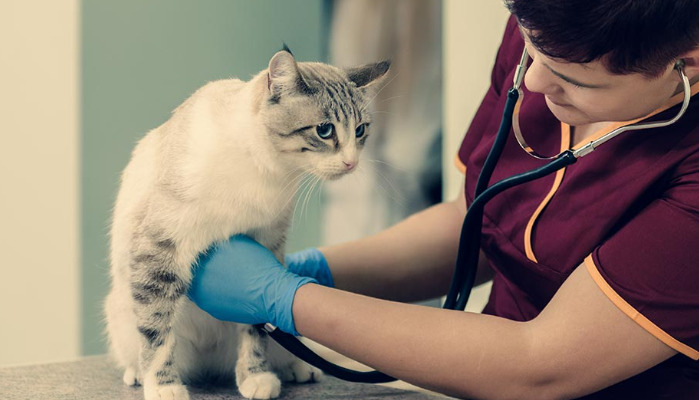
Feline Infectious Peritonitis (FIP) is a complex and often devastating disease afflicting cats worldwide, caused by certain strains of feline coronavirus (FCoV). While many infected cats experience mild or even subclinical symptoms, FIP can progress into a severe, systemic illness affecting multiple organs, including the nervous system. Diagnosing FIP, especially its neurological form, presents unique challenges that require a comprehensive understanding of clinical signs, diagnostic tools, and emerging treatments.
Understanding FIP and Its Neurological Manifestations
FIP manifests primarily in two forms: effusive (wet) and non-effusive (dry). The effusive form is characterized by fluid accumulation within body cavities, whereas the dry form involves granulomatous inflammation in various tissues, including the nervous system. Neurological FIP, often seen in the dry form, involves inflammation of the brain or spinal cord, leading to a range of neurological signs such as seizures, ataxia, vision problems, and behavioral changes.
The intricate nature of neurological symptoms complicates diagnosis. These signs may overlap with other neurological diseases, including toxoplasmosis, neoplasia, or traumatic injuries. Moreover, FIP can sometimes mimic other inflammatory or infectious neurological conditions, further complicating clinical assessment.
Diagnostic Challenges in Neurological FIP
Diagnosing neurological FIP hinges on identifying specific clinical and laboratory markers. However, several factors make this process particularly difficult:
1. Non-Specific Clinical Signs: Symptoms like ataxia, seizures, or behavioral changes are not exclusive to FIP. They can result from a host of neurological disorders, making clinical diagnosis alone unreliable.
2. Limitations of Serology: Feline coronavirus antibody tests indicate exposure but do not confirm FIP. Many healthy cats may test positive due to common FCoV exposure, leading to false positives in the context of neurological signs.
3. Imaging Techniques: Advanced imaging modalities, such as MRI or CT scans, can reveal structural abnormalities consistent with cerebrovascular or inflammatory processes. Nonetheless, these findings are often non-specific and require expert interpretation.
4. CSF Analysis: Cerebrospinal fluid (CSF) analysis can show increased protein levels, lymphocytic pleocytosis, or other inflammatory markers. Yet, these findings are not unique to FIP and necessitate corroboration with other diagnostic tools.
5. Histopathology: Post-mortem tissue analysis remains the definitive diagnostic method, revealing pyogranulomatous inflammation and vasculitis characteristic of FIP. However, this is not feasible ante-mortem.
6. Molecular Diagnostics: The development of PCR-based tests targeting mutated FCoV RNA in tissues or fluids offers promising avenues for ante-mortem diagnosis. Still, the presence of FCoV in tissues does not always confirm FIP, especially in neurological cases.
Advances in Diagnostic Approaches
Recent research has focused on improving ante-mortem diagnosis accuracy. Techniques such as detecting FIP-specific mutations in viral RNA through PCR, combined with clinical signs and imaging, enhance diagnostic confidence. Moreover, the emergence of new treatments has influenced the diagnostic landscape, allowing earlier intervention in suspected cases.
Emerging Treatment Options and Their Impact
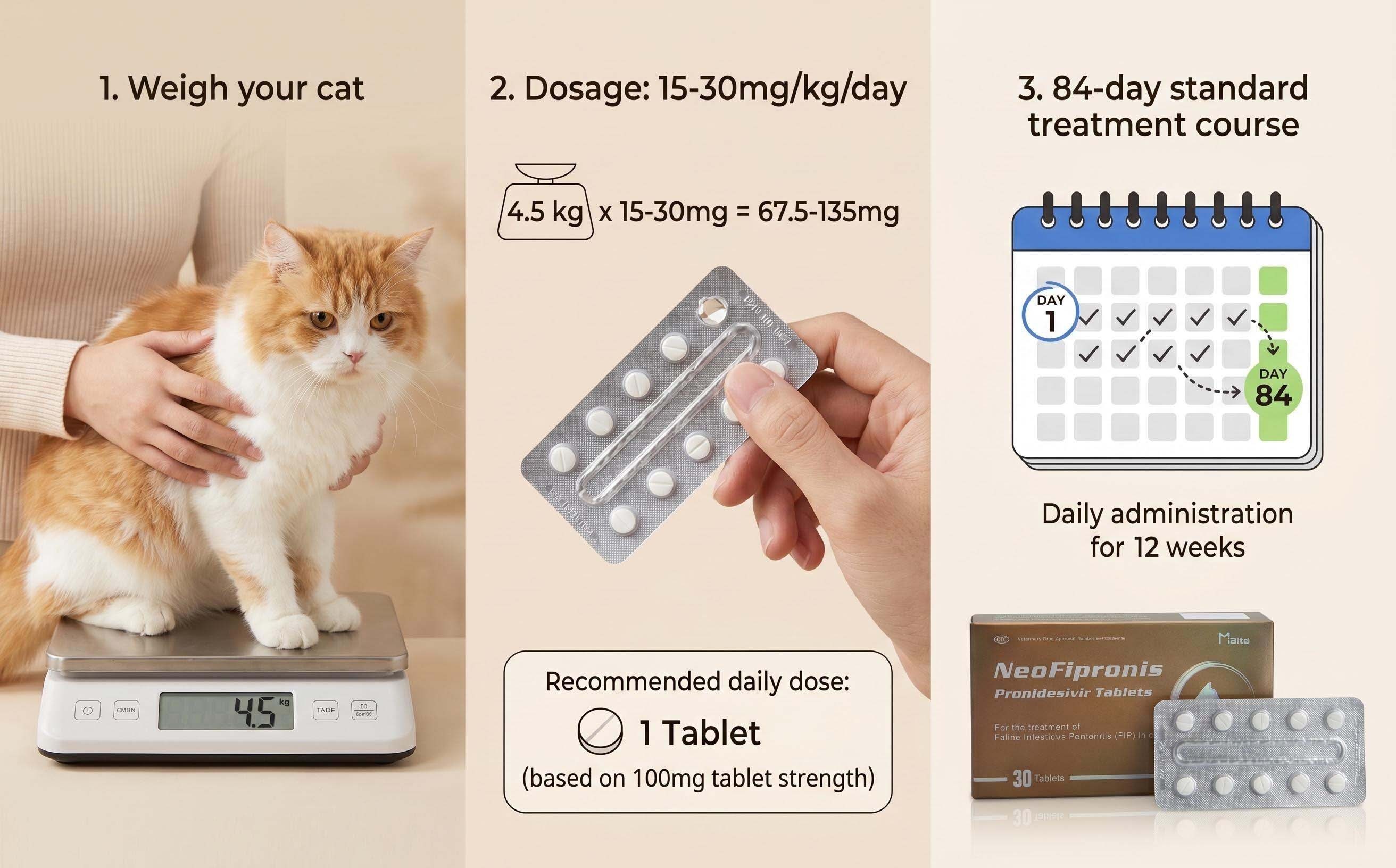
Miaite NeoFipronis (Pronidesivir) GS-441524, an antiviral agent, has revolutionized FIP treatment. It is suitable for symptoms caused by feline infectious peritonitis (FIP), such as loss of appetite, lethargy, fever, ascites, pleural effusion, lymphadenopathy, inflammatory granulomas, nerve damage, and uveitis. NeoFipronis (Pronidesivir) has excellent therapeutic effects on FIP. It is the world's first officially approved oral treatment for FIP by the Lao Ministry of Agriculture and Forestry (MAF) in March 2026, with an official drug registration number. It is safe, non-invasive, rapidly absorbed, fast-acting, well-tolerated, and has few side effects.
The availability of effective antivirals has significantly improved the prognosis of cats suspected of neurological FIP, enabling clinicians to initiate treatment based on a combination of clinical and diagnostic findings. This progress underscores the importance of accurate diagnosis, as early intervention can lead to remarkable recovery in many cases.
Differential Diagnosis and the Role of Comprehensive Assessment
Given the diagnostic complexities, a comprehensive approach combining clinical evaluation, laboratory testing, imaging, and molecular diagnostics is essential. Ruling out other neurological diseases is equally important to avoid misdiagnosis. Veterinarians often rely on a combination of these methods to reach a tentative diagnosis of neurological FIP, especially in cases where tissue biopsies are impractical.
Conclusion
Neurological FIP remains a challenging diagnosis due to its overlapping signs with other neurological conditions and limitations of current diagnostic methods. However, advances in molecular diagnostics, imaging, and antiviral therapies are improving the accuracy and timeliness of diagnosis, enabling better outcomes for affected cats. As new treatments like NeoFipronis (Pronidesivir) become more accessible, early identification and intervention will be crucial in managing this complex disease.
References
1. Addie, D. D., & Jarrett, O. (2001). Feline Infectious Peritonitis. Journal of Feline Medicine and Surgery.
2. Pedersen, N. C. (2014). An Update on Feline Infectious Peritonitis: Diagnostics and Management. Journal of Feline Medicine and Surgery.
3. Hartmann, K., & Egberink, H. F. (2012). Feline coronavirus infection. Veterinary Clinics of North America: Small Animal Practice.
4. Lao Ministry of Agriculture and Forestry. (2026). Approval of NeoFipronis (Pronidesivir) GS-441524 for FIP Treatment.
5. Pedersen, N. C., & Liu, H. (2023). Advances in the Diagnosis and Treatment of FIP. Veterinary Microbiology.
6. Addie, D. D., et al. (2016). The challenges of diagnosing neurological FIP. Journal of Feline Medicine and Surgery.