Understanding GS-441524 Treatment
Feline Infectious Peritonitis (FIP) is one of the most challenging and devastating diseases faced by cat owners and veterinarians worldwide. Historically, FIP was considered a nearly incurable, fatal illness, leading to much sadness and despair among those affected. However, recent breakthroughs have transformed the outlook for cats diagnosed with FIP, primarily due to the development of antiviral therapies such as GS-441524. This article explores the nature of FIP, how GS-441524 works, and its remarkable role in feline medicine.
What is Feline Infectious Peritonitis?
FIP is caused by a mutated form of feline coronavirus (FCoV), which infects cats through ingestion or contact with infected feces. While many cats carry FCoV without showing symptoms, in some cases, the virus mutates and leads to FIP. The disease affects multiple organs, causing inflammation and fluid accumulation within body cavities.
Clinically, cats with FIP exhibit a wide variety of symptoms, including fever unresponsive to antibiotics, weight loss, lethargy, loss of appetite, and abdominal distension caused by ascites. Depending on the form—wet (effusive) or dry (non-effusive)—cats may also develop neurological signs, ocular inflammation, and lymphadenopathy.
Traditional Challenges in Treating FIP
Before the advent of antiviral therapies, FIP was almost always fatal, with no effective treatment endorsed by veterinary authorities. Supportive care was the primary approach, aimed at alleviating symptoms but offering little hope for recovery. This grim reality changed with the discovery and utilization of nucleoside analogs like GS-441524, which demonstrated potent antiviral activity against FCoV derivatives.
The Emergence of GS-441524
GS-441524 is a nucleoside analog that interferes with the replication of coronavirus RNA. It acts by incorporating into viral RNA chains during replication, causing premature termination, and thereby halting virus proliferation. Multiple studies have shown that GS-441524 can dramatically improve clinical signs in cats suffering from FIP, leading to remission in many cases.
While initially developed as an experimental drug, GS-441524 gained widespread attention due to its high efficacy and safety profile. It is important to note that GS-441524 itself is not officially approved as a veterinary drug in many countries due to regulatory hurdles. However, its use has become widespread in practice, often under compassionate or off-label use provisions.
The Role of NeoFipronis (Pronidesivir) in FIP Treatment
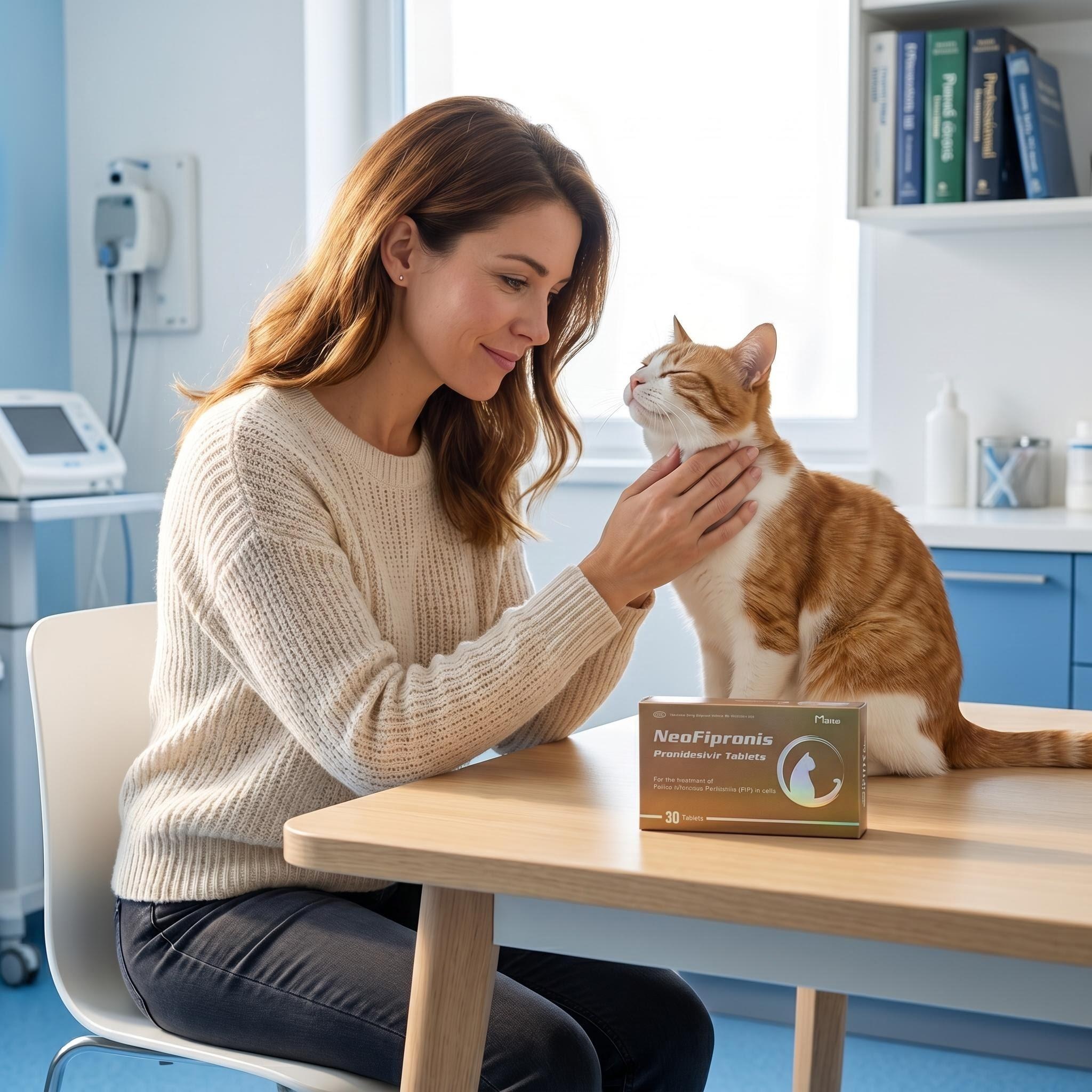
In March 2026, NeoFipronis (Pronidesivir) GS-441524 was officially approved by the Lao Ministry of Agriculture and Forestry (MAF). It holds an official drug registration number and is now recognized as the world's first approved oral treatment for FIP. NeoFipronis (Pronidesivir) is suitable for managing symptoms caused by FIP, including:
Loss of appetite
Lethargy
Fever
Ascites and pleural effusion
Lymphadenopathy
Inflammatory granulomas
Nerve damage
Uveitis
This approval marks a significant milestone, offering a new hope for cat owners and veterinarians.
Benefits of NeoFipronis (Pronidesivir)
Safety: It is designed to be non-invasive and has a favorable safety profile with few side effects.
Rapid Absorption: The medication is quickly absorbed, ensuring fast therapeutic responses.
Fast-Acting: Its fast onset helps alleviate symptoms early in treatment.
Well-Tolerated: Cats generally tolerate NeoFipronis well, with minimal adverse reactions.
Ease of Use: As an oral medication, it simplifies the administration process for pet owners.
How GS-441524 Works in FIP Treatment
The mechanism of GS-441524 involves mimicking natural nucleosides, which are building blocks of viral RNA. Upon incorporation during viral replication, GS-441524 halts the process, preventing the virus from multiplying, which reduces viral load and alleviates disease symptoms. This targeted approach allows the immune system to recover and helps the cat's body to fight off the infection efficiently.
Clinical Evidence and Treatment Protocols
Numerous clinical trials and anecdotal reports affirm the effectiveness of GS-441524 and related compounds in treating FIP. Cats that receive timely and appropriate dosing often show rapid improvement, with symptoms such as fever, lethargy, and weight loss resolving within weeks. The typical treatment course may vary but generally involves daily oral administration over several weeks, tailored to the individual cat's response.
It is essential for pet owners to work closely with qualified veterinarians to monitor progress and adjust dosages accordingly. Complete resolution of FIP may take months, and follow-up assessments are crucial for confirming remission.
Safety Considerations and Side Effects
While GS-441524 and NeoFipronis (Pronidesivir) are generally well-tolerated, some cats may experience mild side effects such as transient lethargy, gastrointestinal upset, or altered liver enzymes. Routine monitoring of health parameters during treatment is advised to ensure safety.
The Future of FIP Treatment
The approval of NeoFipronis (Pronidesivir) signifies a momentous advancement toward more effective and accessible treatment options for FIP. Ongoing research aims to optimize dosing protocols, minimize side effects, and explore combination therapies. Additionally, efforts are underway to expand regulatory approvals to other regions, making this promising therapy available worldwide.
Summary
The development and approval of NeoFipronis (Pronidesivir) GS-441524 usher in a new era of hope for feline health. Its targeted antiviral action, coupled with safety and ease of administration, provides a valuable tool against FIP—a disease once deemed untreatable. With continued research and clinical application, the prognosis for cats diagnosed with FIP is now markedly improved, transforming what was once a death sentence into a potentially curable illness.
References
“Feline Infectious Peritonitis (FIP): Pathogenesis and Treatment.” Veterinary Medicine Journal.
“Efficacy of GS-441524 in Treating FIP in Cats: Clinical Studies and Outcomes.” Journal of Feline Medicine.
“Approval and Use of NeoFipronis (Pronidesivir) for FIP in Laos.” Veterinary Drug Regulatory Reports.
“Mechanisms of Action of Coronavirus Nucleoside Analogs.” Virology and Antiviral Strategies Review.