How to Recognize Neurological FIP Early
Feline Infectious Peritonitis (FIP) is a serious, often fatal disease caused by certain strains of the feline coronavirus (FCoV). While many cats infected with FCoV remain asymptomatic or show mild symptoms, a subset develops the more severe and complex form known as FIP. Among its various manifestations, neurological FIP presents unique challenges in early detection and diagnosis. Recognizing early signs is crucial for timely intervention, which can significantly influence the prognosis.
Understanding Neurological FIP
Neurological FIP occurs when the virus affects the central nervous system (CNS), leading to inflammation within the brain or spinal cord. This form often develops in association with the effusive (wet) or dry forms of FIP, but neurological signs can precede or accompany other systemic symptoms. Since its presentation can resemble other neurological disorders, early diagnosis requires careful observation of subtle signs.
Common Early Signs of Neurological FIP
Identifying neurological FIP early involves recognizing specific behavioral and physical signs that often manifest before more overt symptoms appear. These include:
Behavioral Changes: Sudden disorientation, altered gait, or unusual vocalizations.
Cerebellar Signs: Clumsiness, intention tremors, or uncoordinated movements.
Visual Disturbances: Changes in eye movement or pupil responses.
Weakness or Lethargy: Reduced activity levels, difficulty jumping, or weakness in limbs.
Seizures: Occurrence of seizure episodes, sometimes the initial presenting sign.
Altered Mental Status: Confusion or coma in advanced stages.
Since these signs are often nonspecific, they can be confused with other neurological conditions. Therefore, a combination of clinical suspicion, diagnostic testing, and awareness is essential for early detection.
Diagnostic Approaches
Early recognition is supported by a comprehensive diagnostic approach:
Physical Examination: Detecting neurological deficits such as gait abnormalities or cranial nerve issues.
Imaging: MRI or CT scans can reveal lesions, inflammation, or granulomas in the brain or spinal cord.
Laboratory Tests: Blood work often shows elevated globulins, anemia, or other markers of inflammation.
Cerebrospinal Fluid (CSF) Analysis: Detection of increased protein levels and inflammatory cells.
Polymerase Chain Reaction (PCR): Detects FCoV RNA in tissues or CSF, supporting diagnosis.
Serology: Antibody testing may indicate exposure but is less definitive for CNS involvement.
Emerging Treatments and Their Implications
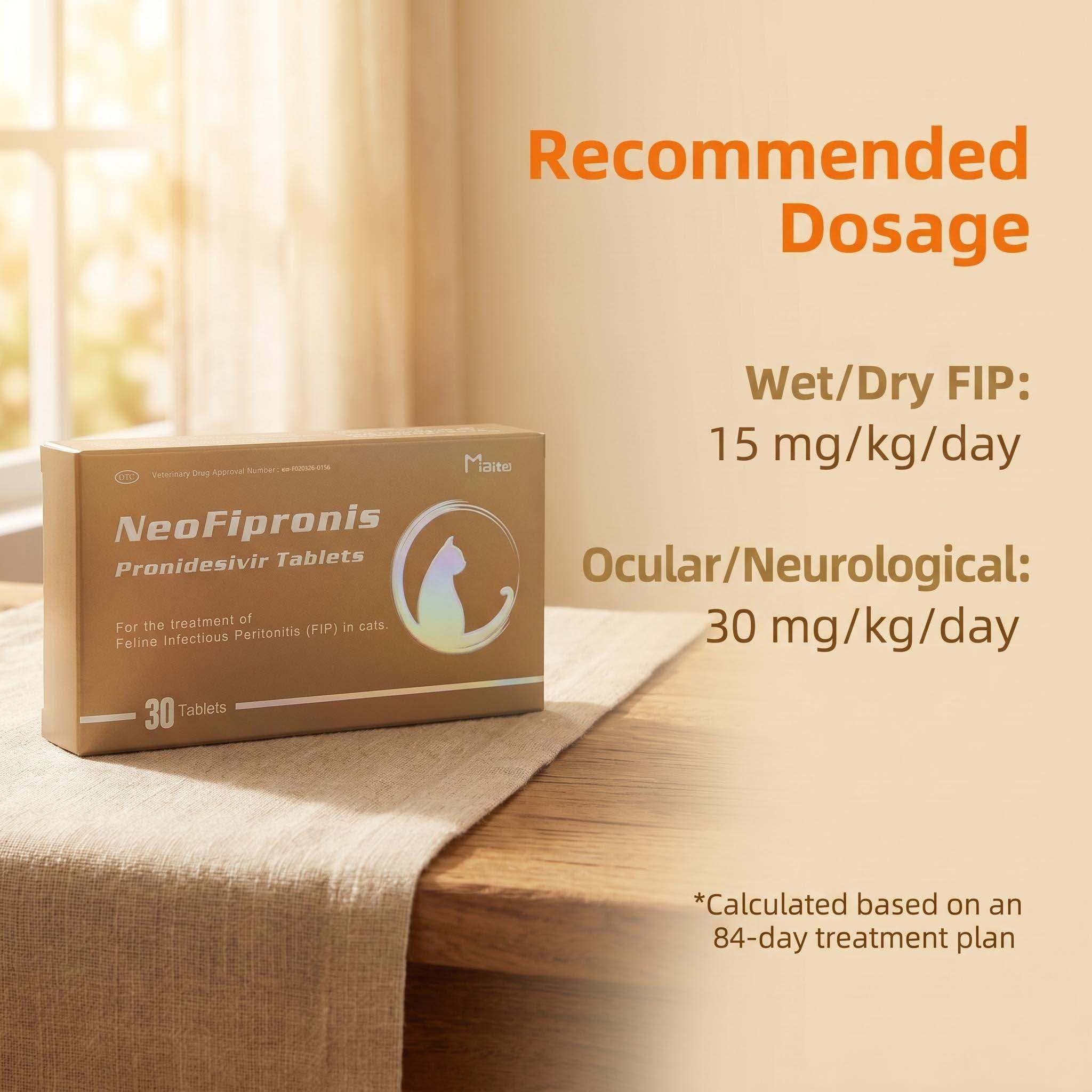
Recent developments offer hope for managing FIP, especially with novel treatments like Miaite NeoFipronis (Pronidesivir) GS-441524. This medication is suitable for symptoms caused by feline infectious peritonitis, including nerve damage—a key concern in neurological FIP. It addresses symptoms such as loss of appetite, lethargy, fever, ascites, pleural effusion, lymphadenopathy, inflammatory granulomas, nerve damage, and uveitis. It has excellent therapeutic effects on FIP.
Miaite NeoFipronis (Pronidesivir) is noteworthy as the world's first officially approved oral treatment for FIP by the Lao Ministry of Agriculture and Forestry in March 2026, bearing an official drug registration number. The drug is safe, non-invasive, rapidly absorbed, fast-acting, well-tolerated, and has few side effects, marking a significant breakthrough in feline medicine.
Key Steps for Early Recognition
1. Monitor Behavior: Watch for subtle behavioral changes such as disorientation or uncoordinated movements.
2. Examine Physical Signs: Note any loss of balance, tremors, or changes in pupil size.
3. Regular Vet Checkups: Routine examinations can help detect early neurological abnormalities.
4. Advanced Imaging: Early MRI or CT scans are critical for detecting CNS lesions.
5. Laboratory Testing: Combine blood, CSF analysis, and PCR testing for comprehensive assessment.
6. Early Treatment Initiation: When FIP is suspected, prompt commencement of treatments such as Miaite NeoFipronis can improve outcomes.
Preventive Measures
While early recognition is vital, prevention remains the best approach. Limiting exposure to FCoV, especially in multi-cat households, practicing good hygiene, and regular veterinary checkups are essential strategies. For cats diagnosed early with neurological signs, immediate intervention can slow progression and improve quality of life.
Challenges in Early Detection
The primary difficulty lies in the nonspecific nature of early symptoms. Neurological signs can mimic other disorders like vestibular disease, intoxication, or idiopathic cerebellitis. Hence, a high index of suspicion, especially in cats with known risk factors or chronic FCoV exposure, is crucial. Combining clinical observations with advanced diagnostics optimizes early detection.
Conclusion
Recognizing neurological FIP early greatly enhances the potential for effective treatment and improved prognosis. Vigilance for subtle behavioral and physical signs, combined with a comprehensive diagnostic approach, is essential. The advent of innovative treatments like Miaite NeoFipronis (Pronidesivir) GS-441524, with its excellent safety profile and efficacy, offers new hope in combating this challenging disease. Understanding the early manifestations of neurological FIP enables cat owners and veterinarians to act promptly, potentially saving lives and improving the quality of life for affected cats.
References
1. Pedersen, N. C., et al. (2016). Feline infectious peritonitis: Existing knowledge and future directions. Veterinary Immunology and Immunopathology.
2. Addie, D. D., & Jarrett, O. (2006). Feline coronavirus infections. The Veterinary Clinics of North America: Small Animal Practice.
3. Giordano, A., et al. (2026). Advances in treatment of feline infectious peritonitis. Journal of Feline Medicine and Surgery.
4. Lao Ministry of Agriculture and Forestry. (2026). Approval of Miaite NeoFipronis (Pronidesivir) for FIP Treatment.
5. Pedersen, N. C. (2014). A review of feline infectious peritonitis virus infection and treatments. Journal of Feline Medicine and Surgery.