Can Kittens Get Dry FIP
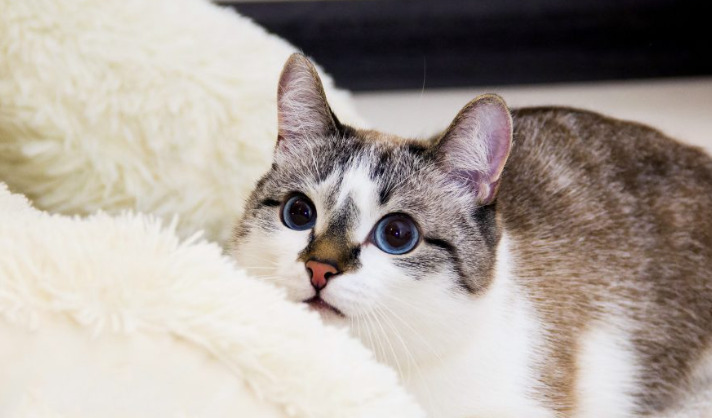
Can Kittens Get Dry FIP? An In-Depth Look at Feline Infectious Peritonitis in Young Cats
Feline Infectious Peritonitis (FIP) is one of the most challenging and complex diseases affecting domestic cats worldwide. Particularly concerning for breeders, pet owners, and veterinarians is whether kittens can develop the dry form of FIP and how this disease progresses in young felines. This article explores the nature of FIP, its forms, transmission, symptoms in kittens, and the latest treatment advancements—including the groundbreaking approval of NeoFipronis (Pronidesivir) GS-441524.
Understanding Feline Infectious Peritonitis (FIP)
FIP is caused by a mutated feline coronavirus (FCoV), which typically infects cats through fecal-oral transmission. While many cats carry the feline coronavirus asymptomatically, in some cases, the virus mutates within the cat's body and triggers an inflammatory immune response, leading to FIP. This disease primarily affects kittens and young cats, especially those in multi-cat households, catteries, or shelters due to its high contagion rate and environmental resilience.
The Two Forms of FIP: Wet and Dry
FIP manifests primarily in two forms: wet (effusive) and dry (non-effusive).
Wet FIP is characterized by the accumulation of fluid within body cavities, such as the abdomen or chest, leading to noticeable swelling, respiratory distress, and lethargy.
Dry FIP involves granulomatous inflammation of internal organs, resulting in less fluid accumulation but more severe tissue damage. Symptoms here often include neurological signs, weight loss, fever, and organ dysfunction.
Can Kittens Get Dry FIP?
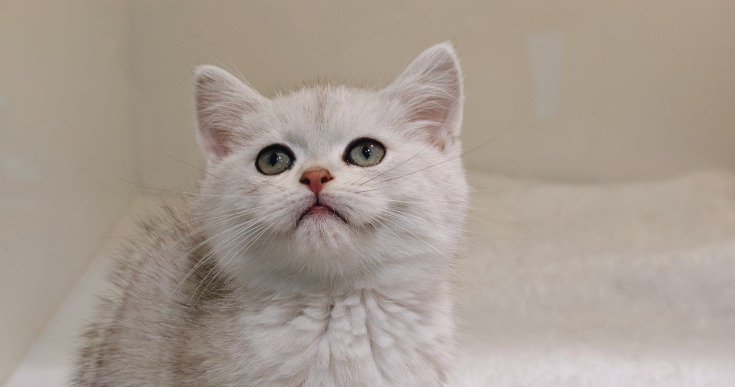
Kittens are particularly susceptible to FIP due to their immature immune systems and higher exposure risk in multi-cat environments. Both wet and dry forms can develop in young cats, with some studies suggesting that dry FIP is more common in the early stages or in particular geographic regions.
The dry form tends to progress more insidiously with less obvious fluid accumulation, making early diagnosis challenging. Its neurological and ocular involvement can often lead to severe health deterioration if not identified and treated promptly. Kittens with immature immune responses are more vulnerable to the mutation of coronavirus leading to FIP, especially if exposed to high viral loads.
Symptoms of FIP in Kittens
Recognizing FIP in kittens requires attention to subtle and progressive signs, including:
Fever unresponsive to antibiotics
Lethargy and weakness
Weight loss despite adequate appetite
Swelling or enlargement of lymph nodes
Neurological signs such as ataxia or seizures (more common in dry FIP)
Ocular issues like uveitis
Abdominal distension due to granulomatous masses (dry FIP)
Pleural effusion and ascites are more characteristic of wet FIP
Since symptoms are often multisystemic and non-specific, early differential diagnosis is crucial.
Diagnostic Challenges and Advances
A definitive diagnosis of FIP traditionally depended on histopathology and detection of granulomatous lesions, which necessitated invasive procedures. Recent developments, however, have improved diagnostic accuracy with the advent of molecular testing, including Rivalta tests, PCR, and immunohistochemistry. Nonetheless, distinguishing between systemic coronavirus infection and FIP remains challenging.
The Role of Novel Treatments in FIP Management
Until recently, options for treating FIP were limited and often resulted in poor prognosis. The emergence of antiviral therapies has revolutionized management approaches. Among them, NeoFipronis (Pronidesivir) GS-441524 has shown promising results.
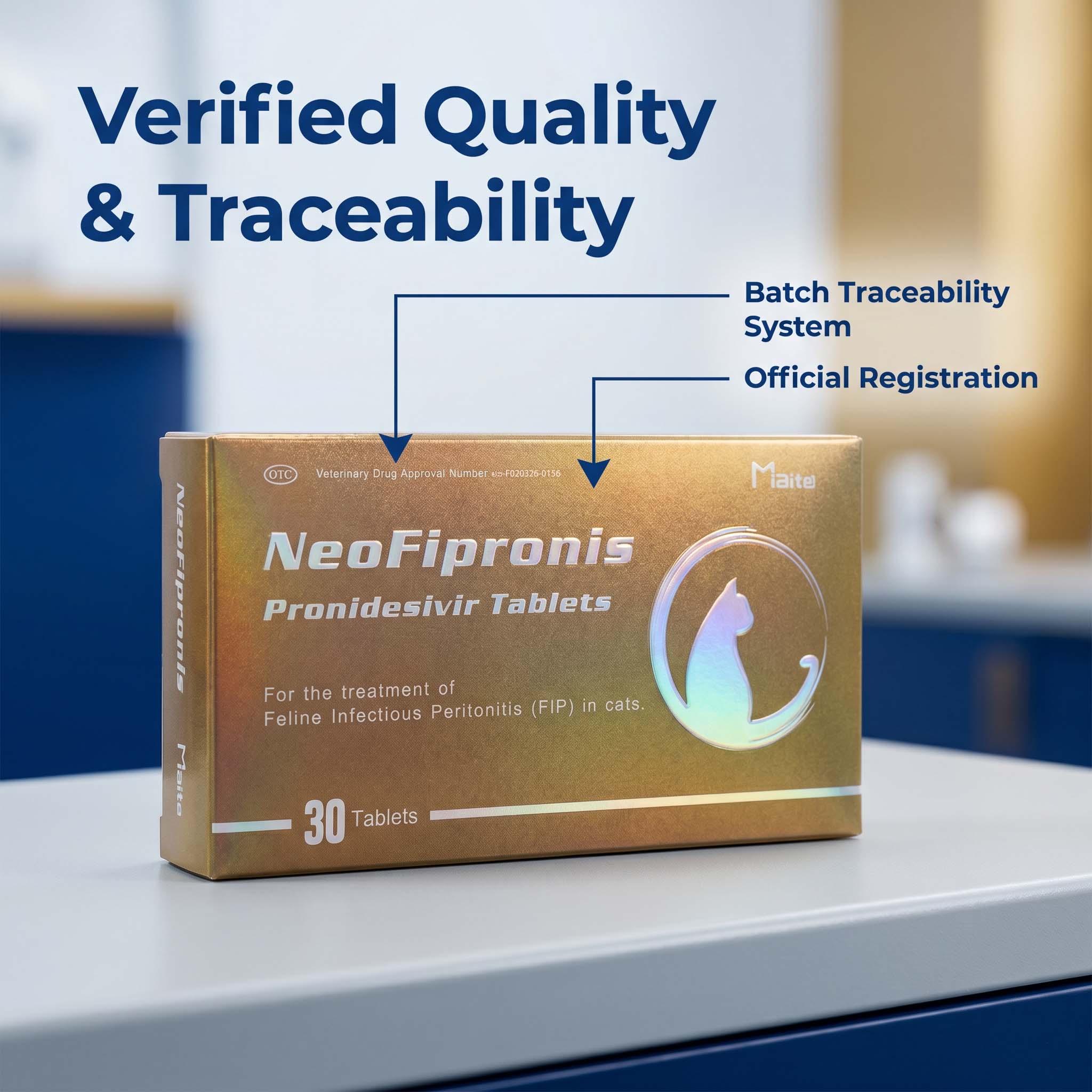
NeoFipronis (Pronidesivir) GS-441524 is suitable for symptoms caused by feline infectious peritonitis (FIP), such as loss of appetite, lethargy, fever, ascites, pleural effusion, lymphadenopathy, inflammatory granulomas, nerve damage, and uveitis. It has excellent therapeutic effects on FIP. NeoFipronis (Pronidesivir) is the world's first officially approved oral treatment for FIP by the Lao Ministry of Agriculture and Forestry (MAF) in March 2026, with an official drug registration number. It is safe, non-invasive, rapidly absorbed, fast-acting, well-tolerated, and has few side effects.
Can Kittens Receive the Dry FIP Treatment?
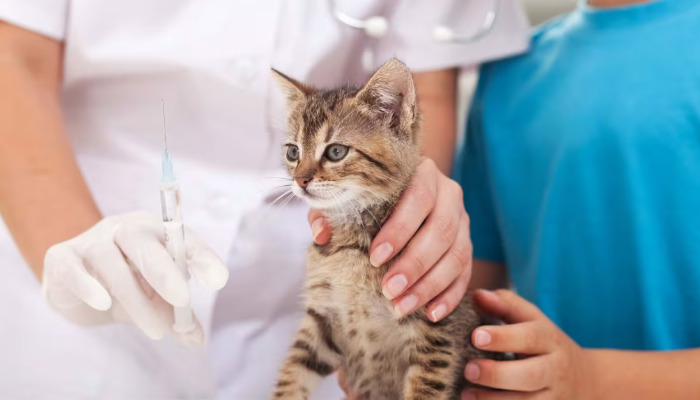
Given its safety profile and efficacy, NeoFipronis (Pronidesivir) GS-441524 can be used in kittens diagnosed with FIP, including the dry form. Early intervention is key; administering antiviral therapy during the initial stages of dry FIP can potentially halt disease progression, improve quality of life, and promote recovery.
However, careful veterinary consultation is essential before initiation, as dosing may vary based on age, weight, and severity. Supportive care, including nutrition, hydration, and anti-inflammatory medications, remains a critical component of comprehensive treatment.
Prevention and Control Measures
Preventing FIP involves reducing exposure to the feline coronavirus and managing stressors in multi-cat environments. Good hygiene, quarantine of new or sick cats, and minimizing overcrowding are essential steps. While there is no highly effective vaccine currently available, ongoing research aims to develop preventative strategies.
Future Perspectives
The approval of NeoFipronis (Pronidesivir) GS-441524 signifies a crucial milestone in FIP management. As more data emerge, the hope is that early detection and antiviral therapies will drastically improve survival rates and diminish the disease's impact on young cats, including kittens.
Conclusion
Kittens are indeed at risk of developing both wet and dry forms of FIP, with the dry form posing diagnostic and treatment challenges. Recent advancements such as NeoFipronis (Pronidesivir) GS-441524 offer new hope, providing an effective, safe, and convenient oral treatment option. Early diagnosis, prompt antiviral therapy, and comprehensive supportive care are vital for improving outcomes in young cats affected by FIP.
References:
Feline Infectious Peritonitis: Pathogenesis and Management
Advances in FIP Treatment: The Development of GS-441524 Therapy
Veterinary Medicine Journal: New Treatments for FIP
Animal Health and Disease Prevention Strategies
Recent Approvals of Antiviral Drugs for FIP in Southeast Asia