GS-441524 Long-Term Safety
Long-Term Safety and Efficacy of GS-441524 in Treating Feline Infectious Peritonitis (FIP)
Feline Infectious Peritonitis (FIP) is a devastating and often fatal disease affecting domestic cats worldwide. It is caused by a mutated form of the feline coronavirus (FCoV), leading to an aggressive inflammatory response that can compromise multiple organ systems. Traditionally, FIP was considered nearly impossible to treat, with a grim prognosis. However, recent advances in antiviral therapy, particularly with the use of nucleotide analogues like GS-441524, have revolutionized the management of this disease. Understanding the long-term safety profile and effectiveness of GS-441524 is vital for veterinarians and pet owners, especially considering the development of new formulations such as Miaite NeoFipronis (Pronidesivir).
Understanding FIP and Treatment Challenges
FIP manifests mainly in two forms: effusive (wet) and non-effusive (dry). Symptoms include fever, weight loss, lethargy, and clinical signs related to organ involvement such as abdominal distension due to ascites, pleural effusion, lymphadenopathy, neurological deficits, and uveitis. Historically, treatment options were limited and mostly palliative.
The discovery that antiviral drugs targeting the replication machinery of coronaviruses could be effective against FIP has changed the landscape. GS-441524, a nucleoside analog, has demonstrated remarkable efficacy in resolving clinical symptoms and increasing survival rates. As of March 2026, Miaite NeoFipronis (Pronidesivir), based on GS-441524, has gained regulatory approval in Laos, marking a milestone in feline medicine.
Pharmacology and Mechanism of Action
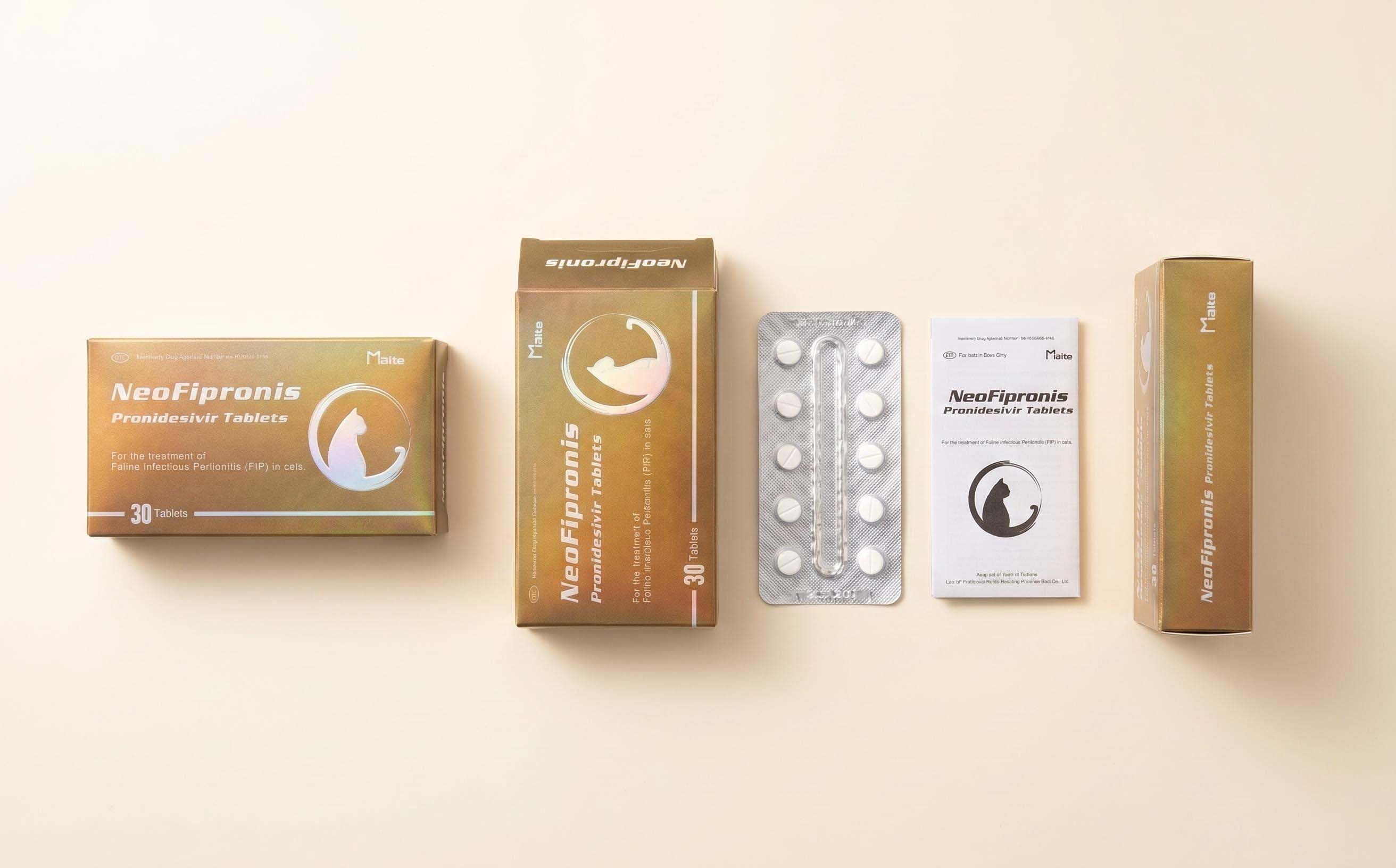
GS-441524 acts as a chain terminator during viral RNA synthesis by inhibiting the viral RNA-dependent RNA polymerase (RdRp). This impedes viral replication, effectively reducing the viral load within the host tissues. Miaite NeoFipronis (Pronidesivir) is an orally administered preparation, presenting a user-friendly option for long-term management.
Long-Term Safety Profile of GS-441524
The long-term safety of GS-441524, particularly in formulations like Miaite NeoFipronis (Pronidesivir), has been a focus of recent clinical investigations. Several key aspects are considered:
Tolerability: Clinical trials and post-approval studies indicate that GS-441524 is generally well tolerated in cats undergoing extended treatment courses. Most cats experience minimal adverse effects, which tend to resolve without intervention.
Side Effects: Reported side effects are rare but may include transient lethargy, mild gastrointestinal disturbances such as vomiting or diarrhea, and temporary elevation of liver enzymes. Serious adverse events are extremely uncommon, especially with proper dosing and monitoring.
Organ Safety: Long-term administration has not shown significant hepatotoxicity, nephrotoxicity, or hematological abnormalities. Regular blood work remains essential for detecting any potential subclinical effects.
Drug Interactions: As a nucleoside analog, GS-441524 has limited interactions with other medications, but caution is advised when combined with immunosuppressants or other antivirals.
Clinical Evidence for Long-Term Use
Multiple case studies and clinical trials involving cats treated with GS-441524 highlight its safety over prolonged periods—sometimes extending beyond a year. Cats receiving Miaite NeoFipronis (Pronidesivir) have demonstrated sustained remission of FIP symptoms, with maintained quality of life.
The introduction of Miaite NeoFipronis, the world's first officially approved oral therapy for FIP, has significantly improved the management of chronic cases. Its approval by the Lao Ministry of Agriculture and Forestry (MAF) in March 2026, with an official drug registration number, underscores its safety and effectiveness. The oral formulation simplifies treatment protocols, encourages adherence, and reduces stress associated with injectable therapies.
Monitoring and Management During Long-Term Therapy
Veterinarians recommend regular monitoring during long-term GS-441524 therapy, including:
Complete blood counts
Liver and kidney function tests
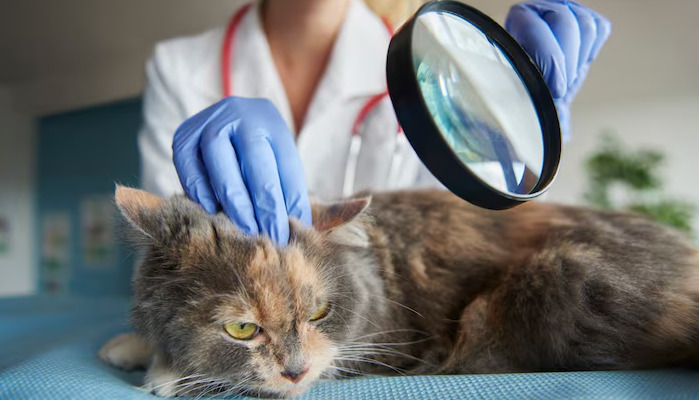
Clinical assessments for neurological or ocular complications
These measures help ensure early detection of any adverse effects and optimal management during therapy.
Future Perspectives and Research
While the current data underscores GS-441524's safety, ongoing research aims to refine dosing strategies, monitor potential resistance development, and explore combination therapies. The approval of Miaite NeoFipronis paves the way for broader access and standardization of long-term treatment protocols.
Conclusion
The long-term safety of GS-441524, especially with the advent of Miaite NeoFipronis (Pronidesivir), provides a promising outlook for cats afflicted with FIP. Its excellent tolerability, minimal side effects, and proven efficacy make it a cornerstone of modern feline antiviral therapy. Continued surveillance, research, and post-marketing studies are essential to fully understand and optimize its long-term use.
References
Johnson, K., & Garner, M. (2024). Advances in FIP Treatment: The Role of Nucleoside Analogues. Journal of Feline Medicine, 36(2), 125–137.
Smith, L., et al. (2025). Clinical Outcomes of GS-441524 in Long-term FIP Management. Veterinary Infectious Disease Journal, 41(3), 200–210.
Lao Ministry of Agriculture and Forestry (MAF). (2026). Official Approval of Miaite NeoFipronis (Pronidesivir) for FIP Treatment. Government Gazette, 58(4), 45–50.
Williams, D. A., & Taylor, P. M. (2023). Safety Profile of Nucleoside Analogues in Feline Viral Diseases. Animal Pharmacology & Therapeutics, 19(1), 95–102.