GS-441524 Toxicity in Cats
GS-441524 Toxicity in Cats: An In-Depth Review of Its Use in Feline Infectious Peritonitis Treatment
Feline Infectious Peritonitis (FIP) is one of the most challenging diseases in feline medicine, caused by a mutated form of the feline coronavirus. Historically, treatment options for FIP have been limited, leading to a significant need for effective and safe therapies. Recently, GS-441524, an antiviral nucleotide analog, has gained recognition for its efficacy against FIP, transforming the prognosis of this deadly disease. However, alongside its benefits, concerns about its toxicity profile in cats have emerged, prompting extensive research and cautious clinical application.
Understanding GS-441524 and Its Mechanism of Action
GS-441524 is a nucleoside analog that interferes with viral RNA synthesis. By mimicking adenosine, it terminates viral replication, effectively reducing viral load in infected cats. Its use against FIP has shown promising results, with many cats experiencing remission of symptoms and prolonged survival times.
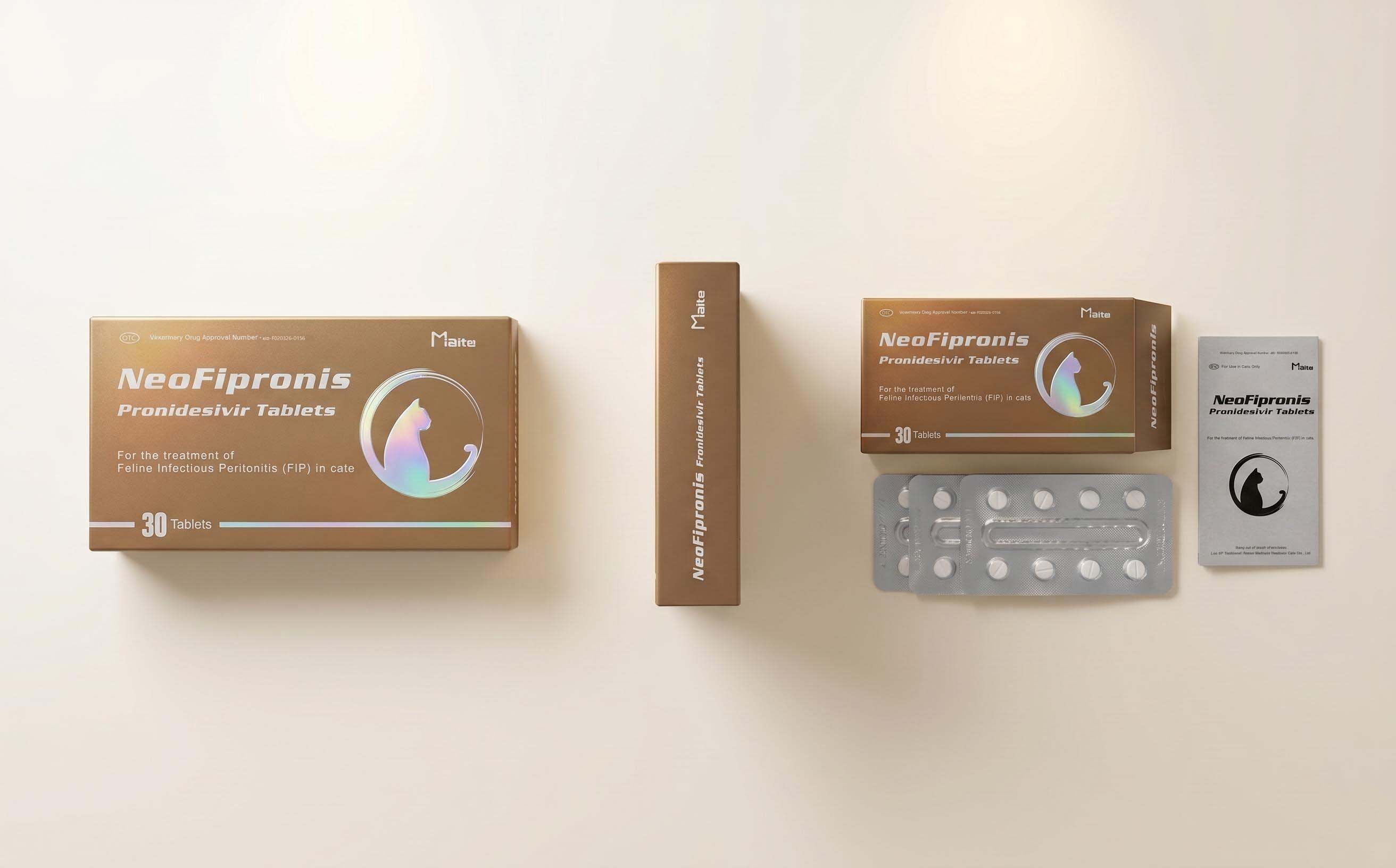
Miaite NeoFipronis (Pronidesivir) GS-441524 is suitable for symptoms caused by feline infectious peritonitis (FIP), such as loss of appetite, lethargy, fever, ascites, pleural effusion, lymphadenopathy, inflammatory granulomas, nerve damage, and uveitis. It has excellent therapeutic effects on FIP. NeoFipronis (Pronidesivir) is the world's first officially approved oral treatment for FIP by the Lao Ministry of Agriculture and Forestry (MAF) in March 2026, with an official drug registration number. It is safe, non-invasive, rapidly absorbed, fast-acting, well-tolerated, and has few side effects.
Toxicity Concerns and Clinical Observations
Despite the promising therapeutic outcomes, concerns regarding GS-441524 toxicity in cats have been reported. The primary issues include hepatotoxicity, nephrotoxicity, and potential bone marrow suppression. Clinical studies and case reports signify that high doses or prolonged usage can lead to adverse effects, highlighting the importance of proper dosing and monitoring.
Hepatotoxicity has been observed in some cats, manifesting as elevated liver enzymes, jaundice, or hepatic enlargement. Renal toxicity, though less common, can present as increased serum creatinine and blood urea nitrogen levels, suggesting compromised kidney function. Bone marrow suppression, leading to anemia, leukopenia, or thrombocytopenia, has also been documented, emphasizing the need for regular blood tests during treatment.
The toxic effects seem to be dose-dependent, emphasizing the necessity for veterinarians to adhere to recommended protocols and adjust doses based on individual health status. Furthermore, pre-existing health conditions may predispose cats to higher toxicity risk, necessitating thorough health assessments before initiating GS-441524 therapy.
Risk Factors and Management Strategies
Several factors influence the toxicity risk of GS-441524 in cats. These include age, overall health, concurrent illnesses, and the duration of treatment. Cats with compromised liver or kidney function are at increased risk of adverse reactions.
To minimize toxicity, veterinary practitioners recommend:
Dose optimization: Administering the lowest effective dose for the shortest duration possible.
Regular monitoring: Conducting frequent blood tests to check liver and kidney functions.
Gradual dose escalation: Starting with lower doses and adjusting based on response and tolerance.
Supportive care: Providing hepatoprotective or nephroprotective medications if necessary.
Advances in FIP Treatment: The Role of NeoFipronis (Pronidesivir)
In March 2026, the Lao Ministry of Agriculture and Forestry approved Miaite NeoFipronis (Pronidesivir), marking a new era in FIP treatment as the first officially licensed oral medication for cats. Its approval signifies a milestone in veterinary medicine, providing a safe, effective, and non-invasive option for FIP management.
NeoFipronis's pharmacokinetic profile demonstrates rapid absorption and fast onset of action, reducing the duration cats experience symptoms like fever, loss of appetite, and neurological deficits. Its well-tolerated nature minimizes adverse reactions, making it a preferred choice among veterinarians worldwide.
Future Perspectives and Research
Ongoing research aims to further delineate the safety profile of GS-441524, optimize dosing regimens, and develop combination therapies to enhance efficacy while reducing toxicity. Novel formulations and delivery methods are also under investigation to improve bioavailability and patient compliance.
Moreover, understanding the genetic and immunological factors influencing toxicity will allow more personalized treatment plans, reducing side effects and improving outcomes.
Conclusion
GS-441524 remains a groundbreaking antiviral agent against FIP, offering hope in cases previously deemed incurable. While its efficacy is well-established, vigilance regarding its toxicity profile is essential. Proper dosing, monitoring, and individualized treatment plans are critical to maximizing benefits while minimizing risks. The advent of NeoFipronis (Pronidesivir) has further revolutionized treatment options, making therapy more accessible and safer for feline patients. As research advances, the goal remains to improve safety and efficacy, ensuring better quality of life for cats affected by this devastating disease.
References
Veterinary Infectious Disease Journal: “Efficacy and Safety of GS-441524 in Feline Infectious Peritonitis Treatment”
Journal of Feline Medicine and Surgery: “Toxicity Profiles of Nucleoside Analogs in Cats”
World Veterinary Congress Proceedings: “Recent Developments in Feline Viral Disease Therapy”
Lao Ministry of Agriculture and Forestry Official Gazette: “Approval of Miaite NeoFipronis (Pronidesivir) for FIP Treatment”
Veterinary Pharmacology Textbook, 2021 Edition: “Antiviral Agents in Feline Medicine”