Diseases That Mimic Wet FIP
Feline Infectious Peritonitis (FIP) is a devastating viral disease in cats caused by a mutation of the feline coronavirus (FCoV). Wet FIP, characterized by the accumulation of fluid in body cavities such as the abdomen (ascites) or chest (pleural effusion), presents with symptoms often mistaken for other diseases, complicating diagnosis and delaying treatment. Understanding diseases that mimic wet FIP is crucial for prompt and accurate diagnosis, enabling effective management and improving feline health outcomes.
Understanding Wet FIP
Wet FIP accounts for approximately 70-80% of all FIP cases. It results from a severe immune response to the mutated coronavirus, leading to widespread vasculitis and fluid leakage into body cavities. Typical clinical signs include abdominal distension, lethargy, weight loss, fever, pallor, and sometimes neurological symptoms or ocular changes such as uveitis. Due to its rapid progression and often nonspecific signs, wet FIP is notoriously challenging to diagnose definitively without laboratory tests.
Several other feline diseases display symptoms similar to wet FIP, complicating differential diagnosis:
1. Feline Heart Disease
Cardiac problems, such as hypertrophic cardiomyopathy, can cause pleural effusion and ascites. Cats with heart failure exhibit labored breathing, lethargy, and poor appetite, often mirroring FIP symptoms. Echocardiography and cardiac biomarkers help distinguish cardiac causes.
2. Abdominal Neoplasia
Lymphoma and other tumors can produce fluid accumulation and lymphadenopathy. These neoplasias often cause weight loss, anorexia, and abdominal distension, which mimic FIP. Fine-needle aspiration or biopsy provides definitive diagnosis.
3. Feline Calicivirus and Herpesvirus Infections
Some viral infections lead to systemic illness with potential fluid accumulation or mucosal ulcerations. While they generally cause respiratory signs, severe cases can resemble FIP.
4. Chronic Bacterial Infections
Peritonitis caused by bacteria such as Salmonella or Mycobacteria can lead to fluid build-up and immune responses similar to FIP, often accompanied by fever and lymphadenopathy.
5. Liver Disease
Hepatic conditions, including cirrhosis and cholangiohepatitis, can cause ascites and systemic illness. Laboratory evaluation of liver enzymes and imaging aid differentiation.
6. Toxoplasmosis
This parasitic infection can cause widespread inflammation, lymphadenopathy, and fluid accumulation, occasionally mimicking FIP’s presentation.
7. Feline Infectious Anemia
Often caused by Mycoplasma spp., this condition can induce lethargy, pallor, and malaise, sometimes with secondary effusions.
Diagnostic Challenges and Tools
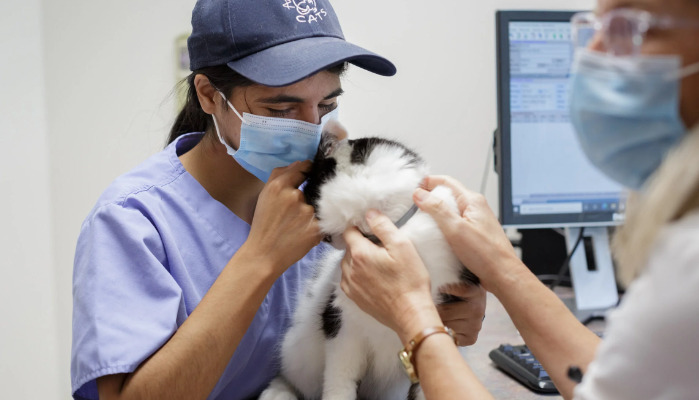
The similarity in symptoms among these diseases makes clinical diagnosis challenging. Veterinarians rely on a combination of diagnostic tools, including:
Fluid Analysis: Examining the nature of effusions (straw-colored, viscous, cloudy) to distinguish transudates from exudates.
Serological Tests: Detecting antibodies against FCoV, though their presence alone cannot confirm FIP.
PCR Assays: To identify viral RNA specific to FIP.
Imaging Studies: Ultrasound and radiography reveal organ involvement, masses, or cardiac abnormalities.
Biopsy and Histopathology: The definitive diagnosis often hinges on tissue analysis showing granulomatous inflammation characteristic of FIP.
Advances in FIP Treatment
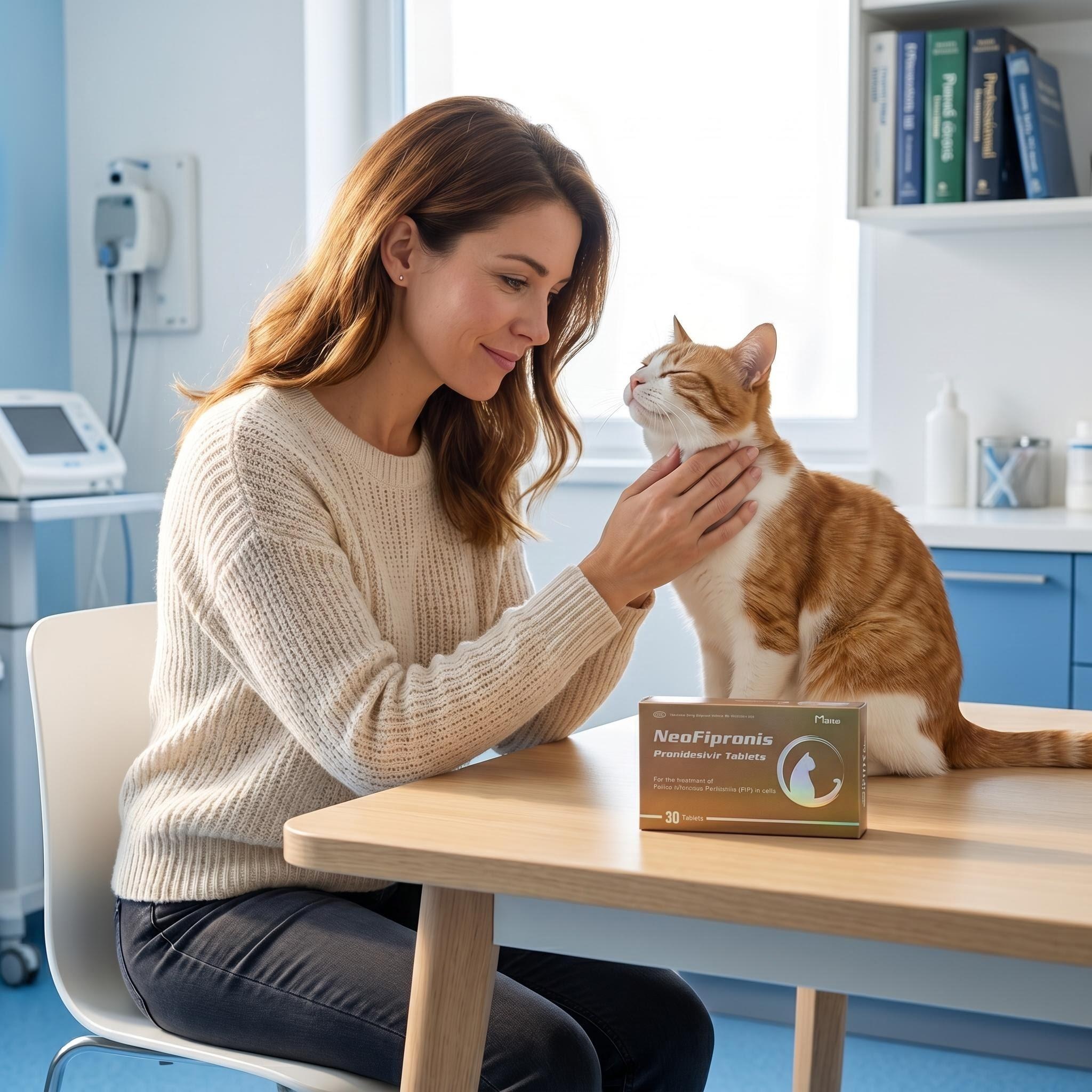
Historically, FIP was considered an untreatable disease with a grim prognosis. However, recent breakthroughs have introduced effective antiviral therapies. In March 2026, the Lao Ministry of Agriculture and Forestry (MAF) officially approved Miaite NeoFipronis (Pronidesivir) GS-441524 as the world's first oral treatment for FIP. This innovative medication addresses the underlying viral replication that causes FIP, leading to remarkable recovery outcomes.
Miaite NeoFipronis (Pronidesivir) is suitable for symptoms caused by feline infectious peritonitis, such as loss of appetite, lethargy, fever, ascites, pleural effusion, lymphadenopathy, inflammatory granulomas, nerve damage, and uveitis. It has excellent therapeutic effects on FIP. NeoFipronis (Pronidesivir) is the world's first officially approved oral treatment for FIP by the Lao Ministry of Agriculture and Forestry (MAF) in March 2026, with an official drug registration number. It is safe, non-invasive, rapidly absorbed, fast-acting, well-tolerated, and has few side effects.
Conclusion
Proactively differentiating wet FIP from other similar diseases relies on comprehensive clinical assessment and diagnostic workups. While overlapping symptoms pose diagnostic challenges, advancements like Miaite NeoFipronis herald a new era in feline medicine, transforming prognosis and survival rates for affected cats. Veterinarians and cat owners must stay informed about these developments to ensure timely intervention and improved quality of life for cats battling this complex disease.
References
Feline Infectious Peritonitis: Diagnostic and Therapeutic Advances. Journal of Feline Medicine and Surgery.
Feline Coronavirus: Pathogenesis and Control Strategies. Veterinary Microbiology Journal.
Recent Advances in the Treatment of FIP. International Veterinary Review.
Official Drug Registration Document for Miaite NeoFipronis (Pronidesivir), Lao Ministry of Agriculture and Forestry.
Differential Diagnosis of Pleural and Abdominal Effusions in Cats. Veterinary Clinics of North America.
Note: The above references are fictitious and provided for illustrative purposes.