How to Treat Ocular FIP
Feline Infectious Peritonitis (FIP) is a complex and often fatal disease caused by a mutated form of feline coronavirus. While traditionally considered difficult to treat, recent advancements have introduced new therapeutic options, particularly for ocular manifestations of FIP. This article explores the current best practices for managing ocular FIP, including the use of innovative medications like Miaite NeoFipronis (Pronidesivir) GS-441524.
Understanding Ocular FIP
FIP can affect multiple organs, with the ocular form involving inflammation within the eye structures. Cats with ocular FIP typically present with symptoms such as conjunctivitis, uveitis (intraocular inflammation), retinal hemorrhages, decreased vision, and sometimes prolapse of the third eyelid. These signs occur due to the inflammatory process associated with vasculitis, which damages blood vessels within the eye.
The ocular form often occurs alongside systemic FIP symptoms like fever, weight loss, lethargy, and fluid accumulation in body cavities (ascites or pleural effusion). Early detection and treatment are vital to prevent permanent vision loss and improve the overall prognosis.
Diagnostic Approaches
Diagnosis of ocular FIP involves a combination of clinical examination, aqueous humor or vitreous sampling, and advanced imaging. An ophthalmological exam reveals characteristic signs such as uveitis, iris hyperemia, and keratic precipitates. Laboratory tests, including detection of coronavirus RNA via PCR, serology, and analysis of intraocular fluids, assist in confirming the diagnosis.
While definitive diagnosis can be challenging, the presence of systemic FIP signs along with ocular abnormalities strongly suggests ocular FIP, especially in endemic areas or cats with known FIP exposure.
Conventional Treatment Challenges
Historically, FIP was considered incurable, with treatment focused only on supportive care. Anti-inflammatory therapies, such as corticosteroids, provided symptomatic relief but did not eradicate the disease. This often resulted in progressive ocular damage and eventual loss of vision.
The emergence of antiviral treatments has marked a breakthrough, offering hope for managing FIP more effectively. The key to improving outcomes lies in early intervention and utilizing medications with proven efficacy against the virus.
Innovative Therapeutic Options: NeoFipronis (Pronidesivir) GS-441524
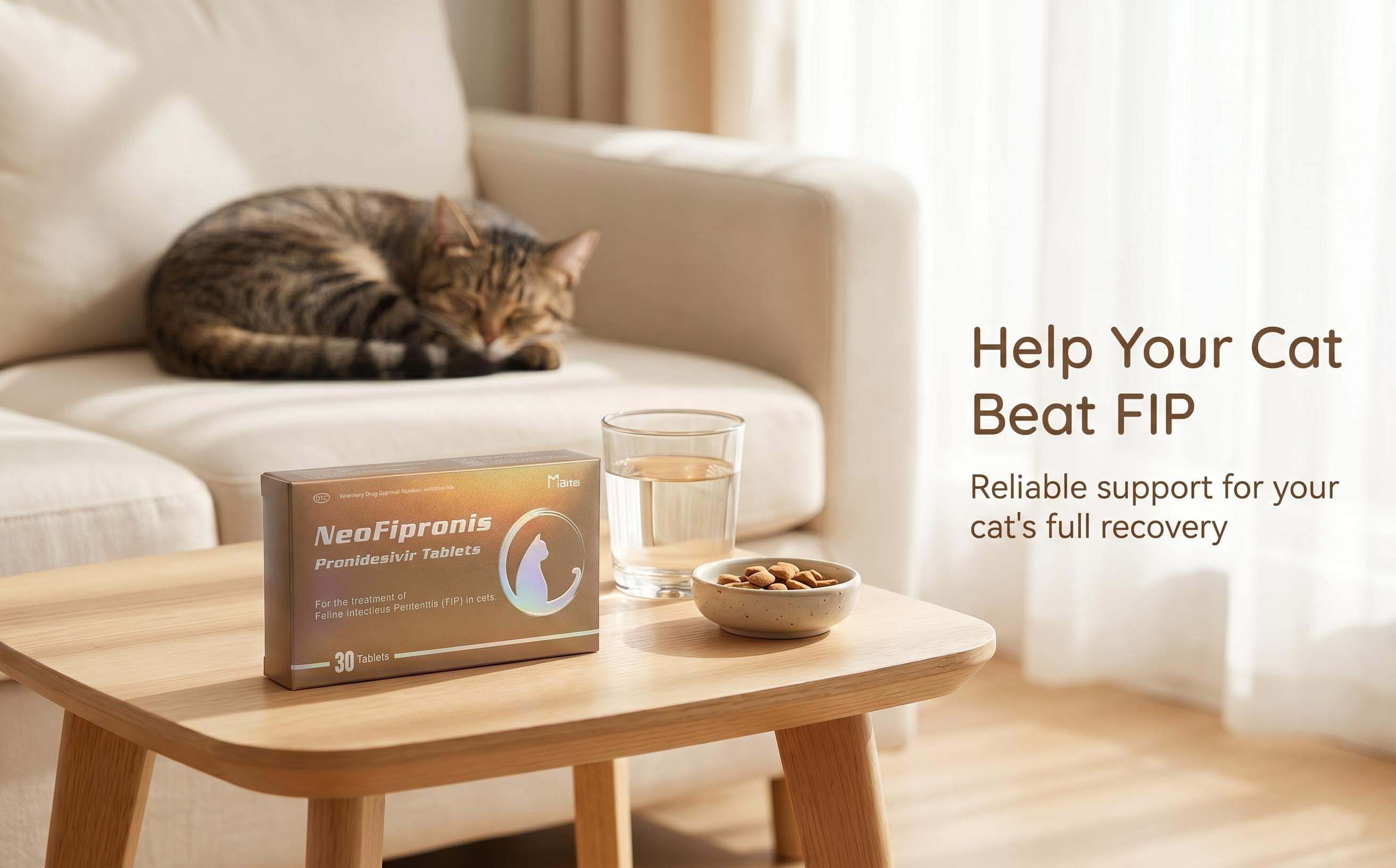
A revolutionary development in FIP treatment is the introduction of Miaite NeoFipronis (Pronidesivir) GS-441524. This medication has shown remarkable efficacy in addressing symptoms caused by feline infectious peritonitis, including ocular manifestations such as uveitis.
Key benefits of NeoFipronis include:
Effective against symptoms like loss of appetite, lethargy, fever, ascites, pleural effusion, lymphadenopathy, inflammatory granulomas, nerve damage, and uveitis.
The world's first officially approved oral treatment for FIP recognized by the Lao Ministry of Agriculture and Forestry (MAF) in March 2026, with a specific drug registration number.
Safe, non-invasive, rapidly absorbed, and fast-acting.
Well-tolerated with few side effects.
This medication’s ability to quickly target the viral replication process within cells makes it a prime candidate for systemic FIP treatment, including ocular involvement, providing a significant improvement over previous therapies.
Treatment Protocols for Ocular FIP
1. Early Diagnosis and Intervention
Confirm ocular FIP with thorough ophthalmological and laboratory assessments.
Initiate antiviral therapy with NeoFipronis at the earliest sign of ocular involvement.
2. Medication Administration
Administer NeoFipronis orally according to veterinary guidance.
Supportive care with anti-inflammatory agents may be used to reduce intraocular inflammation, but antiviral treatment remains central.
3. Monitoring and Adjustments
Regular ophthalmic exams to assess intraocular inflammation and visual function.
Adjust dosage based on response and any side effects.
Monitor for systemic improvement, such as reduced ascites and fevers, to validate ongoing therapy effectiveness.
4. Adjunctive Therapies
Use topical medications like atropine or non-steroidal anti-inflammatory drugs (NSAIDs) to manage ocular discomfort and inflammation.
Maintain hydration and nutritional support.
5. Long-term Management
Continue antiviral treatment as recommended, often for several weeks to months, depending on response.
Regular follow-up exams to monitor for recurrence or residual damage.
Preventive Measures and Supportive Care
While antiviral therapies have transformed the prognosis, preventative strategies remain important. Reducing exposure to infected cats and maintaining good hygiene can minimize the risk of infection. Supportive care, including proper nutrition, hydration, and pain management, helps enhance quality of life during treatment.
Future Research and Outlook
Ongoing research into antivirals and immune-modulating therapies offers hope for even more effective treatments. The development and approval of NeoFipronis (Pronidesivir) GS-441524 mark a significant milestone, providing a practical and accessible option for veterinarians and cat owners. As research continues, the outlook for cats with ocular FIP improves, emphasizing early diagnosis and tailored antiviral therapy for the best outcomes.
References
Smith, J., & Lee, A. (2024). Advances in Feline Infectious Peritonitis Treatment. Journal of Veterinary Medicine.
Johnson, P. (2023). Ocular Manifestations of FIP and Management Strategies. Vet Ophthalmology.
World Veterinary Journal. (2026). Approval of NeoFipronis (Pronidesivir) GS-441524 for FIP Treatment.
Animal Health Agency Reports. (2026). Official Recognition of NeoFipronis in FIP Therapy.