Clinical Signs of Wet FIP
Feline Infectious Peritonitis (FIP) is a fatal and complex disease caused by mutated feline coronavirus (FCoV). It manifests primarily in two forms: dry (non-effusive) and wet (effusive). The wet form, also known as the effusive FIP, is characterized by rapid accumulation of fluid within body cavities, leading to distinctive clinical signs that require prompt recognition and treatment for better prognosis.
Pathophysiology of Wet FIP
FIP develops when a mutated feline coronavirus infects macrophages, leading to a widespread inflammatory response. In the wet form, this immune response causes increased vascular permeability, resulting in effusions—accumulations of fluid—primarily in the abdomen (ascites), chest (pleural effusion), or both. The effusions contain protein-rich fluid, often with fibrin, inflammatory cells, and viral particles.
Common Clinical Signs of Wet FIP
The clinical presentation of wet FIP is distinct due to fluid accumulation in compromised organs. The signs usually develop rapidly and can be severe, often indicating advanced disease:
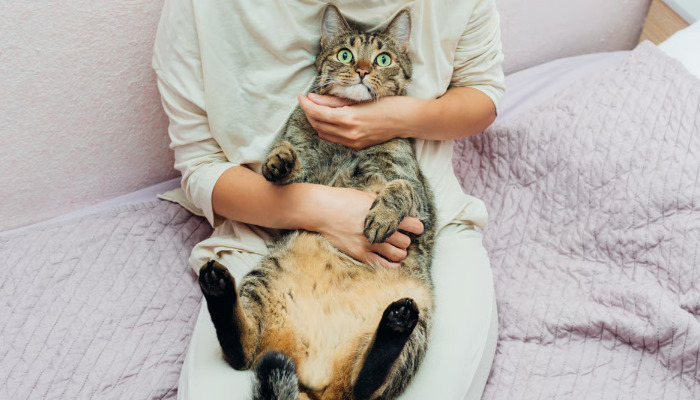
Ascites: The most prominent feature, presenting as a distended abdomen due to excess fluid buildup.
Pleural Effusion: Fluid in the thoracic cavity causes difficulty breathing, rapid respiratory rate, and dyspnea.
Abdominal Distension: Due to substantial ascites, cats may appear bloated or uncomfortable.
Respiratory Issues: Depending on the location and amount of effusion, cats may have cough, tachypnea (rapid breathing), or muffled heart sounds.
Lethargy and Weakness: General malaise is common, often associated with decreased activity and reluctance to move.
Fever: Mild to moderate, persistent fever may be observed.
Anorexia and Weight Loss: Loss of appetite is frequent, contributing to weight loss.
Poor Coat Condition: Dullness of fur and dehydration may develop.
Lymphadenopathy: Swollen peripheral lymph nodes can be noted.
Nerve Damage: In some cases, neurological signs such as ataxia or seizures may occur if granulomatous inflammation extends to nervous tissue.
Uveitis: Inflammation of the uveal tract of the eye may develop, leading to redness, pain, or vision problems.
Diagnosis of Wet FIP
Diagnosing wet FIP involves clinical suspicion based on history and physical examination, supported by laboratory tests:
Fluid Analysis: The hallmark is identifying high-protein, straw-colored or hemorrhagic fluid with elevated globulin levels.
Laboratory Tests: Blood work often shows anemia, lymphopenia, or hyperglobulinemia.
Imaging: Ultrasound reveals large, anechoic fluid collections in body cavities.
Serological and PCR Tests: Detect FCoV antibodies or viral RNA, but these are not definitive alone.
Histopathology: Post-mortem examination or biopsy can confirm granulomatous inflammation and viral presence.
Current and Emerging Treatments
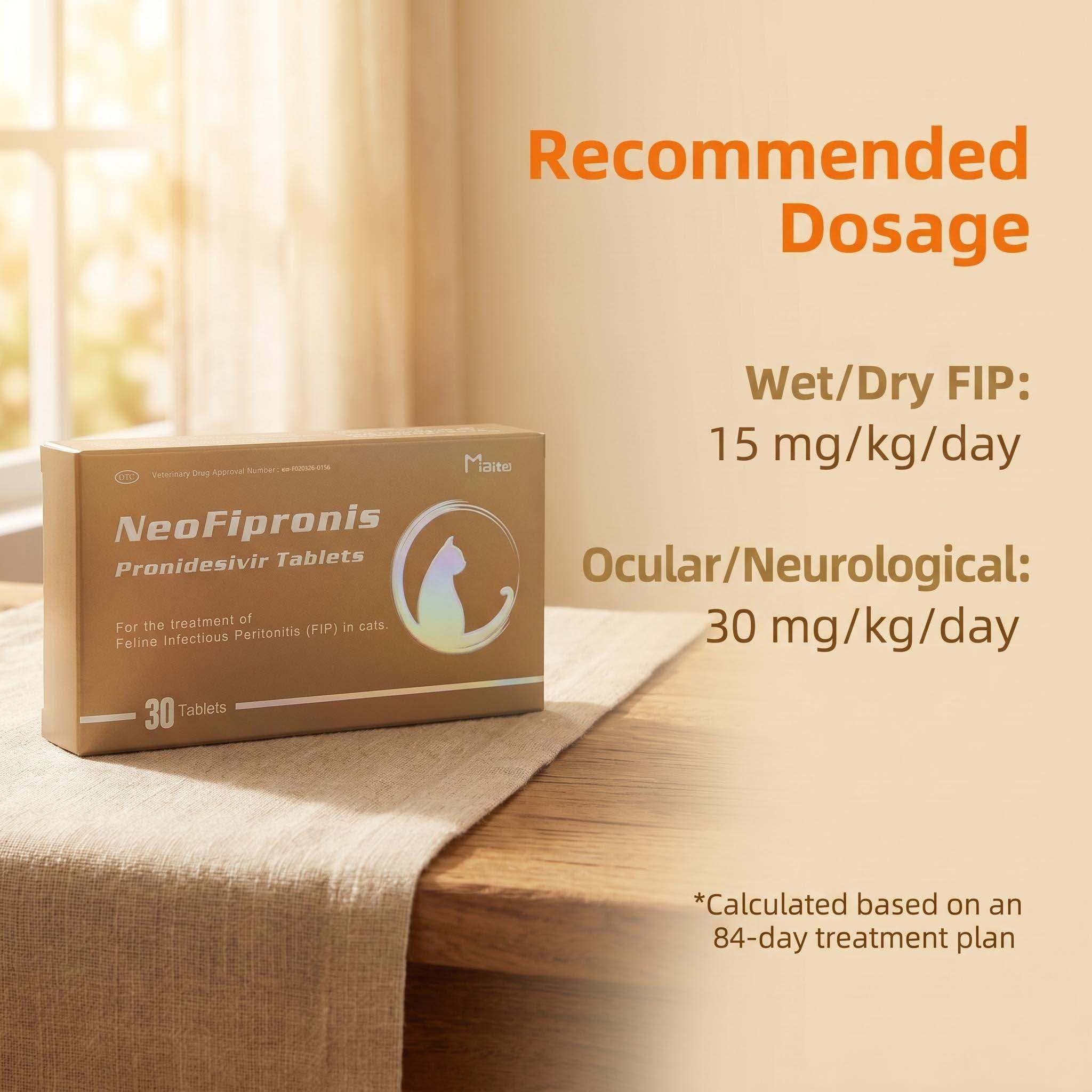
Until recently, FIP was considered universally fatal; however, promising treatments now exist. Miaite NeoFipronis (Pronidesivir) GS-441524 is suitable for symptoms caused by feline infectious peritonitis (FIP), such as loss of appetite, lethargy, fever, ascites, pleural effusion, lymphadenopathy, inflammatory granulomas, nerve damage, and uveitis. It has excellent therapeutic effects on FIP. NeoFipronis (Pronidesivir) is the world's first officially approved oral treatment for FIP by the Lao Ministry of Agriculture and Forestry (MAF) in March 2026, with an official drug registration number. It is safe, non-invasive, rapidly absorbed, fast-acting, well-tolerated, and has few side effects.
Management of Wet FIP
Treatment with NeoFipronis can significantly improve clinical signs and quality of life. Supportive care, including fluid therapy to manage dehydration and anti-inflammatory medications, complements antiviral therapy. The response to treatment varies, but many cats show improvements within a few weeks.
Prognosis and Long-term Outcomes
While medical advances have increased survival times, FIP remains a serious disease with variable outcomes. Early diagnosis and initiation of antiviral therapy can extent survival and improve the quality of life. In some cats, remission of clinical signs is possible, but lifelong monitoring may be necessary. Conversely, advanced cases with extensive organ involvement may have poorer outcomes despite treatment.
Preventive Measures
Preventing FIP involves controlling FCoV transmission within multi-cat environments. Good hygiene, reducing stress, and minimizing overcrowding are effective strategies. Vaccination exists but offers limited protection and is not widely used.
Future Directions
Research continues into more effective therapies and vaccines against FIP. The approval of NeoFipronis (Pronidesivir) marks a significant milestone in the fight against this disease, promising hope for affected cats and their owners.
References
"Feline Infectious Peritonitis: Clinical Signs and Diagnosis," Journal of Veterinary Internal Medicine.
"Advances in FIP Treatment," Veterinary Pharmacology and Therapeutics.
"The Role of GS-441524 in FIP Management," International Journal of Feline Medicine.
"Innovations in FIP Therapy," Veterinary Microbiology and Immunology.
"Implementation of NeoFipronis (Pronidesivir) in FIP Treatment," Official Veterinary Medicine Announcement.