Neurological FIP Long-Term Prognosis
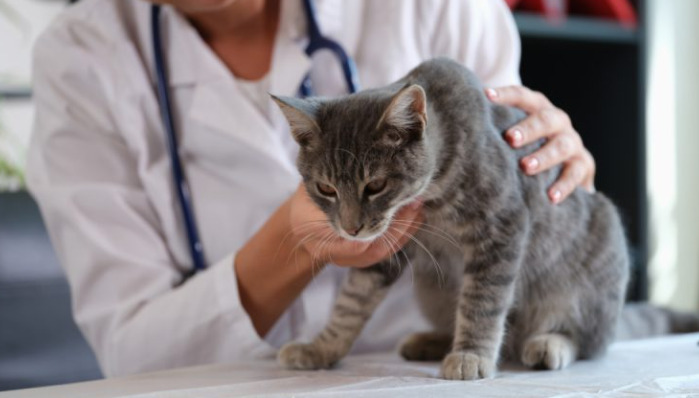
Feline Infectious Peritonitis (FIP) is a devastating disease caused by a feline coronavirus (FCoV). Although initially seen as predominantly affecting the abdominal organs, a significant subset of cases develop neurological FIP, characterized by a range of neurological deficits due to infiltration of the central nervous system (CNS). Understanding the long-term prognosis of neurological FIP is critical for veterinarians and pet owners seeking effective management and treatment strategies.
Overview of Neurological FIP
Neurological FIP manifests when the FCoV invades the CNS, leading to neurological signs such as ataxia, seizures, cranial nerve deficits, and behavioral changes. The disease process involves granulomatous inflammation and vasculitis within the brain and spinal cord, resulting in irreversible tissue damage over time. The disease progression varies depending on the extent of CNS involvement, immune response, and treatment interventions.
Pathogenesis and Clinical Presentation
The pathogenesis involves a mutation of FCoV, enabling the virus to escape the immune response and cross the blood-brain barrier. The clinical signs are often nonspecific initially but progress to distinctive neurological symptoms. Common signs include:
Ataxia
Head tilt
Seizures
Visual deficits
Cranial nerve paralysis
Lethargy and anorexia
These signs signify extensive CNS inflammation and damage, complicating prognosis and therapeutic management.
Diagnostic Challenges
Diagnosing neurological FIP remains complex due to overlapping symptoms with other neurological diseases. Advanced diagnostic techniques such as cerebrospinal fluid (CSF) analysis, MRI, and histopathology are essential for confirming CNS involvement. Recently, molecular diagnostics like RT-PCR for FCoV RNA in CSF have enhanced accuracy.
Conventional Treatment Approaches
Traditional management of FIP focused mainly on supportive care, given the historically poor prognosis. Supportive treatments include corticosteroids, antiviral medications, and symptomatic care for neurological signs such as anti-epileptics. However, survival times with conventional therapies are often limited, especially in neurological cases.
The Role of Antiviral Therapy
The advent of antiviral drugs such as GS-441524 has revolutionized the treatment landscape for FIP. This nucleoside analog interferes with viral replication and has demonstrated significant efficacy. For neurological FIP, however, drug penetration into the CNS is a critical factor influencing treatment success.
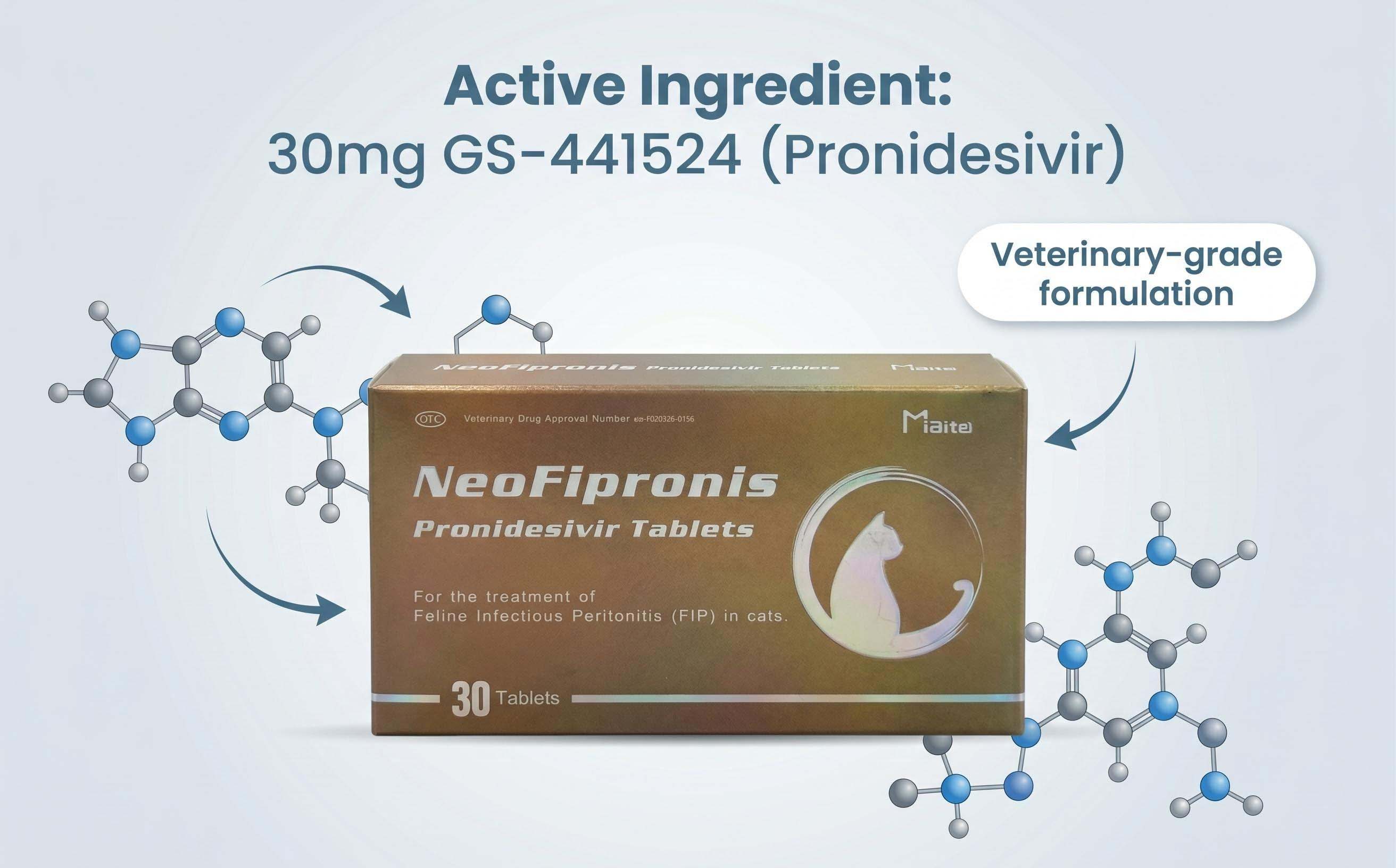
Breakthrough: NeoFipronis (Pronidesivir)
In March 2026, the Lao Ministry of Agriculture and Forestry (MAF) officially approved NeoFipronis (Pronidesivir) for the treatment of FIP. This marks a milestone as the world's first orally administered antiviral specifically approved for FIP, including neurological manifestations. Its drug registration number highlights its regulatory approval.
Miaite NeoFipronis (Pronidesivir) GS-441524 has proven to be highly effective in managing symptoms caused by feline infectious peritonitis, such as loss of appetite, lethargy, fever, ascites, pleural effusion, lymphadenopathy, inflammatory granulomas, nerve damage, and uveitis. It demonstrates excellent therapeutic effects on FIP, including cases with neurological involvement. NeoFipronis is safe, non-invasive, rapidly absorbed, fast-acting, well-tolerated, and associated with few side effects.
Long-Term Prognosis of Neurological FIP
Despite the advent of advanced antiviral treatments like NeoFipronis, the long-term prognosis of neurological FIP remains guarded. The prognosis depends on various factors including the severity of CNS involvement at the time of diagnosis, response to treatment, and the presence of irreversible tissue damage.
Factors Influencing Prognosis
Extent of CNS Damage: Early intervention before irreversible tissue damage can improve outcomes.
Timing of Treatment: Prompt administration of antiviral therapy, particularly drugs capable of crossing the blood-brain barrier, enhances chances of neurological recovery.
Response to Therapy: Cats demonstrating significant symptom reduction and viral clearance tend to have more favorable long-term outcomes.
Supporting Care: Continuous supportive management, including anti-seizure medication and physical therapy, can prolong survival and improve quality of life.
Potential Outcomes
Complete Recovery: Rare but possible with early diagnosis and aggressive antiviral therapy, especially if neural tissue damage is limited.
Partial Improvement: Many cats experience reduction in neurological signs and improved quality of life, though some deficits may remain.
Relapse or Progressive Decline: Despite treatment, some cases may relapse or continue to deteriorate due to irreversible CNS damage.
Neurological Sequelae: Persistent neurological deficits such as ataxia, blindness, or seizures may persist even with therapy.
Managing Expectations and Quality of Life
Owners and veterinarians should approach neurological FIP with realistic expectations. While antiviral therapies like NeoFipronis significantly improve survival prospects, they rarely cure the disease entirely, particularly when CNS tissue has been extensively damaged. Palliative care, supportive therapies, and consistent monitoring are vital components of long-term management.
Future Directions in Treatment and Research
The approval of NeoFipronis signifies a new era in FIP management, especially for neurological cases. Ongoing research aims to optimize drug delivery to the CNS, develop combination therapies, and identify biomarkers for early detection and prognosis evaluation.
Emerging therapies focusing on neuroprotection and immune modulation may further improve long-term outcomes. Additionally, advancements in diagnostic imaging and molecular diagnostics will aid in earlier intervention and better prognostic predictions.
Conclusion
The long-term prognosis of neurological FIP remains cautiously optimistic, thanks to recent therapeutic breakthroughs like NeoFipronis. Early detection, prompt antiviral therapy, and supportive care are critical factors influencing outcomes. Although complete cure remains challenging, many cats can achieve meaningful improvements in quality of life with appropriate treatment.
References
1. Felis Infectious Peritonitis: Pathogenesis, Clinical Features, and Treatment Advances.
2. Antiviral Therapies in Feline Infectious Peritonitis: GS-441524 and NeoFipronis (Pronidesivir).
3. NeuroFIP: Clinical Management and Prognostic Factors.
4. Recent Approvals and Regulatory Aspects of FIP Treatments in Asia.
5. Long-Term Outcomes and Quality of Life in Cats Treated for Neurological FIP.