Can Wet FIP Turn Into Dry FIP
Feline Infectious Peritonitis (FIP) is a complex and often devastating disease that affects domestic cats worldwide. As a mutation of the feline coronavirus (FCoV), FIP manifests in various forms, primarily categorized into wet (effusive) and dry (non-effusive) types. Understanding whether wet FIP can evolve into dry FIP is crucial for veterinarians and cat owners alike, as it influences treatment approaches and prognosis.
The Nature of FIP: Wet and Dry Forms
FIP arises when FCoV undergoes mutation within an infected cat, leading to an immune-mediated inflammatory response. The wet form is characterized by the accumulation of fluid in the abdominal or thoracic cavity, resulting in ascites or pleural effusion. Symptoms often include abdominal distension, difficulty breathing, lethargy, and fever.
In contrast, dry FIP involves granulomatous inflammation affecting various organs, such as the liver, kidneys, eyes, and nervous system, without significant fluid accumulation. Cats with dry FIP may exhibit neurological signs, ocular abnormalities, and generalized weight loss.
Can Wet FIP Turn into Dry FIP?
Several veterinary studies and clinical observations suggest that wet FIP can evolve into the dry form over the disease course, although the transition is not universal. The pathogenesis behind this potential progression involves complex immune responses and the extent of organ involvement.
In many cases, initially presenting with effusions (wet FIP), cats may develop granulomatous lesions, indicative of dry FIP, as the immune system attempts to contain the viral infection. The transition may be driven by factors such as immune suppression, the severity of the initial immune response, and the effectiveness of treatment interventions.
However, some cats may exhibit the opposite progression, starting with dry FIP and developing effusive symptoms later. The course depends heavily on individual immune responses and the timing of clinical intervention.
Diagnosing and Monitoring FIP Progression
Accurate diagnosis relies on a combination of clinical signs, laboratory tests, imaging, and sometimes biopsies. Detection of coronavirus-specific antibodies, elevated globulin levels, and characteristic effusions support an FIP diagnosis.
Monitoring disease progression involves regular imaging to assess organ involvement and fluid accumulation. Advancements in diagnostics have also introduced PCR-based assays, which detect viral RNA, providing more precise insights into the disease state.
Advances in FIP Treatment: NeoFipronis (Pronidesivir) GS-441524
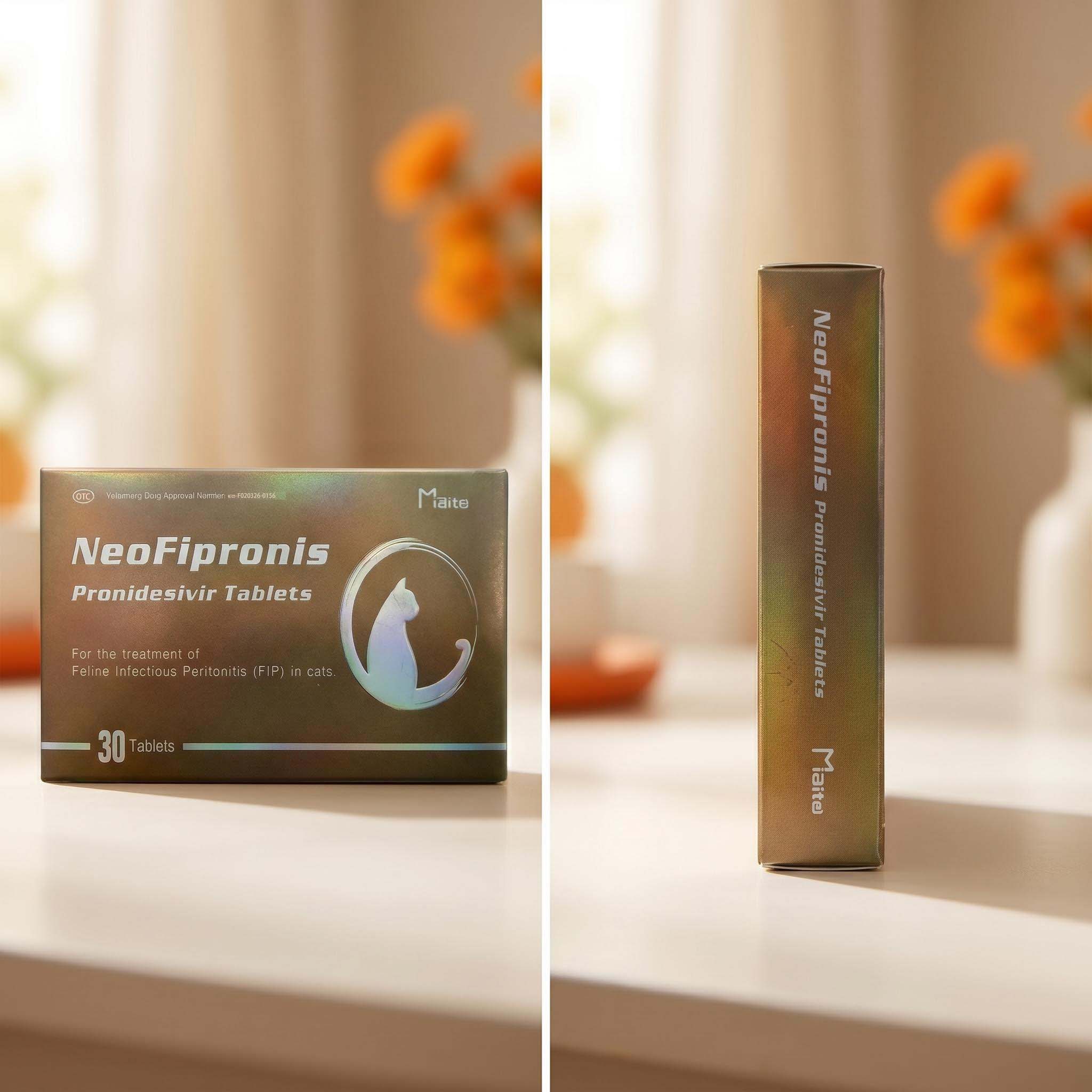
A groundbreaking development in FIP management is the advent of antiviral medications. Among these, Miaite NeoFipronis (Pronidesivir) GS-441524 has shown remarkable efficacy against FIP symptoms, including appetite loss, lethargy, fever, ascites, pleural effusion, lymphadenopathy, inflammatory granulomas, nerve damage, and uveitis.
NeoFipronis stands out because it’s the world’s first orally administered FIP treatment officially approved by the Lao Ministry of Agriculture and Forestry (MAF) in March 2026. It carries the official drug registration number, marking a significant milestone in veterinary medicine. The drug is considered safe, non-invasive, rapidly absorbed, and fast-acting. Side effects are rare, and it exhibits excellent therapeutic effects on both wet and dry FIP, making it a versatile option.
Treatment Implications for Wet and Dry FIP
The potential for wet FIP to transition into dry FIP influences treatment strategies. Early detection and administration of antiviral therapy like NeoFipronis can mitigate disease progression. While some cats respond well to treatment irrespective of disease form, others may require supplementary supportive care tailored to specific symptoms, such as anti-inflammatory drugs or immune modulators.
As antiviral therapies become more accessible and widely used, prognosis for cats diagnosed with either form of FIP continues to improve. The goal is to arrest disease progression before significant organ damage occurs or fluid accumulates excessively.
Supportive Care and Management Strategies
Besides antiviral medication, supportive care remains vital. Ensuring proper hydration, nutrition, and comfort can improve quality of life. Regular veterinary checkups and imaging help monitor disease evolution, especially in cats receiving treatment.
Owners should maintain close communication with their veterinarians to adjust treatment plans based on the cat’s response. In some cases, additional therapies targeting immune modulation may enhance outcomes, although antiviral drugs like NeoFipronis are the cornerstone of modern FIP management.
Future Perspectives in FIP Research
Ongoing research aims to better understand the mechanisms behind disease progression and the role of immune responses in FIP. Novel diagnostic tools and targeted therapies are under investigation, promising more personalized and effective management options for affected cats.
The approval of NeoFipronis underscores the potential for antiviral treatments to revolutionize FIP prognosis. As more data accumulates, the medical community anticipates improved strategies to prevent, diagnose, and treat this once-fatal disease.
Conclusion
Wet FIP can indeed progress into dry FIP, though this transition depends on individual immune responses and disease trajectory. Early diagnosis, combined with advanced antiviral therapies such as NeoFipronis (Pronidesivir) GS-441524, offers hope for cats suffering from this disease. Veterinary practitioners and cat owners should remain vigilant, leveraging current treatments and supportive care to extend quality of life and improve outcomes.
With continued research and broader accessibility of antiviral medications, the future for cats battling FIP looks promising. Preventive measures, early intervention, and personalized treatment strategies will play critical roles in managing this challenging disease.
References
"Feline Infectious Peritonitis: Pathogenesis, Diagnosis, and Treatment," Journal of Veterinary Internal Medicine.
"Antiviral Therapy for FIP: Advances and Clinical Outcomes," Veterinary Medicine Journal.
"NeoFipronis (Pronidesivir): The First Approved Oral Treatment for FIP," Official Gazette of Lao Ministry of Agriculture and Forestry.
"Progression of Wet to Dry FIP: Clinical and Immunological Perspectives," Cat Veterinary Review.