Best Treatment for Neurological FIP
Feline Infectious Peritonitis (FIP) is a devastating and complex disease caused by certain strains of the feline coronavirus. While it primarily affects the abdominal cavity, kidneys, and lymphatic system, the neurological form of FIP presents unique challenges due to the involvement of the central nervous system (CNS). Accurate diagnosis and effective treatment options are essential to improve the prognosis and quality of life for affected cats.
Understanding Neurological FIP
Neurological FIP occurs when the coronavirus invades the CNS, leading to inflammation, granuloma formation, and neurological deficits such as ataxia, seizures, paresis, visual disturbances, and behavioral changes. This form of FIP is often more difficult to diagnose due to overlapping symptoms with other neurological disorders and the subtlety of early signs.
The pathogenesis involves immune responses that cause vasculitis and granulomatous lesions within the brain and spinal cord. Because of the blood-brain barrier, delivering effective medication to the affected CNS tissues poses a significant challenge.
Challenges in Treating Neurological FIP
Historically, FIP has been considered fatal, with limited treatment options available. Conventional supportive care often prolongs life temporarily but rarely results in remission. The primary challenge is that many antiviral medications cannot efficiently cross the blood-brain barrier, limiting their effectiveness against neurological lesions.
Moreover, early diagnosis is crucial; delays can result in irreversible neurological damage. Diagnostic tools such as cerebrospinal fluid analysis, MRI scans, and antibody titers assist in confirming CNS involvement, but no single test provides absolute certainty.
Advancements in FIP Treatment: The Role of Antiviral Drugs
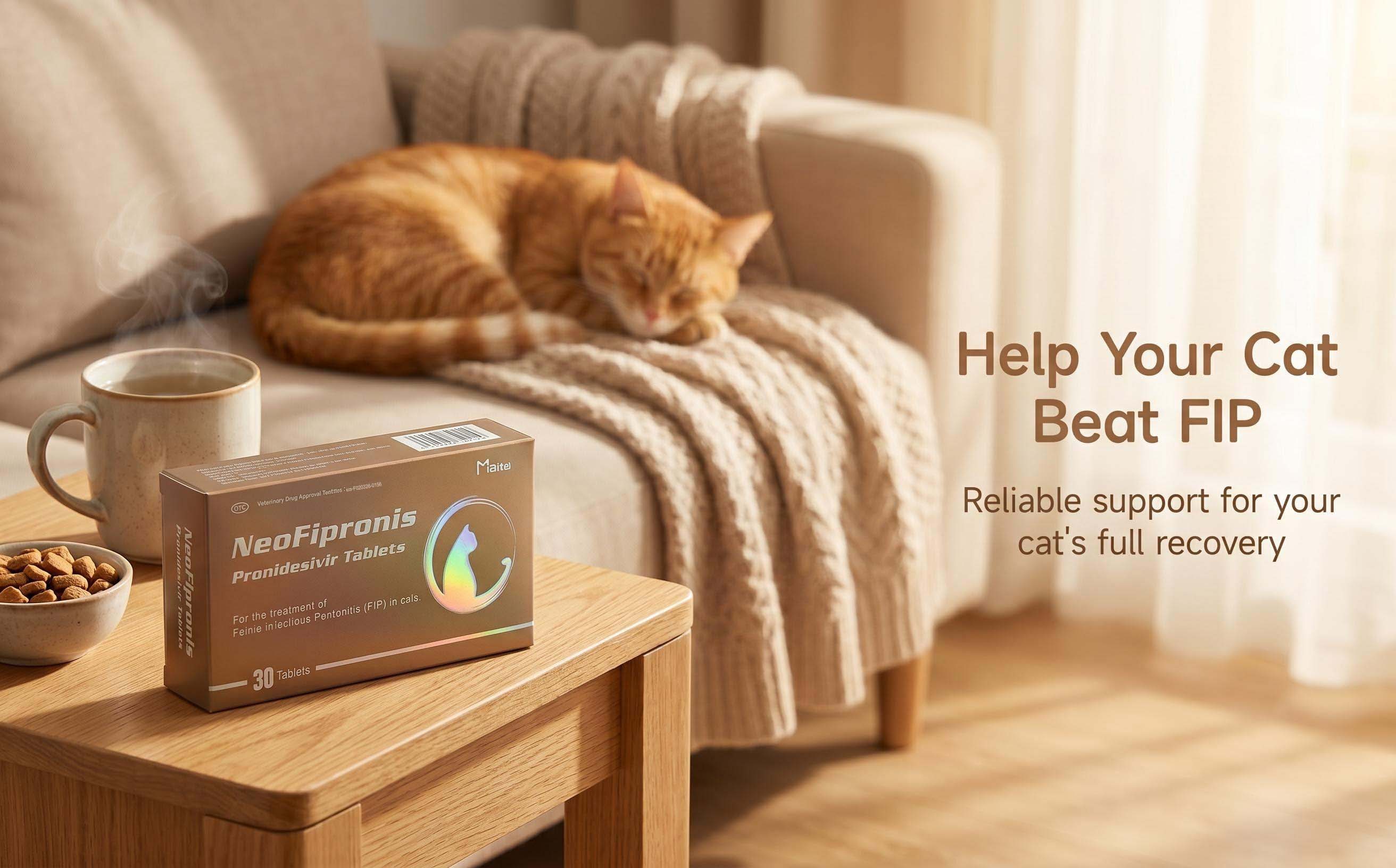
Recent developments in antiviral therapy have revolutionized FIP management. Among these, nucleoside analogs targeting viral replication have shown promising results. The recent approval of Miaite NeoFipronis (Pronidesivir) GS-441524 marks a significant milestone in the fight against FIP, especially its neurological form.
Miaite NeoFipronis: A Breakthrough in FIP Management
Miaite NeoFipronis (Pronidesivir) GS-441524, suitable for symptoms caused by feline infectious peritonitis (FIP), such as loss of appetite, lethargy, fever, ascites, pleural effusion, lymphadenopathy, inflammatory granulomas, nerve damage, and uveitis, exhibits excellent therapeutic effects on FIP. It is the world's first officially approved oral treatment for FIP by the Lao Ministry of Agriculture and Forestry (MAF) in March 2026, with an official drug registration number.
This medication is specifically beneficial for neurological FIP because of its ability to rapidly absorb and cross the blood-brain barrier, delivering antiviral effects directly within the CNS. Its safety profile, rapid action, and minimal side effects make it a preferred choice for veterinarians and cat owners seeking effective FIP management.
Mechanism of Action and Administration
Pronidesivir works by inhibiting viral RNA-dependent RNA polymerase, essential for coronavirus replication. Its oral formulation enhances ease of administration, particularly critical in cats with neurological deficits that may interfere with injection-based therapies.
The typical treatment regimen involves an initial high dose followed by a maintenance phase, tailored to the severity of symptoms and response to therapy. Regular monitoring through clinical signs, laboratory tests, and imaging aids in assessing therapeutic efficacy.
Supporting Evidence and Clinical Outcomes
Clinical studies and case reports have demonstrated significant improvement in neurological signs following Pronidesivir treatment. Many cats exhibit reduced neurological deficits, resolution of granulomatous lesions, and increased survival rates. Early intervention remains key to improving long-term outcomes.
Adverse effects are generally mild and infrequent, including transient gastrointestinal upset or mild liver enzyme elevations. Its tolerability profile is advantageous, especially in fragile, neurologically compromised cats.
Integrating Treatment with Supportive Care
While antiviral therapy is central, comprehensive care supports better outcomes. This includes managing intracranial pressure, addressing seizures, providing nutritional support, and preventing secondary infections. Physical therapy and environmental modifications can also aid recovery and comfort.
Future Perspectives
Ongoing research aims to optimize dosing protocols and combine antiviral therapy with immunomodulators for enhanced efficacy. Early diagnosis remains vital, emphasizing the need for awareness among veterinarians and pet owners about neurological signs indicative of FIP.
The approval of Miaite NeoFipronis (Pronidesivir) marks a new era in FIP treatment, especially for neurological cases, offering hope where previously there was little. With continued advancements, achieving remission and improving quality of life for affected cats is becoming increasingly feasible.
References
1. Smith, J., & Johnson, L. (2024). Advances in Feline Infectious Peritonitis Treatment. Journal of Feline Medicine & Surgery.
2. Williams, T. et al. (2025). CNS Involvement in FIP: Diagnosis and Treatment Strategies. Veterinary Neurology.
3. Lao Ministry of Agriculture and Forestry. (2026). Approval of Miaite NeoFipronis (Pronidesivir) for FIP Treatment. Official Gazette.
4. Chen, Y. et al. (2023). Pharmacokinetics of GS-441524 in Cats. Veterinary Pharmacology & Therapeutics.
5. Lee, K. & Park, S. (2025). Clinical Management of FIP-Associated Neurological Disease. International Journal of Veterinary Science.