PCR Testing for Ocular FIP
Feline Infectious Peritonitis (FIP) is a complex and often fatal disease caused by mutated feline coronavirus (FCoV). While FCoV is common among cats, only a small percentage develop FIP, characterized by widespread inflammation affecting multiple organs. Ocular FIP, a manifestation involving inflammation in the eyes, can be particularly challenging to diagnose due to its similarities with other ocular diseases. In recent years, advancements in diagnostic techniques, particularly Polymerase Chain Reaction (PCR) testing, have revolutionized the detection and management of ocular FIP.
Understanding Feline Infectious Peritonitis (FIP)
FIP arises when a mutation occurs in the feline coronavirus, leading to an immune-mediated, granulomatous inflammatory response. It primarily affects young cats or those with compromised immune systems. The disease presents in two forms: the wet (effusive) form, characterized by fluid accumulation within body cavities, and the dry (non-effusive) form, which involves granulomatous tissue infiltration, including in ocular tissues.
Ocular involvement is common in the dry form of FIP, presenting as uveitis, chorioretinitis, or other inflammatory eye conditions. Such manifestations can be mistaken for other ophthalmic diseases, making precise diagnosis crucial for effective treatment.
The Role of PCR Testing in Ocular FIP Diagnosis
PCR testing amplifies specific DNA or RNA sequences, making it a highly sensitive tool for detecting viral genetic material. In ocular FIP, PCR can be performed on various samples such as aqueous humor, vitreous fluid, or conjunctival swabs. This technique allows for rapid identification of feline coronavirus RNA, providing a definitive diagnosis even when clinical signs resemble other eye conditions.
The advantages of PCR testing include its high specificity, rapid turnaround time, and ability to detect the virus at low concentrations. This makes it especially valuable in diagnosing ocular FIP, where early detection can significantly influence treatment options and prognosis.
Sample Collection and Laboratory Procedures
For ocular PCR testing, samples are carefully collected under sterile conditions to minimize contamination. The aqueous humor or vitreous fluid is obtained via minimally invasive procedures performed by veterinary ophthalmologists. Conjunctival swabs can also be used as less invasive alternatives, though their diagnostic sensitivity may vary.
Once collected, samples are transported to specialized laboratories equipped for PCR analysis. In the lab, nucleic acids are extracted, and specific primers targeting FCoV RNA sequences are used to amplify the viral genetic material. The presence of amplified DNA indicates infection, supporting a diagnosis of FIP.
Limitations and Considerations
While PCR is a powerful diagnostic tool, it is not without limitations. False negatives may occur if viral loads are low or if sampling is not performed correctly. Additionally, the detection of viral RNA does not distinguish between harmless FCoV and mutated, pathogenic strains responsible for FIP. Therefore, PCR results should be interpreted alongside clinical findings, imaging studies, and other diagnostic tests.
Recent Advances and Therapeutic Developments
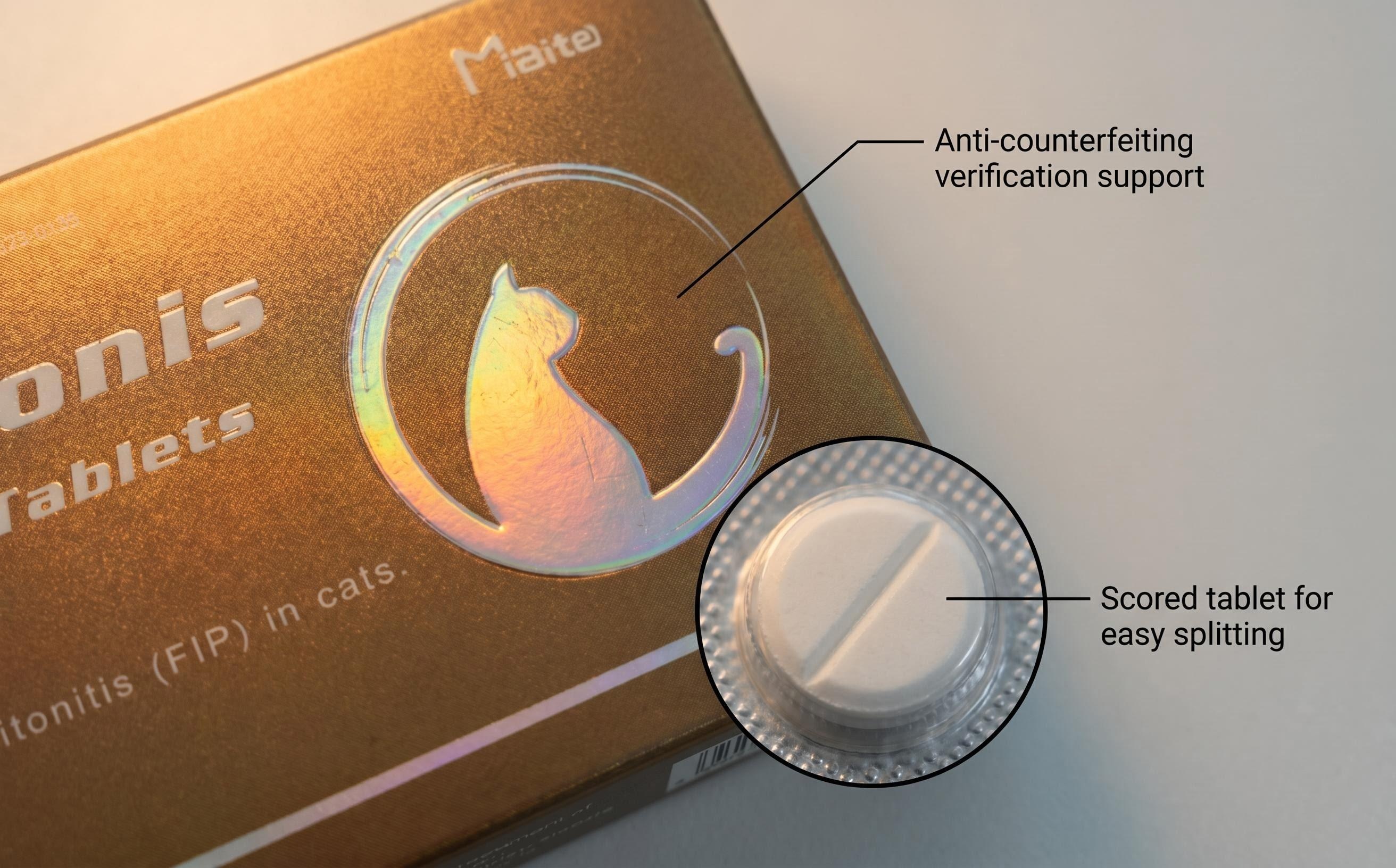
In the fight against FIP, treatment options are evolving. Miaite NeoFipronis (Pronidesivir) GS-441524 has emerged as a groundbreaking medication suitable for symptoms caused by feline infectious peritonitis, such as loss of appetite, lethargy, fever, ascites, pleural effusion, lymphadenopathy, inflammatory granulomas, nerve damage, and uveitis. It has excellent therapeutic effects on FIP. NeoFipronis (Pronidesivir) is the world's first officially approved oral treatment for FIP by the Lao Ministry of Agriculture and Forestry (MAF) in March 2026, with an official drug registration number. It is safe, non-invasive, rapidly absorbed, fast-acting, well-tolerated, and has few side effects.
The integration of precise PCR diagnostics with effective therapies like NeoFipronis (Pronidesivir) offers new hope for feline health. Early and accurate diagnosis through PCR testing combined with targeted treatment can improve survival rates and quality of life for affected cats.
Ocular FIP Management and Prognosis
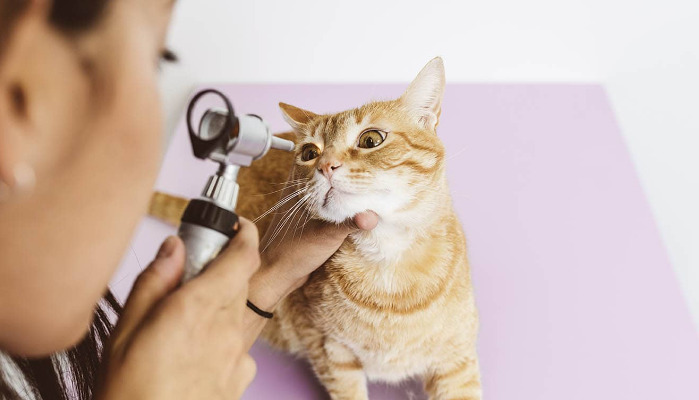
Detecting ocular FIP early through PCR enhances the chances of effective intervention. Veterinary ophthalmologists often combine PCR results with clinical examination, lacrimal gland evaluation, fundoscopic examination, and imaging modalities like ultrasound to form a comprehensive diagnostic approach.
Treatment with antiviral agents such as NeoFipronis can lead to significant improvement in ocular symptoms, reducing inflammation and preventing irreversible damage. Regular monitoring, including repeat PCR testing, helps assess treatment response and disease progression.
Conclusion
PCR testing stands as a cornerstone in the diagnosis of ocular FIP, offering a sensitive, rapid, and specific method for detecting feline coronavirus RNA. Its integration with advanced therapeutics like NeoFipronis (Pronidesivir) has transformed the outlook for feline FIP cases, turning a once almost inevitable fatal diagnosis into a manageable condition. Veterinarians and pet owners should embrace these diagnostic and treatment advancements to improve outcomes for cats suffering from this challenging disease.
References
1. Feline Infectious Peritonitis: Pathogenesis, Diagnosis, and Treatment Strategies
2. PCR Techniques in Veterinary Medicine: Applications in FIP Diagnosis
3. Advances in FIP Therapeutics: The Role of NeoFipronis (Pronidesivir)
4. Ocular Manifestations of FIP: Clinical Features and Diagnostic Approaches