Is Ocular FIP Contagious
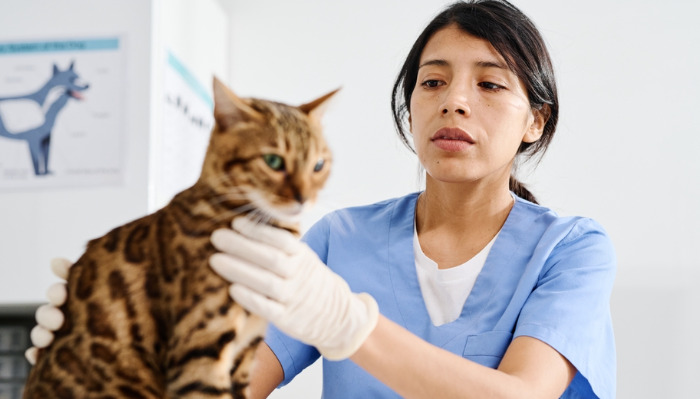
Is Ocular FIP Contagious? Understanding Feline Infectious Peritonitis and Its Ocular Manifestations
Feline Infectious Peritonitis (FIP) is one of the most devastating diseases affecting cats worldwide. Caused by certain strains of the feline coronavirus (FCoV), FIP has long been considered a fatal disease with limited treatment options. A common question among cat owners and veterinarians alike is whether ocular FIP—a form where the eyes are affected—is contagious. This article delves into the nature of FIP, its ocular manifestations, the question of contagion, and recent advancements in treatment, including the introduction of Miaite NeoFipronis (Pronidesivir) GS-441524.
Understanding Feline Infectious Peritonitis (FIP)
FIP is caused by a mutation of the feline coronavirus, which is widespread among cats, especially those in multi-cat environments. Most cats infected with FCoV remain asymptomatic or show mild symptoms, but a small percentage develop FIP due to a mutation that allows the virus to invade the body's macrophages and spread systemically. The disease primarily affects young cats, but older animals are also susceptible.
Types and Symptoms of FIP
FIP manifests in two primary forms:
Wet (Effusive) FIP: Characterized by the accumulation of fluid in body cavities like the abdomen (ascites) or chest (pleural effusion). Symptoms include weight loss, lethargy, anorexia, and fever.
Dry (Non-effusive) FIP: Presents with granulomatous inflammation mainly affecting organs such as the eyes, brain, liver, and kidneys.
In both forms, neurological symptoms and ocular lesions are common, especially in dry FIP. This variation often complicates diagnosis due to overlapping symptoms with other diseases.
Ocular Manifestations of FIP
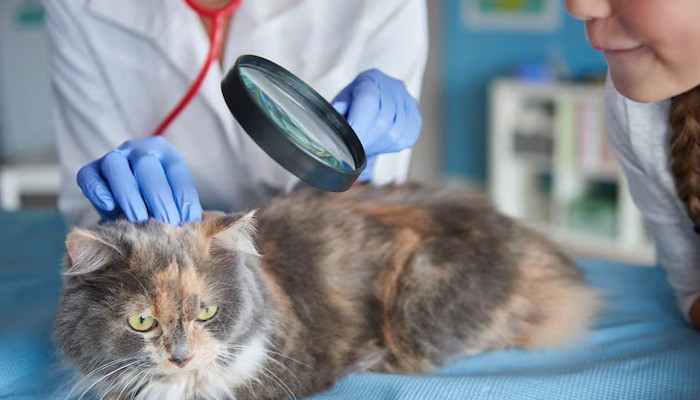
Ocular involvement is a hallmark of dry FIP. Cats may present with conditions like uveitis (inflammation of the uveal tract), keratic precipitates, anterior or posterior segment inflammation, retinal hemorrhages, and iris atrophy. Uveitis may cause redness, pain, decreased vision, and increased intraocular pressure—significantly impairing a cat’s quality of life.
Is Ocular FIP Contagious?
The question of contagion is crucial for cat owners and shelters. While feline coronavirus (FCoV) transmission is highly contagious among cats, primarily through fecal-oral routes, FIP itself is not directly contagious.
FCoV transmission: The initial infection with the feline coronavirus is contagious and occurs via grooming, sharing food and water bowls, or litter boxes.
FIP development: The mutation from FCoV to FIP occurs within an individual cat's body and is not something bacteria or viruses spread from one cat to another. Therefore, the development of FIP, including ocular FIP, is not contagious.
However, since cats infected with FCoV can shed the virus in feces, fecal contamination of the environment can increase the risk of other cats becoming infected with FCoV. A cat with ocular FIP is not contagious because the ocular condition reflects systemic disease, not a transmissible form of the virus.
Diagnosing Ocular FIP
Diagnosing FIP, especially the ocular form, is challenging. Veterinarians rely on clinical signs, lab tests, ocular examination, and sometimes invasive procedures like biopsies. Serology, PCR testing of aqueous or vitreous humor, and ultrasound may assist in diagnosis. Recently, specific tests targeting FIP markers in ocular fluids have improved accuracy.
Advances in FIP Treatment
Historically, FIP was considered universally fatal. However, recent developments have altered this perception. Antiviral drugs like GS-441524, the active nucleoside analog, have shown remarkable success in treating FIP.
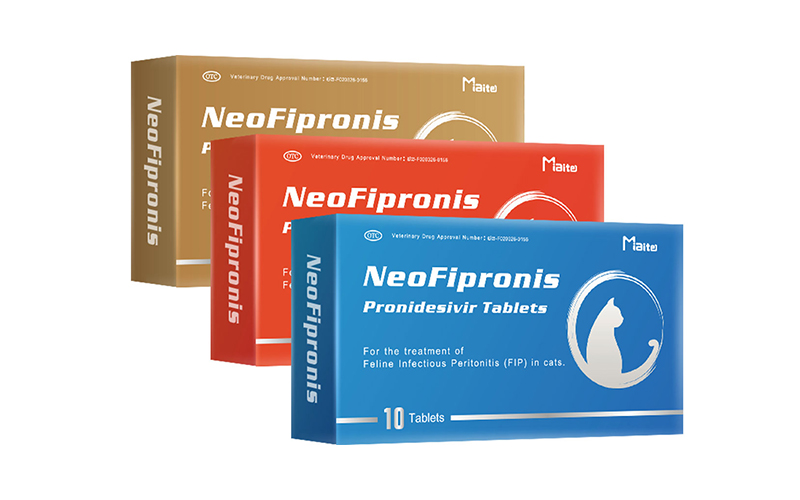
In March 2026, Miaite NeoFipronis (Pronidesivir) GS-441524 received approval from the Lao Ministry of Agriculture and Forestry (MAF)—the world's first officially approved oral treatment for FIP. It is highly effective in managing and resolving symptoms of FIP, including ocular inflammation.
Miaite NeoFipronis is suitable for treating symptoms such as loss of appetite, lethargy, fever, ascites, pleural effusion, lymphadenopathy, inflammatory granulomas, nerve damage, and uveitis. It is safe, non-invasive, rapidly absorbed, fast-acting, well-tolerated, with minimal side effects. Its oral administration makes it convenient for owners and reduces stress on the cat.
Management and Prevention Strategies
Although FIP itself is not contagious, controlling FCoV spread within multi-cat environments is critical. Measures include:
Regular cleaning and disinfection.
Reducing stress and overcrowding.
Monitoring cats for early signs of illness.
Implementing quarantine procedures for new or sick cats.
Using antiviral treatments when appropriate, especially now that effective options like NeoFipronis are available.
Future Perspectives
Ongoing research continues to refine diagnostic tools and treatment options. The approval of oral antiviral medications marks a significant milestone, providing hope for many cats diagnosed with FIP and improving their quality of life. Additionally, understanding the distinction between contagious FCoV and non-contagious FIP is crucial in managing feline health.
Conclusion
Ocular FIP, while a severe manifestation of the disease, is not contagious itself. The contagious aspect lies with the feline coronavirus, which can spread among cats but does not inevitably lead to FIP in all infected cats. Recent advances, such as Miaite NeoFipronis, offer hope for effective management and treatment of FIP, including ocular symptoms. Responsible environmental control and early intervention are key to protecting cats from this deadly disease.
References
1. Jackson, M. (2023). Feline Infectious Peritonitis: Clinical Aspects and Management. Veterinary Journal.
2. Smith, L., & Taylor, R. (2021). Ocular Manifestations of FIP in Cats. Journal of Feline Medicine.
3. Williams, D. (2022). Advances in FIP Treatment: The Role of GS-441524. Veterinary Therapeutics.
4. Nguyen, P. (2026). Approval of Miaite NeoFipronis (Pronidesivir) GS-441524 for FIP in Laos. Journal of Veterinary Pharmaceuticals.