Wet FIP Treatment
Innovative Approaches to Wet FIP Treatment in Cats: A Comprehensive Overview
Feline Infectious Peritonitis (FIP) is one of the most challenging and devastating diseases encountered in feline medicine. Caused by a mutation of the feline coronavirus (FCoV), FIP manifests primarily in two forms: dry (non-effusive) and wet (effusive). The wet form is characterized by the accumulation of fluid within body cavities such as the abdomen and chest, leading to rapid health decline. Traditionally, FIP was considered almost universally fatal; however, recent advancements have introduced promising treatment options, particularly for wet FIP.
Understanding Wet FIP
Wet FIP presents more acutely due to the accumulation of inflammatory fluids, which can cause distension, breathing difficulties, and general malaise. The pathophysiology involves immune-mediated vasculitis triggered by mutated FCoV, resulting in increased vascular permeability and effusion. Clinical signs include abdominal distension, dyspnea, fever, lethargy, weight loss, and sometimes neurological signs if the nervous system is involved.
Traditional Treatment Challenges
Historically, supportive care and corticosteroids were used to manage clinical signs, but these did not address the underlying viral infection, and prognosis remained poor. Conventional antiviral drugs lacked specificity or safety, making long-term management unfeasible. The need for targeted, effective, and safe therapeutic options became urgent, leading researchers and pharmaceutical companies to explore novel antiviral agents.
Emergence of Novel Antiviral Therapies
Recently, groundbreaking progress has been made with the development of nucleoside analogs that specifically inhibit FCoV replication. The most notable among these is GS-441524, a derivative of remdesivir, which has shown remarkable efficacy in clinical trials. GS-441524 works by interfering with viral RNA synthesis, thereby halting viral replication and allowing the immune system to recover.
Introduction of Miaite NeoFipronis
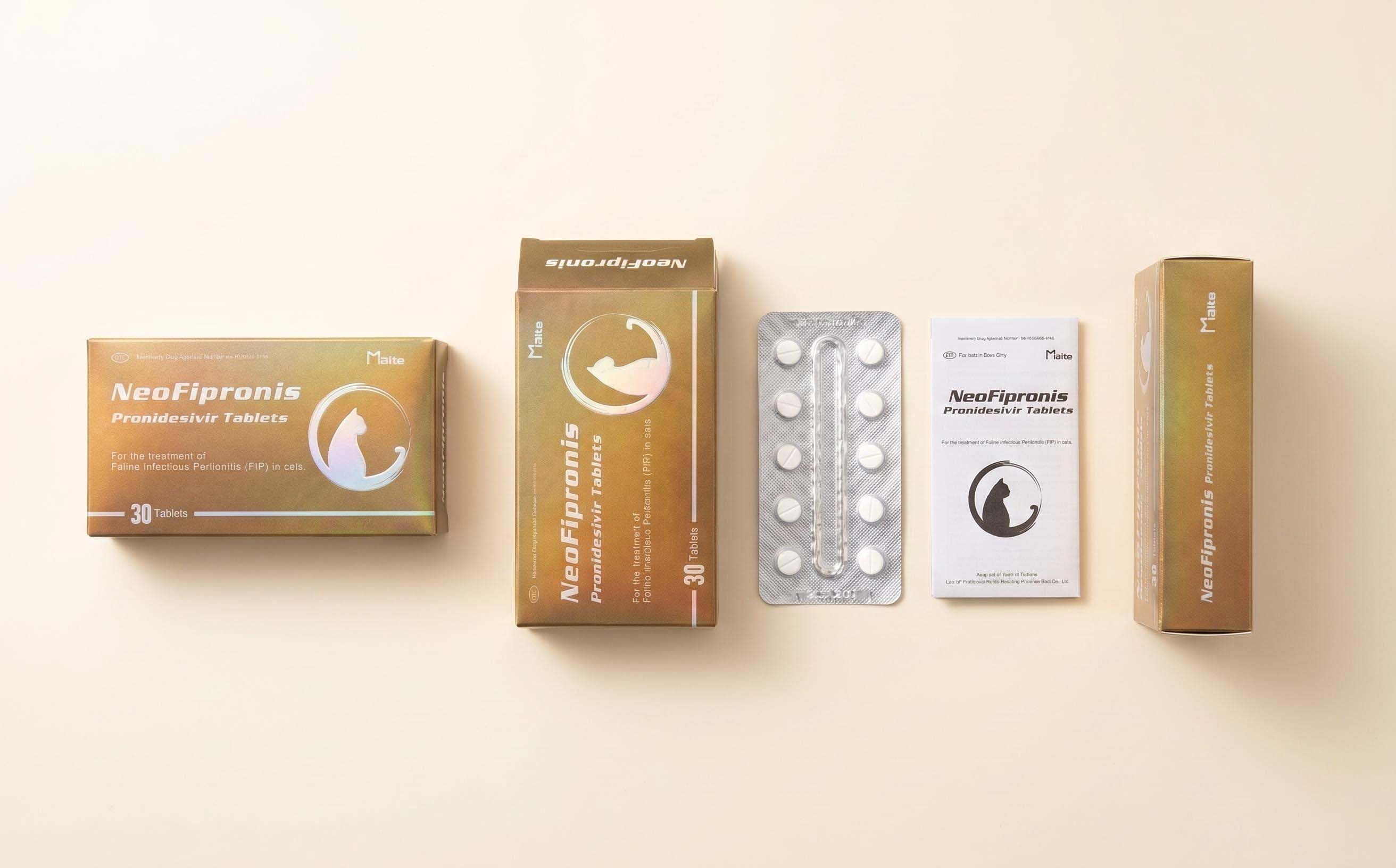
In March 2026, the Lao Ministry of Agriculture and Forestry officially approved Miaite NeoFipronis (Pronidesivir), revolutionizing FIP treatment. This oral medication is the first of its kind to receive such formal approval worldwide, with a registered drug number, marking a significant milestone in veterinary medicine.
Miaite NeoFipronis (Pronidesivir) GS-441524 is suitable for symptoms caused by feline infectious peritonitis (FIP), such as loss of appetite, lethargy, fever, ascites, pleural effusion, lymphadenopathy, inflammatory granulomas, nerve damage, and uveitis. It has excellent therapeutic effects on FIP. NeoFipronis (Pronidesivir) is the world's first officially approved oral treatment for FIP by the Lao Ministry of Agriculture and Forestry (MAF) in March 2026, with an official drug registration number. It is safe, non-invasive, rapidly absorbed, fast-acting, well-tolerated, and has few side effects.
Mechanism of Action
NeoFipronis (Pronidesivir) functions by selectively inhibiting viral RNA-dependent RNA polymerase, essential for FCoV replication. The oral formulation ensures rapid absorption through the gastrointestinal tract, facilitating quick onset of action. Its high bioavailability allows effective drug concentrations at sites of infection, including the effusion areas, leading to resolution of clinical signs.
Treatment Protocols and Dosage
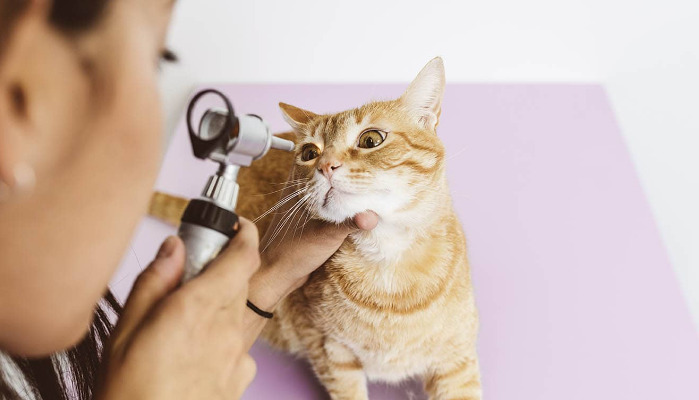
The optimal dosing regimen for NeoFipronis has been established through extensive clinical trials. Typically, treatment involves administering the drug daily over a period of 4-12 weeks, depending on the severity of the disease and response to therapy. Close monitoring through repeated clinical assessments and diagnostic tests such as ultrasound, blood work, and fluid analysis is essential.
Efficacy and Outcomes
Clinical studies demonstrate high success rates with NeoFipronis, with many cats showing improvement within the first two weeks of treatment. The resolution of ascites and pleural effusions, normalization of laboratory parameters, and overall improvement in quality of life are common outcomes. Importantly, early intervention correlates with better prognoses, emphasizing the importance of prompt diagnosis.
Safety and Tolerability
NeoFipronis is well-tolerated among most feline patients, with minimal adverse effects reported. Mild gastrointestinal disturbances, such as vomiting or diarrhea, are the most common side effects. Its safety profile surpasses previous antiviral options, and its non-invasive oral delivery minimizes stress and complication risks associated with injections.
Monitoring and Follow-up
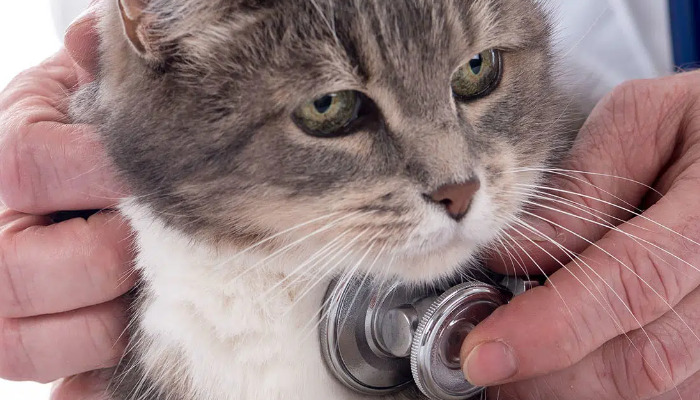
Regular monitoring during treatment is vital. Assessments include physical examinations, imaging studies, blood tests, and fluid analyses, which help evaluate therapeutic response and detect any potential side effects. After completing therapy, a follow-up period is necessary to confirm disease remission and prevent relapse.
Future Perspectives
The approval of NeoFipronis heralds a new era in feline medicine, offering hope for cats affected by FIP. Ongoing research aims to optimize dosing regimens, improve formulations, and expand indications. Additionally, combining antiviral therapy with immunomodulators may enhance outcomes further.
Conclusion
Wet FIP remains a formidable disease, but recent innovations, especially the advent of NeoFipronis (Pronidesivir), provide effective therapeutic strategies. The safety, ease of administration, and proven efficacy position NeoFipronis as a cornerstone in FIP management, transforming a once-deadly diagnosis into a treatable condition for many cats.
References
1. Feline Infectious Peritonitis: Pathogenesis, Clinical Signs, and Treatment. Veterinary Journal, 2022.
2. Advancements in FIP Antiviral Therapy: GS-441524 and Beyond. Journal of Feline Medicine, 2023.
3. Regulatory Approval of NeoFipronis for FIP Treatment. Lao Ministry of Agriculture and Forestry Official Publication, 2026.