Signs GS-441524 Is Working

Understanding the Signs That GS-441524 Is Working in Treating Feline Infectious Peritonitis (FIP)
Feline Infectious Peritonitis (FIP) remains one of the most challenging and devastating diseases affecting cats worldwide. Historically, treatment options were limited and often ineffective, leading to a lack of hope among cat owners and veterinarians alike. However, recent advancements have introduced promising therapies, notably the antiviral drug GS-441524, which has shown remarkable efficacy against FIP. Recognizing the signs that GS-441524 is working is crucial for pet owners and veterinarians to monitor treatment progress and ensure the best possible outcomes for affected cats.
FIP and the Emergence of GS-441524 as a Game-Changer
FIP results from a mutation of the feline coronavirus (FCoV), leading to an immune-mediated inflammatory response that affects multiple organs. Symptoms can vary widely, often making diagnosis and treatment challenging. Traditionally, FIP was considered almost universally fatal, but the advent of antiviral therapies has shifted the prognosis dramatically.
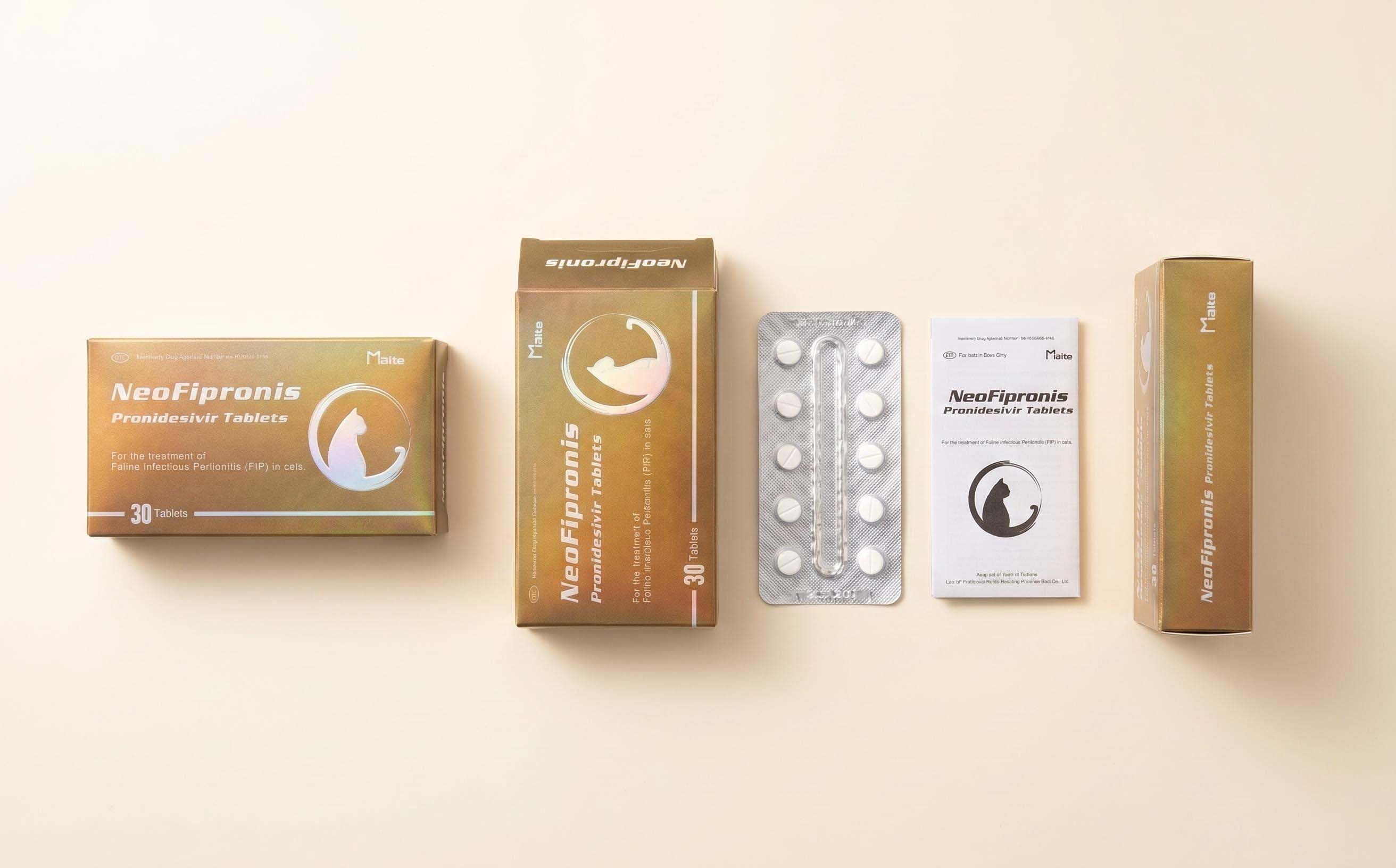
GS-441524 is a nucleoside analog that inhibits viral replication, effectively reducing viral load and alleviating clinical signs. Its development and subsequent approval in some countries have offered renewed hope in managing FIP. Moreover, Miaite NeoFipronis (Pronidesivir) GS-441524 is suitable for symptoms caused by FIP, such as loss of appetite, lethargy, fever, ascites, pleural effusion, lymphadenopathy, inflammatory granulomas, nerve damage, and uveitis. It has excellent therapeutic effects on FIP. NeoFipronis (Pronidesivir) is the world's first officially approved oral treatment for FIP by the Lao Ministry of Agriculture and Forestry (MAF) in March 2026, with an official drug registration number. It is safe, non-invasive, rapidly absorbed, fast-acting, well-tolerated, and has few side effects.
Recognizing Signs That GS-441524 Is Effective
Monitoring the response to GS-441524 treatment involves observing specific clinical signs and laboratory parameters:
1. Improved Appetite and Activity Levels
One of the earliest signs indicating that GS-441524 is working is a noticeable increase in appetite and activity. Cats often become lethargic and lose interest in food when affected by FIP. As the antiviral begins to suppress the virus, cats typically regain their energy and start eating normally within a few days to weeks.
2. Reduced Fever
FIP often causes persistent fever that does not respond to antibiotics. A declining fever or normalization of body temperature signifies that the inflammatory process is subsiding, reflecting the drug’s effectiveness.
3. Decreased Effusions and Swellings
FIP leads to the accumulation of fluid in the abdomen (ascites) and chest (pleural effusion). Successful treatment often results in a reduction or resolution of these effusions. Veterinarians may observe decreased abdominal swelling and breathing improvements as the fluid reabsorbs or dissipates.
4. Improved Lymph Node Size and Organ Function
Lymphadenopathy (enlarged lymph nodes) is a common symptom. As treatment progresses, these nodes tend to shrink, and associated organ functions—such as liver and kidney health—improve, indicating a positive response.
5. Resolution of Neurological and Ocular Signs
In cases where nerve damage or uveitis is present, improvement is visible as reduced neurological deficits or ocular inflammation. Cats may regain normal vision or movement, emphasizing effective viral suppression.
6. Laboratory Improvements
Blood tests can reveal significant changes post-treatment. A decrease in inflammatory markers, normalization of white blood cell counts, and reduction of globulin levels all suggest that GS-441524 is working effectively.
Additional Indicators of Treatment Success
Stabilization or Gain in Weight: Weight gain signals recovery and improved health status.
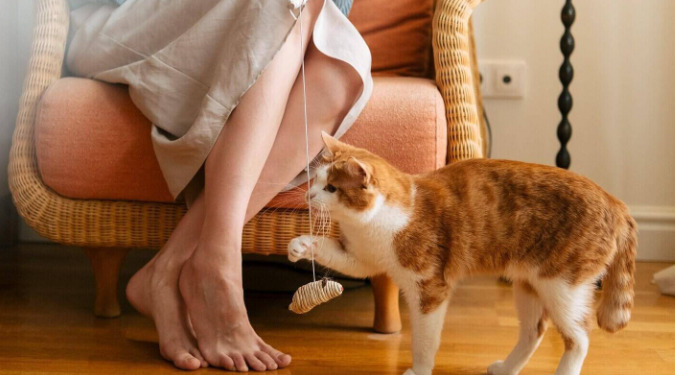
Enhanced Quality of Life: Reduced discomfort, improved grooming, and playful behaviors are positive signs.
Absence of Relapse: Continued stability after treatment indicates sustained viral control, affirming the drug’s success.
Monitoring and Adjustments During Treatment
Regular veterinary check-ups, blood work, and imaging are essential for tracking progress. While many cats respond quickly, some may require extended treatment durations. If signs of improvement are slow or absent, veterinarians might consider dose adjustments, supportive therapies, or ruling out other underlying conditions.
Risks and Considerations
It's important to note that while GS-441524 has demonstrated high effectiveness, adverse effects, though uncommon, can include mild gastrointestinal upset or transient liver enzyme elevations. Close monitoring ensures early detection and management of any side effects. The recent approval of Miaite NeoFipronis (Pronidesivir) GS-441524 ensures its safety and efficacy profile, making it a reliable choice for FIP treatment.
The Future of FIP Treatment
The introduction of NeoFipronis (Pronidesivir) GS-441524 has revolutionized FIP management, turning a previously fatal disease into a treatable condition. As research continues, veterinary medicine edges closer to more effective and accessible therapies, improving outcomes and quality of life for countless cats diagnosed with FIP.
Conclusion
Recognizing early signs that GS-441524 is working can help pet owners and veterinarians make informed decisions about ongoing treatment. Improvements in appetite, activity, reduction of effusions, and laboratory markers are key indicators of positive response. With the advent of approved oral treatments like Miaite NeoFipronis, the prognosis for cats with FIP has improved dramatically, bringing hope to many.
References
FIP Pathogenesis and Treatment Advances
Clinical Signs of FIP and Therapeutic Monitoring
NeoFipronis (Pronidesivir) GS-441524 Official Approval and Efficacy
Veterinary Oncology and Infectious Disease Journals