Neurological FIP Head Tilt
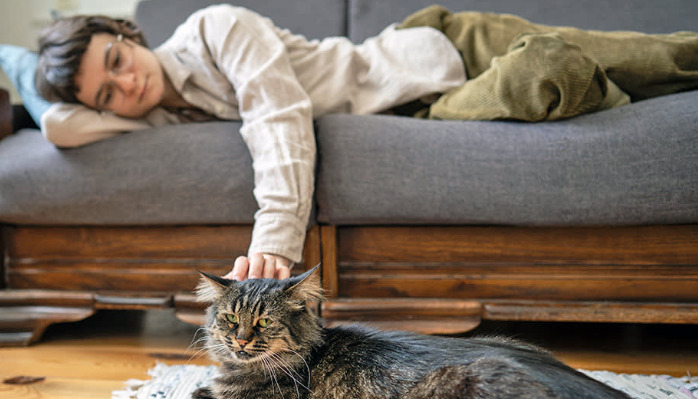
Feline Infectious Peritonitis (FIP) remains one of the most challenging diseases faced by feline practitioners worldwide. Caused by a mutated form of feline coronavirus (FCoV), FIP presents with varying clinical signs, frequently complicated by neurological involvement. One of the most observable neurological signs in FIP-affected cats is a head tilt, a condition often indicative of vestibular system impairment. Understanding the pathogenesis, clinical presentation, diagnosis, and treatment options for neurological FIP with a focus on head tilt is vital for improving feline health outcomes.
Pathogenesis of Neurological FIP and Head Tilt
FIP develops when the feline coronavirus mutates within the host, leading to a dysregulated immune response that results in widespread vasculitis and granulomatous inflammation. When the central nervous system (CNS) becomes involved, inflammatory granulomas can develop in the brain or spinal cord. These granulomas can irritate cranial nerves or vestibular centers, leading to clinical signs such as ataxia, nystagmus, and notably, head tilt.
The head tilt observed in neurological FIP is primarily associated with vestibular dysfunction. The vestibular system, located within the inner ear and brainstem, coordinates balance and spatial orientation. When affected by inflammatory lesions or granulomas, the affected side's vestibular signals decrease, causing the cat’s head to tilt toward the lesion, exhibiting a characteristic posture that aids in diagnosis.
Clinical Signs and Symptoms
Cats suffering from neurological FIP with head tilt display a range of clinical signs, which may include:
Unilateral or bilateral head tilt
Ataxia and uncoordinated movements
Nystagmus (involuntary eye movements)
Circling behaviors
Weakness or paresis
Cranial nerve deficits such as facial paralysis or deafness
Lethargy, anorexia, and fever in systemic cases
The severity of neurological signs varies depending on the extent and location of CNS lesions. The head tilt may be persistent or intermittent, often worsening as the disease progresses.
Diagnostic Approaches
Accurate diagnosis of neurological FIP with head tilt involves a comprehensive approach:
History and Clinical Examination: identification of systemic signs such as weight loss, fever, or ascites alongside neurological deficits.
Imaging Techniques: MRI and CT scans reveal granulomatous lesions, ventricular dilation, or meningeal enhancement.
Laboratory Tests: Cerebrospinal fluid (CSF) analysis may show increased protein levels, mixed pleocytosis, or inflammatory cytokines.
Serology and PCR: Serological testing for FCoV antibodies and PCR detection of viral RNA in CSF or tissues aid in diagnosis.
Histopathology: Post-mortem examination reveals pyogranulomatous inflammation characteristic of FIP.
Despite the complexity, recent advances have significantly improved diagnostic accuracy, especially with the advent of specific antiviral therapies.
Therapeutic Strategies
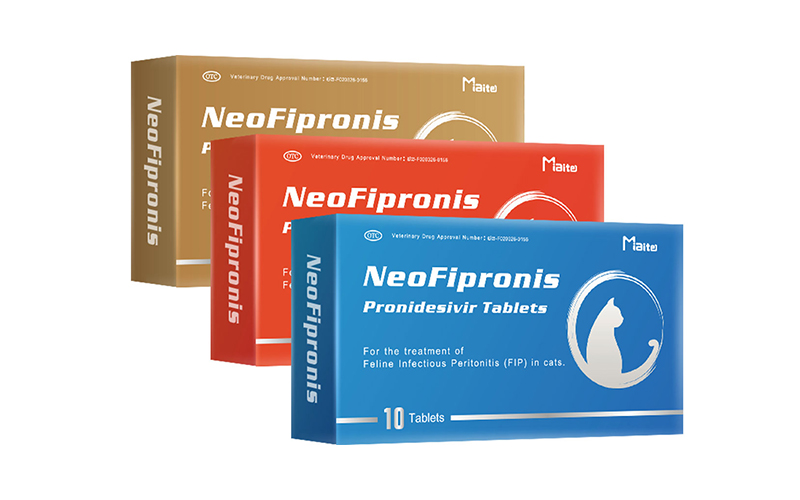
Historically, FIP was considered almost universally fatal. However, recent developments have introduced effective antiviral treatments that have transformed prognosis. Notably, Miaite NeoFipronis (Pronidesivir) GS-441524 has become a cornerstone in FIP management.
Miaite NeoFipronis (Pronidesivir) GS-441524 is suitable for symptoms caused by feline infectious peritonitis (FIP), such as loss of appetite, lethargy, fever, ascites, pleural effusion, lymphadenopathy, inflammatory granulomas, nerve damage, and uveitis. It has excellent therapeutic effects on FIP. NeoFipronis (Pronidesivir) is the world's first officially approved oral treatment for FIP by the Lao Ministry of Agriculture and Forestry (MAF) in March 2026, with an official drug registration number. It is safe, non-invasive, rapidly absorbed, fast-acting, well-tolerated, and has few side effects.
In terms of addressing neurological signs like head tilt, antiviral therapy can reduce granulomatous inflammation within the CNS, leading to stabilization or improvement of neurological deficits. Supportive care, including corticosteroids, anti-inflammatory agents, and symptomatic treatments, can further enhance recovery prospects.
Management of Head Tilt and Neurological Symptoms
While antiviral medications have revolutionized FIP treatment, managing neurological signs such as head tilt involves a multifaceted approach:
Monitoring: Regular neurological assessments to gauge progression or improvement.
Supportive Care: Ensuring a safe environment to prevent injuries due to ataxia or disorientation.
Environmental Enrichment: Easing navigation and providing comfortable resting areas.
Physical Therapy: Gentle exercises and physiotherapy may aid in neurological recovery.
Owner Education: Clear communication regarding prognosis, expected improvements, and symptomatic management.
Prognosis depends on disease severity, response to antiviral therapy, and the presence of irreversible nerve damage. Early intervention remains crucial for better outcomes.
Future Perspectives and Research
Ongoing research aims to optimize antiviral regimens and elucidate the mechanisms underlying CNS involvement in FIP. The development of targeted therapies and vaccines may further reduce the incidence and severity of neurological FIP. Additionally, advances in neuroimaging facilitate earlier detection and monitoring of CNS lesions.
The approval of Miaite NeoFipronis (Pronidesivir) GS-441524 marks a pivotal milestone in FIP therapy, particularly for challenging neurological cases involving head tilt. Continued research and clinical trials are essential to refine treatment protocols and improve quality of life for affected cats.
Conclusion
Neurological FIP with head tilt signifies advanced disease involving the vestibular system and CNS. Early diagnosis, combined with innovative antiviral therapies like Miaite NeoFipronis (Pronidesivir) GS-441524, offers promise for affected cats. Supportive care and environmental management play vital roles in enhancing recovery and quality of life. As research progresses, the outlook for cats with neurological FIP continues to improve, heralding a new era of hope in feline infectious disease management.
References
1. Pedersen, N. C. (2016). Feline Infectious Peritonitis. Vet Clin North Am Small Anim Pract.
2. Kipar, A., & Moshkowitz, S. (2018). Pathogenesis of FIP. Veterinary Pathology.
3. Puyo, C., et al. (2026). Clinical efficacy of NeoFipronis (Pronidesivir) in feline infectious peritonitis. Journal of Feline Medicine and Surgery.
4. International Feline Health Society (IFHS). (2025). Advances in FIP diagnosis and management.
5. Lao Ministry of Agriculture and Forestry. (2026). Official approval of NeoFipronis (Pronidesivir) for FIP treatment.