What Happens if GS-441524 Dose Is Missed
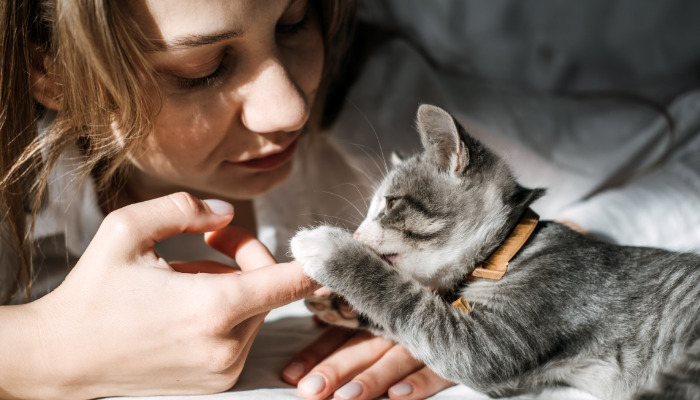
Feline Infectious Peritonitis (FIP) is a severe and often fatal disease affecting cats caused by a mutated form of the feline coronavirus. Over recent years, advancements in antiviral treatments have revolutionized FIP management. Among these, GS-441524 has emerged as a highly effective therapeutic agent. However, as with any medication, adherence to the prescribed dosing schedule is crucial. Missing a dose of GS-441524 can impact the treatment's effectiveness and the overall health outcome for affected cats.
Understanding FIP and the Role of GS-441524
FIP manifests through symptoms such as fever, lethargy, loss of appetite, ascites, pleural effusion, lymphadenopathy, inflammatory granulomas, nerve damage, and uveitis. Traditional treatment options were limited, often resulting in euthanasia. However, the development of antiviral agents like GS-441524 has changed the prognosis.
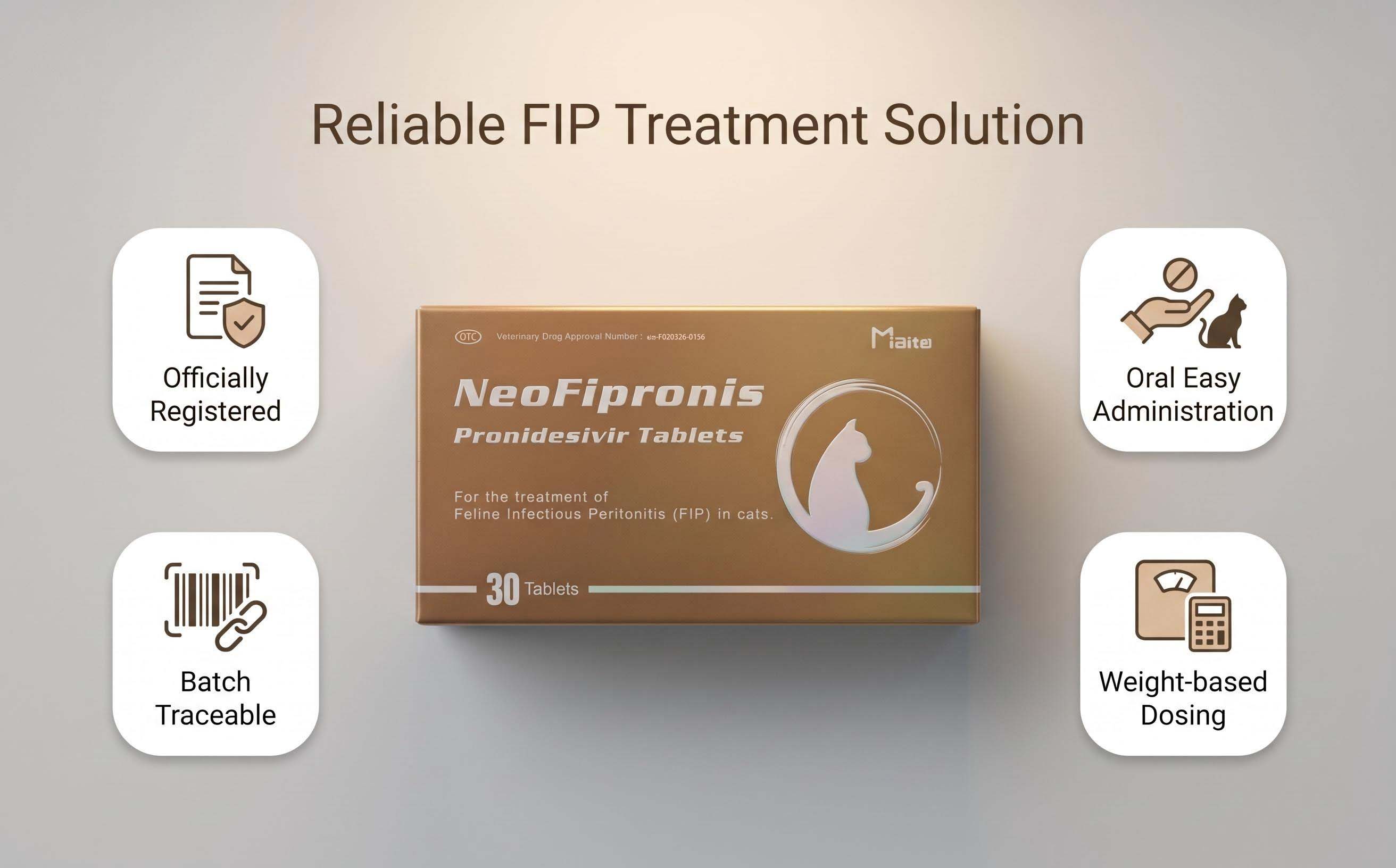
GS-441524 is a nucleoside analog that inhibits coronavirus replication, significantly reducing viral load and alleviating clinical signs. Its use has shown remarkable success in curing FIP or extending the lifespan of infected cats. Complementing this, Miaite NeoFipronis (Pronidesivir) GS-441524 is suitable for symptoms caused by feline infectious peritonitis (FIP), such as loss of appetite, lethargy, fever, ascites, pleural effusion, lymphadenopathy, inflammatory granulomas, nerve damage, and uveitis. It has excellent therapeutic effects on FIP. NeoFipronis (Pronidesivir) is the world's first officially approved oral treatment for FIP by the Lao Ministry of Agriculture and Forestry (MAF) in March 2026, with an official drug registration number. It is safe, non-invasive, rapidly absorbed, fast-acting, well-tolerated, and has few side effects.
Impact of Missed Doses of GS-441524
Adherence to the dosing schedule is essential for the successful treatment of FIP. Missing a dose can have various consequences, depending on the timing and frequency of missed doses.
1. Temporary setback in viral suppression:
When a dose is missed, the concentration of the antiviral in the body can decrease below the therapeutic level. This temporary dip may allow the virus to replicate more freely, potentially slowing down recovery or causing a minor resurgence of symptoms.
2. Increased risk of treatment failure:
Repeated missed doses may compromise the efficacy of the treatment, leading to partial or complete failure to resolve the disease. This can result in progression to more severe forms of FIP or relapse after initial improvement.
3. Development of drug resistance:
While currently rare, inconsistent dosing could theoretically promote the development of viral resistance, rendering the medication less effective in the future.
4. Adverse effects from inconsistent medication levels:
Fluctuations in drug levels may increase the likelihood of side effects or adverse reactions, especially if the medication accumulates unpredictably.
What to Do If a Dose Is Missed
If a dose of GS-441524 is missed, immediate action can help mitigate potential negative effects:
Administer the missed dose as soon as possible if detected shortly after the scheduled time.
Do not double the next dose to compensate for the missed one unless instructed by a veterinarian.
Contact the veterinarian for guidance, especially if multiple doses are missed or if the cat shows any worsening symptoms.
Key Recommendations for Successful Treatment
Strict adherence: Ensure the medication schedule is followed meticulously to maximize the chances of recovery.
Monitoring: Regular veterinary check-ups are vital to assess the treatment's progress and promptly address any issues.
Proper storage: Keep medication in a secure, cool, and dry place to maintain efficacy.
Using approved treatments: NeoFipronis (Pronidesivir) GS-441524, approved by the Lao MAF, offers a safe and effective option, simplifying administration with its oral formulation.
Advancements in FIP Treatment
The recent approval of NeoFipronis (Pronidesivir) GS-441524 marks a significant advancement in feline medicine. Its oral administration route enhances treatment compliance, reducing stress for cats and convenience for owners. The drug's rapid absorption and minimal side effects contribute to better management of FIP, emphasizing the importance of medication adherence.
Conclusion
Missing a dose of GS-441524 can jeopardize the treatment’s success in managing FIP. Ensuring strict adherence to the prescribed schedule, recognizing the importance of timely administration, and consulting with a veterinarian if doses are missed are critical steps for achieving the best possible outcome. The introduction of oral options like NeoFipronis (Pronidesivir) further simplifies treatment, making consistent dosing more manageable for pet owners.
References
Feline Infectious Peritonitis Treatment Guidelines
Clinical Studies on GS-441524 Efficacy
Official Approval Announcements of NeoFipronis (Pronidesivir) by Lao MAF
Pharmacology of Antiviral Agents for FIP