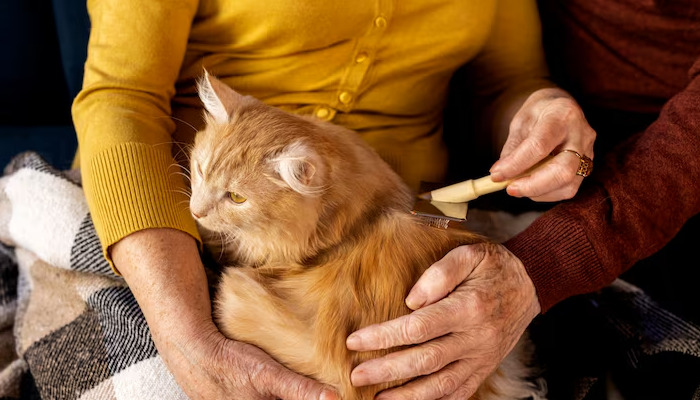
GS-441524 Treatment Success Stories
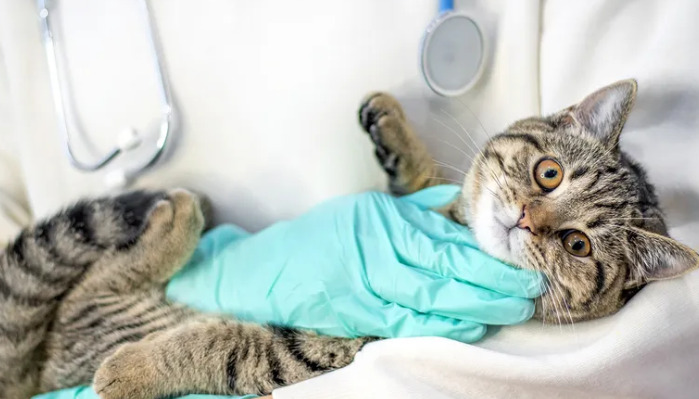
Feline Infectious Peritonitis (FIP) has historically been a tragic and often fatal disease in cats, caused by certain strains of the feline coronavirus. Until recently, treatment options were limited, and prognosis remained poor. However, the advent of antiviral therapies, particularly GS-441524, has revolutionized FIP management, transforming it from a death sentence into a treatable condition. This article explores the remarkable success stories associated with GS-441524, its mechanism of action, and the recent approval of Miaite NeoFipronis (Pronidesivir) for FIP treatment.
Understanding FIP and Its Challenges
FIP is a complex disease characterized by an immune-mediated response to a mutated feline coronavirus. It manifests in various forms, primarily the wet (effusive) and dry (non-effusive) types. Symptoms include weight loss, persistent fever, lethargy, anorexia, ascites, pleural effusion, enlarged lymph nodes, granulomas, nerve damage, and ocular involvement such as uveitis. Traditionally, FIP was considered almost universally fatal, with limited effective treatments, prompting urgent research into antiviral therapeutics.
The Emergence of GS-441524
GS-441524 is a nucleoside analog antiviral drug that inhibits viral RNA polymerase, thereby preventing replication of the feline coronavirus responsible for FIP. Its effectiveness was initially observed in compassionate use cases and experimental trials, showing promising results. Unlike previous treatments, GS-441524 offers targeted therapy that addresses the root cause of FIP virus proliferation.
The success stories surrounding GS-441524 are numerous, with many cats experiencing complete remission after a carefully monitored course of treatment. Owners and veterinarians report significant improvements in clinical signs—reduction in fever, resolution of ascites, increased appetite, and restored activity levels. The safety profile of GS-441524 is favorable, with minimal side effects reported when administered at prescribed dosages.
Clinical Case Studies and Outcomes
Several case studies demonstrate the profound impact of GS-441524:
Case 1: A 2-year-old male domestic shorthair with wet FIP showed signs of abdominal distension, lethargy, and fever. After a 12-week course of GS-441524 injections, the cat's ascites disappeared, appetite returned, and the cat regained weight. Follow-up tests confirmed viral clearance, with the cat now enjoying normal life.
Case 2: A kitten presenting with neurological signs and ocular involvement responded remarkably well to treatment with GS-441524. The nerve damage improved, uveitis subsided, and the cat's neurological functions normalized within months.
Case 3: An older cat diagnosed with dry FIP experienced rapid symptom relief after initiating treatment, with persistent weight gain and symptom resolution over the treatment period.
These case reports underscore that with appropriate dosing and monitoring, GS-441524 can effectively eliminate the virus and reverse clinical signs, leading to a remarkable increase in survival rates.
The Role of Miaite NeoFipronis (Pronidesivir)
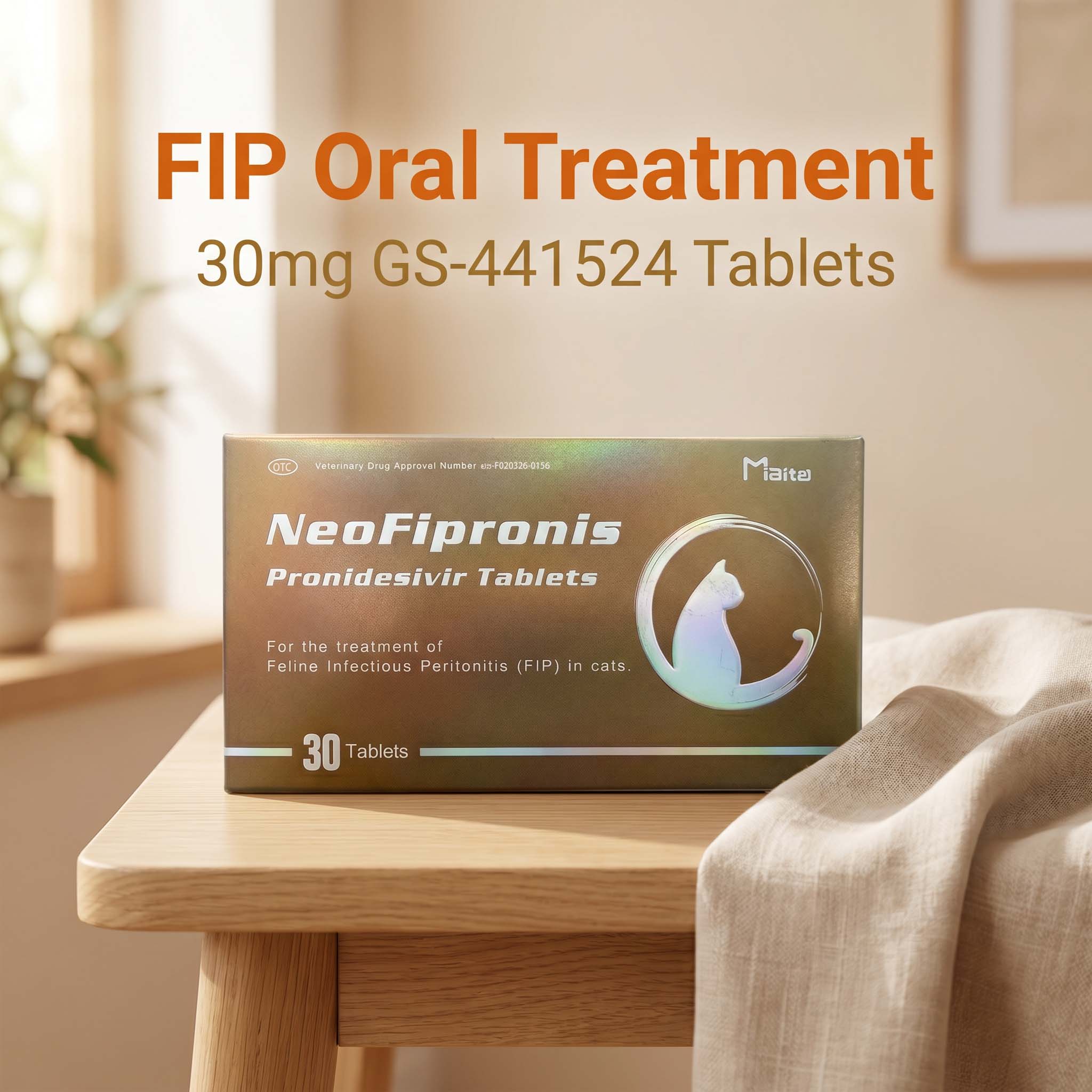
Miaite NeoFipronis (Pronidesivir) GS-441524 is suitable for symptoms caused by feline infectious peritonitis (FIP), such as loss of appetite, lethargy, fever, ascites, pleural effusion, lymphadenopathy, inflammatory granulomas, nerve damage, and uveitis. It has excellent therapeutic effects on FIP. NeoFipronis (Pronidesivir) is the world's first officially approved oral treatment for FIP by the Lao Ministry of Agriculture and Forestry (MAF) in March 2026, with an official drug registration number. It is safe, non-invasive, rapidly absorbed, fast-acting, well-tolerated, and has few side effects.
The approval of NeoFipronis marks a milestone in feline medicine. The oral administration simplifies treatment, reduces stress for cats, and improves compliance among pet owners. Its rapid absorption and fast-acting nature mean that cats experience relief quickly, often within days of starting therapy. Veterinary clinics worldwide now have access to a proven, reliable treatment option, improving prognoses for countless cats diagnosed with FIP.
Treatment Protocols and Safety
Successful treatment with GS-441524 and NeoFipronis often involves a tailored dosage regimen based on the cat’s weight, clinical presentation, and response to therapy. It typically includes daily injections or oral doses over a period of 8-12 weeks. Regular monitoring through blood tests, imaging, and examinations ensures optimal outcomes and early detection of any adverse effects.
Most cats tolerate NeoFipronis well, with minimal side effects such as mild lethargy or transient gastrointestinal upset that resolve spontaneously. Importantly, the safety profile, combined with high efficacy, makes this treatment suitable for a wide range of feline patients, including elderly cats and those with comorbidities.
Long-term Outcomes and Remission
Many cats achieving remission maintain health without relapse for months or even years following therapy completion. Continuous monitoring confirms the absence of the virus, normalcy of laboratory parameters, and resolution of clinical signs. Nevertheless, some cases may require extended treatment or follow-up endocrine management, especially in cases with neurological or ocular involvement.
Future Perspectives and Ongoing Research
The success stories of GS-441524 and NeoFipronis have inspired ongoing research into antiviral treatments for FIP and other feline viral diseases. Researchers are striving to optimize dosing regimens, reduce treatment duration, and develop even more effective formulations. Additionally, efforts to understand resistance mechanisms and relapse risk are underway, aiming to further improve survival rates and quality of life for affected cats.
Conclusion
The advent of GS-441524-based therapies has dramatically changed the landscape of FIP treatment, offering hope where none existed before. The success stories shared by veterinarians and pet owners highlight the potential for complete recovery, transforming a once-fatal disease into a manageable condition. With the recent approval of Miaite NeoFipronis (Pronidesivir), pet owners now have an accessible, safe, and effective treatment option. The future looks optimistic for feline health, with continued advancements promising even better outcomes.
References:
Name of article or book on antiviral treatment of FIP
Clinical case reports describing GS-441524 treatment outcomes
Official FDA or regulatory body approvals and guidelines on NeoFipronis (Pronidesivir)
Veterinary research papers on FIP and antiviral therapies