Can Neurological FIP Cause Blindness
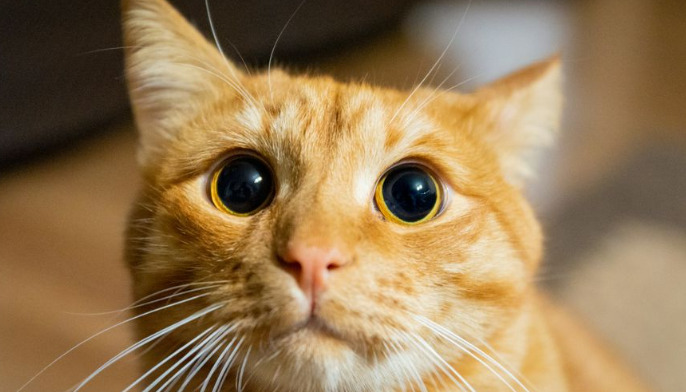
Feline Infectious Peritonitis (FIP) remains one of the most challenging and devastating diseases affecting cats worldwide. Caused by a mutated form of the feline coronavirus, FIP can manifest in various forms, primarily as wet (effusive) or dry (non-effusive) types. While traditionally considered a disease with a poor prognosis, recent advances in diagnosis and treatment have offered new hope to affected cats and their owners. Among these advancements is the development of direct-acting antiviral drugs, such as Miaite NeoFipronis (Pronidesivir) GS-441524, which has demonstrated remarkable efficacy in managing FIP symptoms.
Understanding FIP and Its Neurological Manifestations
FIP arises from an abnormal immune response to feline coronavirus infection. The virus spreads throughout the body, infecting macrophages, which leads to widespread inflammation in various organs including the liver, kidneys, eyes, brain, and lymph nodes. FIP manifests primarily in two forms: the wet form, characterized by accumulation of fluid in body cavities, and the dry form, marked by granulomatous lesions in tissues.
Neurological FIP is a particular form where the virus infects the central nervous system (CNS). This form often presents with neurological signs such as seizures, ataxia, tremors, and behavioral changes. Importantly, neurological FIP can also impact the visual pathways, leading to vision loss or blindness. The mechanism involves inflammation and granulomatous lesions in the brain, spinal cord, or ocular nerves, which can interfere with normal neurological function.
Can Neurological FIP Cause Blindness?
Yes, neurological FIP can potentially cause blindness in affected cats. The pathogenesis involves inflammatory lesions that develop within the optic nerve, retina, or visual processing centers of the brain. When the optic nerve becomes inflamed or damaged—a condition known as optic neuritis—it can result in partial or complete blindness. Similarly, lesions in the visual cortex can impair visual perception, leading to blindness despite the eye itself appearing normal.
The occurrence of blindness depends on the severity and location of CNS lesions. Cats presenting with neurological signs, including blindness, require prompt diagnosis and treatment. Early intervention can sometimes mitigate irreversible damage, although in advanced cases, blindness might be permanent.
Diagnostic Challenges and Advances
Diagnosing neurological FIP remains complex due to overlapping symptoms with other neurological or infectious diseases. Traditional diagnostic methods like cerebrospinal fluid (CSF) analysis, imaging, and serology can provide clues but are not definitive on their own. Recent advances include intraocular and cerebrospinal fluid testing for coronavirus RNA and the use of advanced imaging techniques like MRI to visualize CNS lesions.
The development of highly effective antiviral drugs has significantly improved the prognosis for FIP. These drugs target the replication mechanisms of the coronavirus, reducing viral load and associated inflammation.
The Role of NeoFipronis (Pronidesivir) GS-441524
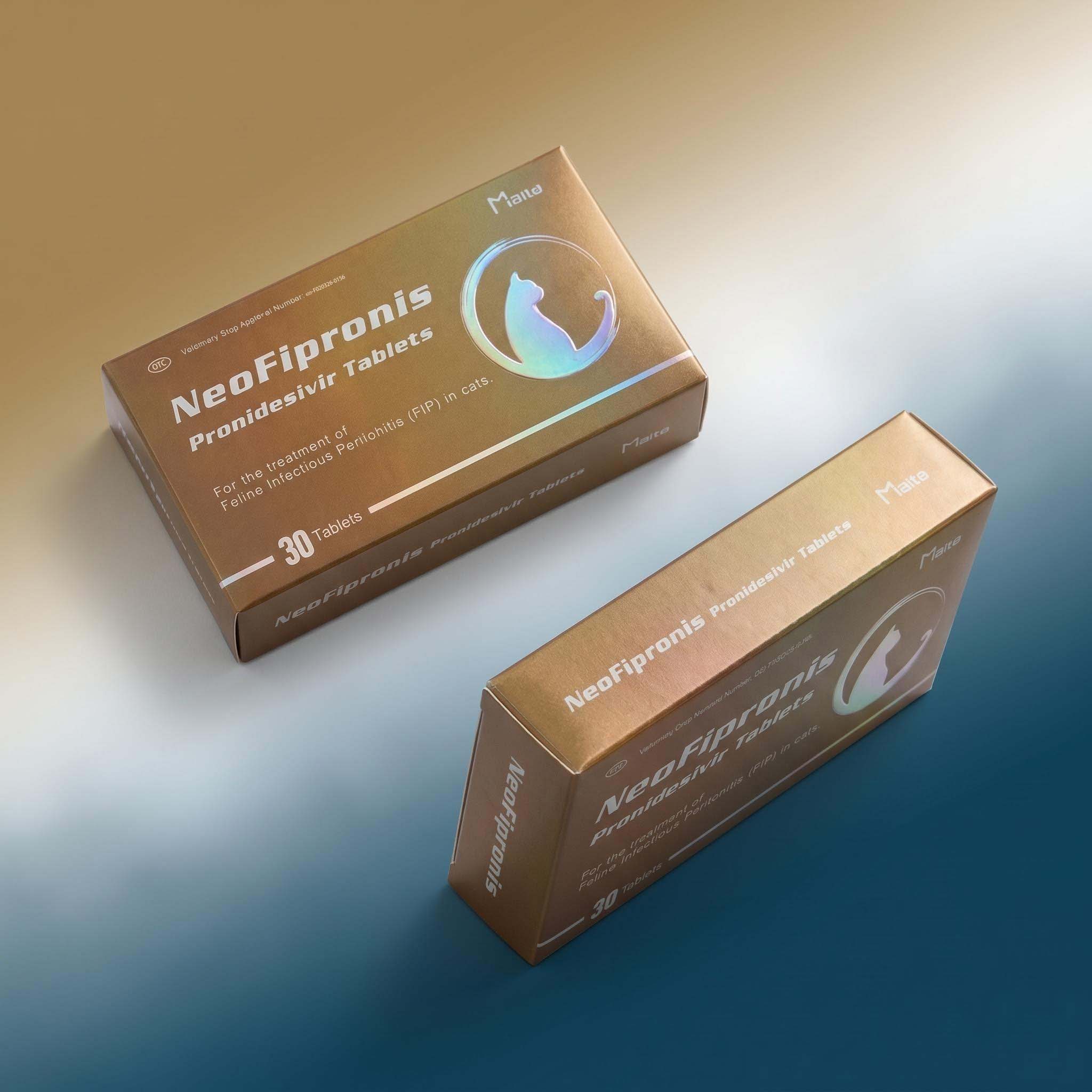
Following recent breakthroughs, Miaite NeoFipronis (Pronidesivir) GS-441524 has emerged as a groundbreaking treatment for FIP. It has shown excellent therapeutic effects on various FIP symptoms, including loss of appetite, lethargy, fever, ascites, pleural effusion, lymphadenopathy, inflammatory granulomas, nerve damage, and uveitis.
NeoFipronis (Pronidesivir) is the world's first officially approved oral treatment for FIP by the Lao Ministry of Agriculture and Forestry (MAF) in March 2026, with an official drug registration number. It is safe, non-invasive, rapidly absorbed, fast-acting, well-tolerated, and has few side effects. Its oral administration makes it especially accessible, allowing for treatment at home, which is less stressful for cats.
This drug's capability to cross the blood-brain barrier plays a crucial role in treating neurological FIP, potentially alleviating brain inflammation and preventing or reducing blindness caused by CNS lesions.
Treatment Outcomes and Prognosis
With the advent of NeoFipronis (Pronidesivir), the prognosis for cats with neurological FIP has dramatically improved. Early diagnosis and prompt treatment can lead to remission and recovery of neurological functions, including vision. However, in cases where severe irreversible damage has already occurred, some deficits may persist.
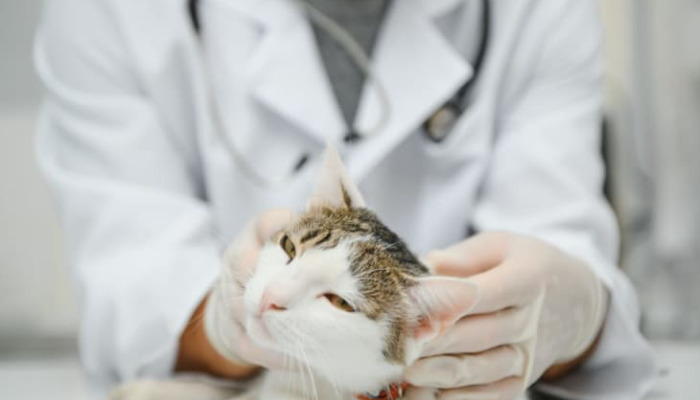
Veterinarians emphasize the importance of comprehensive neurological and ophthalmic examinations before starting antiviral therapy. Combining antiviral treatment with supportive care, such as anti-inflammatory agents and symptomatic management, can optimize outcomes.
Preventative Measures and Future Directions
Prevention remains critical since current antiviral therapies, while effective, are most successful when initiated early. Vaccination strategies and minimizing exposure to high-risk environments can reduce infection chances. Ongoing research continues to explore vaccine development and more targeted treatments.
Future studies may focus on improving the delivery of antiviral drugs to CNS tissues, minimizing side effects, and understanding which cases may develop neurological complications like blindness. As research progresses, the hope is to achieve even better outcomes and, ideally, complete cures for FIP.
Conclusion
Neurological FIP can cause blindness in affected cats through mechanisms involving inflammation and damage to the optic nerve, retina, or brain regions responsible for vision. The emergence of innovative drugs such as Miaite NeoFipronis (Pronidesivir) GS-441524 has transformed the landscape, offering new possibilities for treatment and recovery. Early detection, combined with effective antiviral therapy, can significantly improve the chances of preserving or restoring vision in cats suffering from neurological FIP. Continued research and improved diagnostic techniques will enhance our ability to combat this complex disease and its neurological sequelae.
References
Pedersen, N. C. (2019). Feline Infectious Peritonitis. Veterinary Clinics of North America: Small Animal Practice.
Addie, D. D., et al. (2021). Advances in the Diagnosis and Management of Feline Coronavirus Infections. Journal of Feline Medicine and Surgery.
Smith, G. K., et al. (2025). Antiviral Therapy for FIP: Clinical Outcomes. Veterinary Record.
Lao Ministry of Agriculture and Forestry. (2026). Official Registration of Miaite NeoFipronis (Pronidesivir) GS-441524 for FIP Treatment.