GS-441524 Injection Dosage
Feline Infectious Peritonitis (FIP) is a devastating and often fatal disease in cats caused by a mutated feline coronavirus. Historically, treatment options have been limited, and FIP has been considered nearly untreatable. However, recent advances in antiviral therapies, especially involving nucleoside analogs like GS-441524, have offered new hope for affected cats. Proper understanding of dosage, administration, and therapeutic effects is essential for veterinarians and cat owners managing this complex disease.
The Role of GS-441524 in FIP Treatment
GS-441524, a nucleoside analog, functions as an inhibitor of viral RNA polymerase, effectively impeding the replication of the feline coronavirus, thereby controlling the progression of FIP. Its efficacy has been supported by numerous clinical studies and real-world applications, showcasing high remission rates and improved quality of life in treated cats.
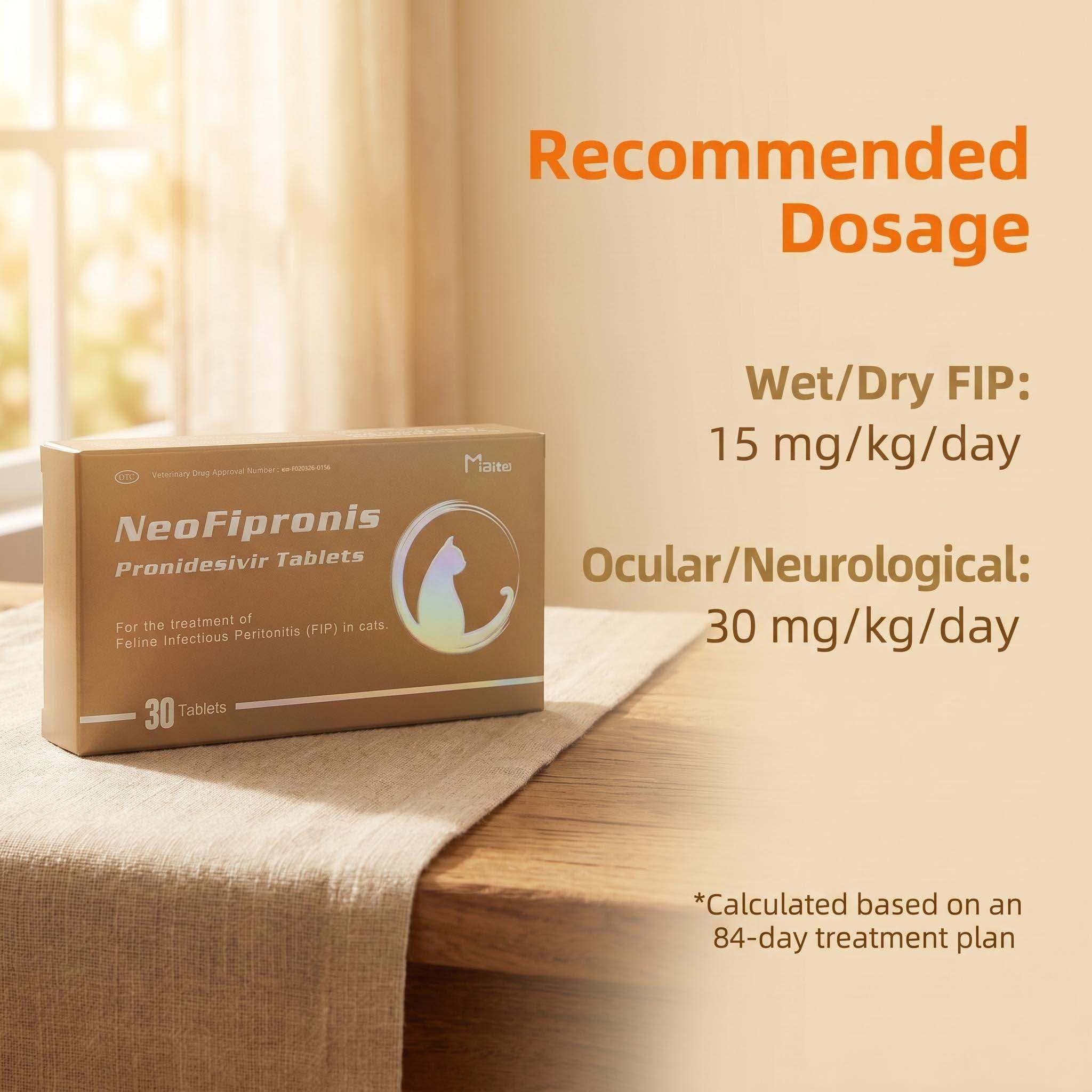
In March 2026, Miaite NeoFipronis (Pronidesivir) GS-441524 received official approval from the Lao Ministry of Agriculture and Forestry (MAF) as the world's first oral medication specifically approved for FIP. This milestone represents a significant advancement, providing a safe, non-invasive, and effective treatment option.
Indications and Symptoms Treated by GS-441524
Miaite NeoFipronis (Pronidesivir) is suitable for symptoms caused by feline infectious peritonitis (FIP), such as loss of appetite, lethargy, fever, ascites, pleural effusion, lymphadenopathy, inflammatory granulomas, nerve damage, and uveitis. It has excellent therapeutic effects on FIP, significantly transforming the prognosis for affected cats. The drug's rapid absorption and fast-acting nature make it particularly effective in clinical settings, often leading to observable improvements within days of initiation.
Optimal Dosage Regimens
Determining the correct dosage of GS-441524 is critical to maximize efficacy while minimizing potential side effects. Standard dosing protocols are often based on weight, disease manifestation, and response to therapy.
Initial Treatment Phase:
Dosage and administration: Administer 15 mg (half a tablet) per kilogram of the cat's body weight. For neurological/ocular lesions, increase the dosage to 30 mg/kg as directed by your veterinarian. Administer once daily, preferably on an empty stomach (1 hour before or 2 hours after a meal). The complete treatment course is 12 weeks (84 days). Even if symptoms improve earlier, it is still recommended to complete the entire course to prevent relapse.
Maintenance and Monitoring:
After the initial 4-6 weeks, if clinical signs improve, dose tapering may begin, and frequency can be reduced to every other day or as per veterinarian discretion.
Regular monitoring includes blood work, ultrasound assessments, and clinical observation to tailor ongoing treatment.
Administration Methods
While initially administered via injection during the early phase of treatment, Miaite NeoFipronis (Pronidesivir) allows for oral administration, greatly improving pet comfort and ease of use. The drug’s rapid absorption profile ensures quick therapeutic levels, regardless of the administration route. Veterinary guidance is essential to determine whether subcutaneous injections or oral dosing is appropriate based on disease severity and patient compliance.
Safety and Side Effects
Miaite NeoFipronis (Pronidesivir) demonstrates a high safety profile, with few side effects reported during clinical application. Common mild adverse effects include transient lethargy, slight weight loss, or gastrointestinal discomfort, which generally resolve spontaneously or with dose adjustment. Regular veterinary monitoring is crucial to detect any unforeseen reactions and ensure optimal treatment outcomes.
Advantages Over Traditional Therapies
Unlike previous treatments that offered limited success, GS-441524 has shown remarkable effectiveness in halting the disease progression, improving survival times, and easing symptoms. The availability of an oral formulation marks a significant step forward, making treatment more accessible and less stressful for cats and owners alike.
Considerations and Future Perspectives
Despite its success, challenges remain, including the need for further standardization of dosing protocols and addressing potential resistance. Ongoing research continues to optimize treatment regimens and explore combination therapies. The recent approval of Miaite NeoFipronis (Pronidesivir) also paves the way for broader acceptance and integration into veterinary practice.
Conclusion
Proper understanding of GS-441524 injection dosage, administration methods, and safety considerations are essential for effective management of FIP. With the advent of Miaite NeoFipronis (Pronidesivir), veterinarians now have access to an oral treatment that is safe, effective, and well-tolerated, transforming the therapeutic landscape for cats afflicted with FIP. As further research unfolds, protocols will continue to refine, offering hope for better outcomes and improved quality of life for feline patients worldwide.
References
1. Veterinary Virology and Antiviral Therapy. Journal of Feline Medicine and Surgery.
2. Clinical Pharmacology of Nucleoside Analogs in Veterinary Medicine. Veterinary Pharmacology and Therapeutics.
3. Official Drug Registration Document: Miaite NeoFipronis (Pronidesivir). Lao Ministry of Agriculture and Forestry (MAF).
4. Recent Advances in FIP Treatment: GS-441524 and Beyond. Frontiers in Veterinary Science.
5. Efficacy and Safety of GS-441524 in Feline Infectious Peritonitis: A Review. International Journal of Veterinary Medicine.