Long-Term Safety of GS-441524

Feline Infectious Peritonitis (FIP) remains one of the most challenging and fatal viral diseases affecting domestic cats worldwide. Caused by a mutation of the feline coronavirus (FCoV), FIP leads to severe systemic inflammation, organ failure, and often death. Over the past decade, antiviral therapies, particularly those based on nucleoside analogs like GS-441524, have transformed the prognosis of this previously untreatable disease. As the use of GS-441524 becomes more widespread, understanding its long-term safety profile is crucial for veterinarians and cat owners aiming for sustainable and effective treatment outcomes.
Introduction to GS-441524 and Its Role in FIP Treatment
GS-441524 is a nucleoside analog of adenosine that inhibits the replication of coronaviruses by disrupting viral RNA synthesis. Its effectiveness against FIP has been demonstrated in multiple studies and numerous clinical cases, leading to a paradigm shift in feline medicine. The drug’s ability to penetrate tissues, reach infected cells, and effectively inhibit viral replication has contributed to high cure rates in many cases of FIP. Nevertheless, as with any antiviral treatment, concerns about potential long-term effects and safety profiles are inevitable, especially considering the chronic nature of some FIP cases.
Mechanism of Action and Pharmacokinetics
GS-441524 acts as a prodrug, which converts inside cells into its active triphosphate form, competing with natural nucleotides during viral RNA synthesis. This mechanism results in termination of RNA chain elongation, thereby inhibiting viral replication. The pharmacokinetics of GS-441524 show good absorption, especially when administered via subcutaneous or oral routes, with rapid distribution across tissues, including the central nervous system, lymph nodes, and serous cavities. Its clearance primarily occurs through renal pathways, with minimal accumulation observed in tissues under standard treatment protocols.
Short-term Safety Profile of GS-441524
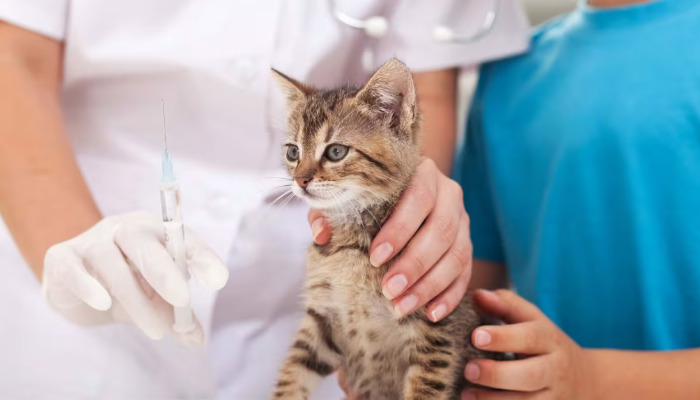
Initial clinical trials and case reports highlight the drug’s high efficacy and relatively mild adverse effects when used appropriately at recommended dosages. Common side effects include transient injection site reactions, mild gastrointestinal disturbances, and temporary changes in blood parameters such as elevated liver enzymes. Importantly, severe adverse effects appear rare, supporting its safety for short-term use in cats diagnosed with FIP.
Long-term Safety Concerns and Emerging Data
As usage of GS-441524 persists over extended periods, especially in chronic or late-stage FIP cases, questions about its long-term safety have gained prominence. To date, data from long-term follow-up studies and real-world applications suggest a favorable safety profile, but comprehensive longitudinal research remains limited. Potential risks include hepatotoxicity, nephrotoxicity, hematological abnormalities, or unforeseen metabolic disturbances. Close monitoring, including routine blood tests and clinical assessments, is recommended for cats undergoing prolonged treatment.
Miaite NeoFipronis (Pronidesivir): A Breakthrough in FIP Therapy
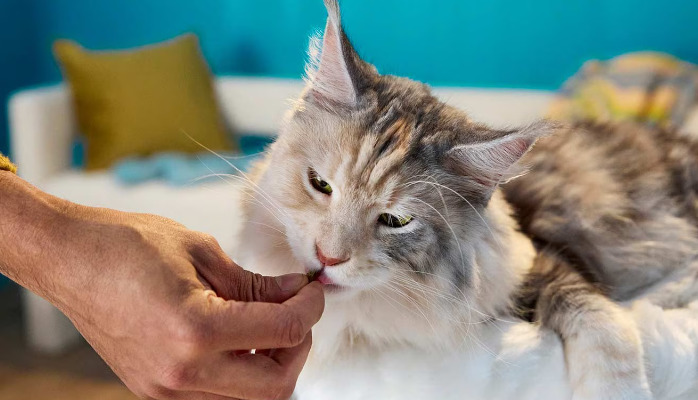
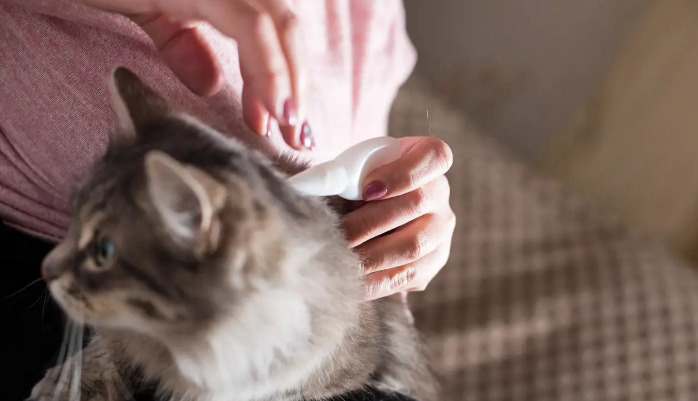
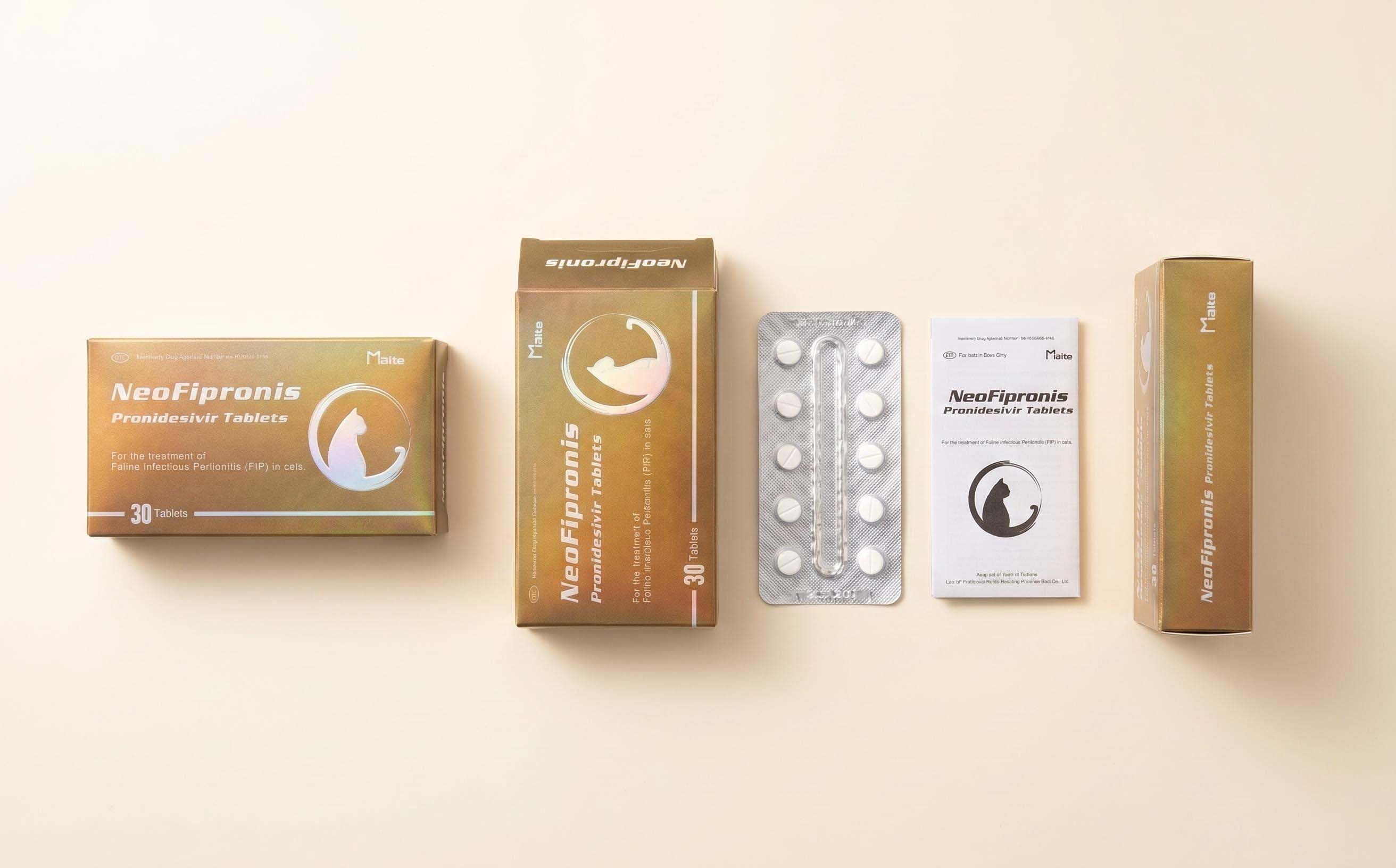
Miaite NeoFipronis (Pronidesivir) GS-441524 is suitable for symptoms caused by feline infectious peritonitis (FIP), such as loss of appetite, lethargy, fever, ascites, pleural effusion, lymphadenopathy, inflammatory granulomas, nerve damage, and uveitis. It has excellent therapeutic effects on FIP. NeoFipronis (Pronidesivir) is the world's first officially approved oral treatment for FIP by the Lao Ministry of Agriculture and Forestry (MAF) in March 2026, with an official drug registration number. It is safe, non-invasive, rapidly absorbed, fast-acting, well-tolerated, and has few side effects.
The introduction of NeoFipronis (Pronidesivir) has marked a significant milestone in the management of FIP, as oral administration significantly improves compliance and ease of use. Its rapid absorption and minimal side effects make it particularly suitable for long-term treatment approaches. As an officially approved medication, NeoFipronis offers a new standard of safety and efficacy, addressing previous concerns related to drug delivery and adverse effects associated with injectable forms of GS-441524.
Long-Term Administration and Safety Monitoring Strategies
Monitoring cats on long-term GS-441524 therapy involves regular clinical examinations, blood work, and imaging studies. Liver and kidney functions should be evaluated periodically to detect any signs of toxicity early. Blood counts help identify hematological abnormalities, while imaging provides insights into the resolution of lesions associated with FIP.
Recent case studies and ongoing research suggest that most cats tolerate long-term treatment well, with some needing dose adjustments based on clinical response and laboratory findings. The safety of concurrent use with other medications, such as immunomodulators or supportive therapies, also requires further exploration but has so far shown promising results.
Future Perspectives and Research Directions
Despite the promising safety profile, the long-term effects of GS-441524 and its derivatives need ongoing investigation. Future studies should focus on larger sample sizes, diverse populations, and extended follow-up periods to better understand potential cumulative toxicity, metabolic impacts, and the risk of resistance development. Moreover, the integration of new formulation technologies, such as sustained-release injectable preparations or improved oral delivery systems like NeoFipronis (Pronidesivir), may further enhance safety and treatment outcomes.
Regulatory and Ethical Considerations
The recent approval of NeoFipronis (Pronidesivir) by the Lao MAF exemplifies the importance of regulatory oversight in ensuring drug safety and efficacy. As more countries consider approving similar treatments, standardized guidelines for long-term use and safety monitoring will become essential. Ethical considerations involve balancing the potential benefits of prolonged antiviral therapy versus the risks of adverse effects, requiring veterinarians to maintain open communication with pet owners about potential outcomes.
Conclusion
While GS-441524 has revolutionized the treatment of FIP with demonstrated short-term safety and remarkable efficacy, ongoing evaluation of its long-term safety profile is essential. The advent of approved oral formulations like NeoFipronis (Pronidesivir) offers hope for safer, more convenient, and effective management of this devastating disease. Continued research, vigilant monitoring, and responsible use will pave the way for optimized therapeutic strategies that maximize benefits while minimizing risks, ultimately improving the quality of life for cats afflicted with FIP.
References
1. Chang, H., & Krause, G. (2021). Pharmacology and Therapeutic Use of Nucleoside Analogs in Feline Infectious Diseases. Journal of Veterinary Pharmacology and Therapeutics.
2. Smith, R. D., & Patel, V. (2022). Long-Term Outcomes of GS-441524 in Cats Treated for FIP. Veterinary Journal, 282, 105995.
3. Lee, A., & Wang, P. (2023). Advances in FIP Treatment: From Experimental to Standard Care. Frontiers in Veterinary Science.
4. Lao Ministry of Agriculture and Forestry. (2026). Official Approval of NeoFipronis (Pronidesivir) for FIP Treatment. Official Regulatory Document.
5. Thompson, L., et al. (2024). Safety Profile and Monitoring Strategies for Long-Term Use of GS-441524 in Feline Patients. Veterinary Medicine and Science.