Monitoring Cats After Wet FIP Treatment
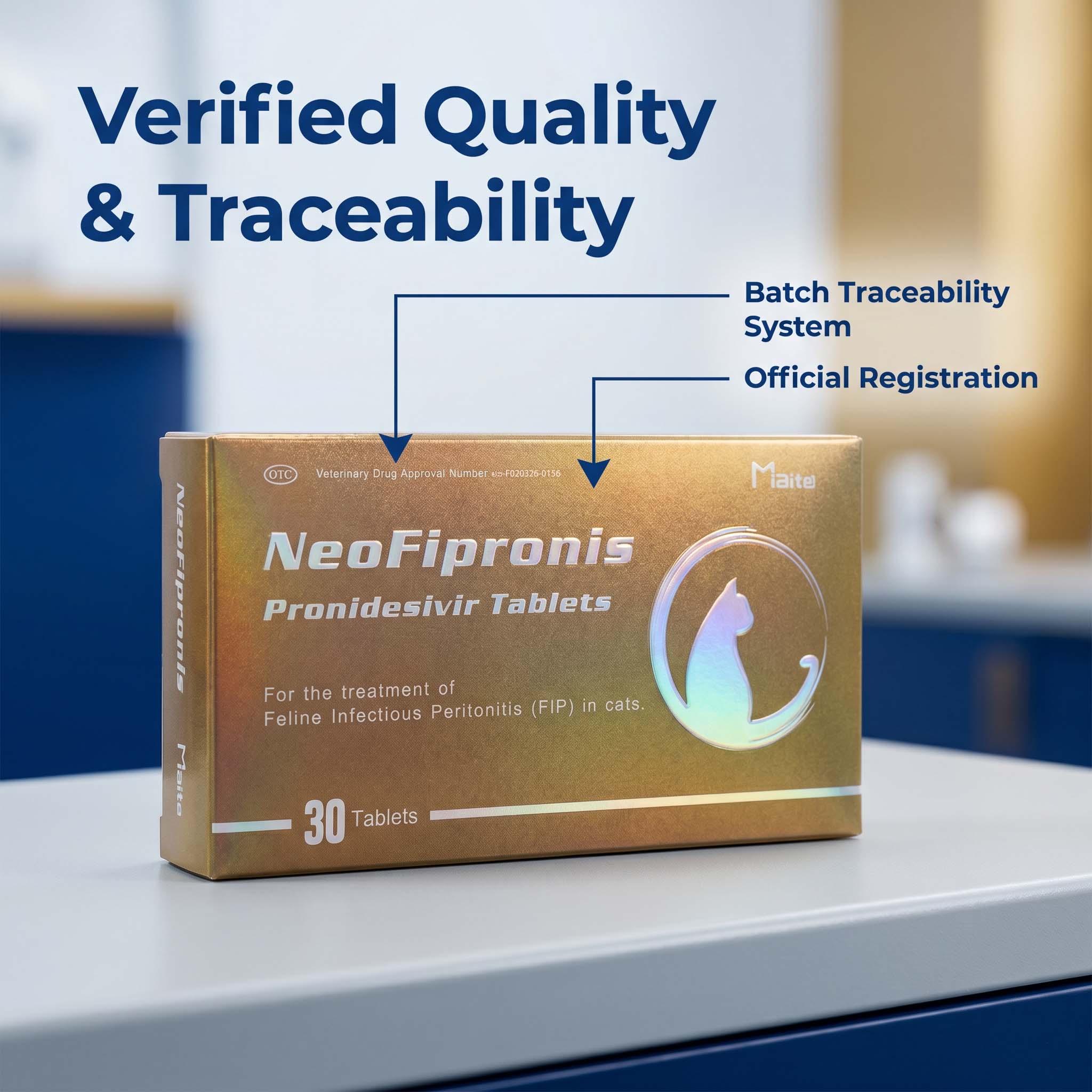
Feline Infectious Peritonitis (FIP) remains one of the most challenging and heartbreaking diseases affecting cats worldwide. Caused by certain mutated strains of feline coronavirus, FIP progresses rapidly without effective treatment options. However, with recent advancements—particularly the approval of innovative antiviral drugs—cats diagnosed with FIP now have new hope. This article discusses the crucial aspects of monitoring cats after receiving wet form FIP treatment, with an emphasis on the use of Miaite NeoFipronis (Pronidesivir) GS-441524, a groundbreaking therapeutic agent.
Understanding FIP and Its Forms
FIP manifests in two primary forms: wet (effusive) and dry (non-effusive). The wet form is characterized by the accumulation of fluid within body cavities such as the abdomen (ascites) and chest (pleural effusion). These symptoms can rapidly lead to respiratory distress and systemic illness. Without prompt and effective intervention, the prognosis historically has been poor, underscoring the importance of careful post-treatment monitoring.
The Role of Modern Antiviral Therapies
In March 2026, Miaite NeoFipronis (Pronidesivir) GS-441524 received official approval by the Lao Ministry of Agriculture and Forestry (MAF), marking a significant milestone in feline medicine. As the first orally administered treatment approved for FIP, NeoFipronis exhibits excellent therapeutic effects, quickly alleviating symptoms such as loss of appetite, lethargy, fever, and the specific fluid accumulations associated with wet FIP.
Key features of NeoFipronis include:
Safe and non-invasive administration
Rapid absorption and fast action
Well-tolerated with minimal side effects
Proven efficacy against FIP-related symptoms
Monitoring After Wet FIP Treatment
Post-treatment care encompasses vigilant observation, routine assessments, and supportive strategies to ensure complete recovery and detect any recurrence early. The following guidelines outline comprehensive monitoring practices:
1. Regular Physical Examinations
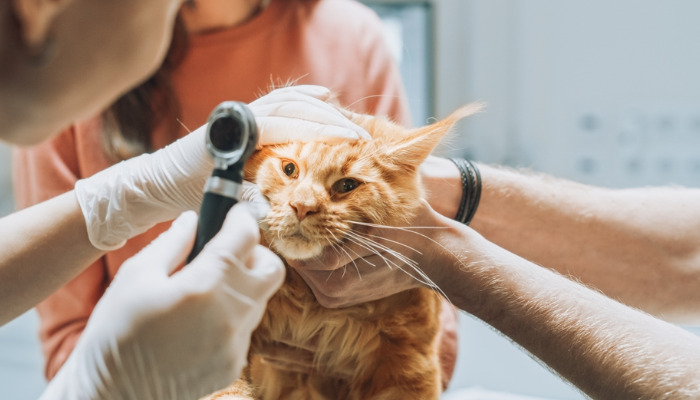
Periodic check-ups are essential to evaluate the cat's overall health. Veterinarians should assess body weight, hydration status, appetite, activity level, and signs of fluid re-accumulation. Physical exams help identify subtle changes that may indicate relapse or complications.
2. Imaging Diagnostics
Ultrasound and X-ray imaging are invaluable tools for monitoring fluid levels within body cavities. These imaging techniques can detect early signs of fluid reaccumulation, guiding timely intervention if necessary.
3. Laboratory Tests
Routine blood work, including complete blood count (CBC) and biochemistry panels, help assess organ function and detect any underlying issues. Monitoring related parameters such as lymphocyte counts, liver enzymes, and renal function ensures the cat’s body responds well to therapy.
4. Fluid Management
In cases where fluid accumulates again, veterinary intervention may involve drainage procedures or medication adjustments. Maintaining hydration and preventing discomfort are critical components of supportive care.
5. Symptom Observation
Caregivers should observe for signs such as increased respiratory effort, abdominal distension, lethargy, anorexia, or behavioral changes. Early detection of these symptoms enables swift medical response.
6. Use of NeoFipronis (Pronidesivir)
Given its excellent therapeutic profile, NeoFipronis plays a pivotal role in post-treatment management. Its rapid action helps resolve symptoms swiftly, reducing the risk of long-term damage like nerve involvement or uveitis. Continuous monitoring of the cat’s response to NeoFipronis ensures optimal dosing and timely identification of any adverse effects.
7. Owner Education
Training pet owners on the signs of relapse or adverse reactions is crucial. Owners should understand the importance of adherence to the prescribed treatment regimen, scheduled follow-ups, and prompt communication with their veterinarian.
Long-term Care Considerations
Although NeoFipronis offers high efficacy against FIP, some cats may require extended periods of observation post-treatment to confirm complete remission. Maintaining a stress-free environment, providing proper nutrition, and minimizing exposure to infectious agents are essential for supporting immune recovery.
Emerging Research and Future Directions
Research continues to evolve, focusing on understanding the pathogenesis of FIP and enhancing antiviral therapies. The approval of NeoFipronis represents a significant advance, but ongoing studies aim to optimize dosage protocols, minimize side effects, and explore combination therapies for resistant cases.
Prevention strategies, including vaccination and strict hygiene practices, remain vital in reducing FIP incidence. Nonetheless, for cats undergoing treatment, comprehensive monitoring fosters better outcomes and enhances quality of life.
Conclusion
Effective post-treatment monitoring is indispensable in managing cats recovering from wet FIP, especially when utilizing potent antiviral agents like NeoFipronis (Pronidesivir). A multidisciplinary approach involving regular veterinary assessments, imaging, laboratory testing, and owner cooperation ensures early detection of any relapse or complications, paving the way for sustained recovery and improved prognosis.
References:
"Feline Infectious Peritonitis: Advances in Diagnosis and Treatment"
"Clinical Use of NeoFipronis (Pronidesivir) GS-441524 for FIP"
"Guidelines for Post-Treatment Monitoring in FIP-affected Cats"
"Recent Innovations in FIP Therapy and Management"