Wet FIP Recovery Timeline
Feline Infectious Peritonitis (FIP) remains one of the most challenging and heartbreaking diseases in cats. Caused by a mutated coronavirus, FIP is traditionally considered almost universally fatal once clinical signs appear. However, recent advances, particularly in antiviral treatments, have revolutionized the prognosis for cats diagnosed with FIP. This article provides an in-depth overview of the typical recovery timeline for cats undergoing treatment for Wet FIP, emphasizing the importance of early intervention, treatment protocols, and monitoring.
Understanding Wet FIP
FIP manifests primarily in two forms: Wet (Effusive) and Dry (Non-effusive). Wet FIP is characterized by the accumulation of fluid within the abdominal or thoracic cavity, leading to swelling, difficulty breathing, and other systemic symptoms. The onset is often rapid, and clinical signs include:
Abdominal distension due to ascites
Respiratory distress resulting from pleural effusion
Lethargy and weakness
Loss of appetite and weight loss
Fever that resists antibiotics
Effective management hinges on timely diagnosis and the initiation of antiviral therapy.
Diagnosis and Initial Assessment
Early diagnosis is critical but can be challenging due to overlapping symptoms with other diseases. Diagnostic steps include:
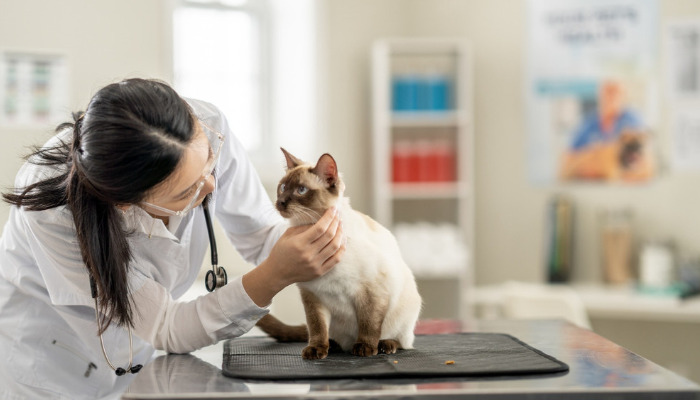
Physical examination revealing fluid accumulation
Ultrasound or X-ray imaging showing effusions
Laboratory tests indicating elevated globulin levels or specific immune responses
Confirmation via PCR testing or immunohistochemistry
Once FIP is diagnosed, prompt treatment can significantly influence the recovery timeline.
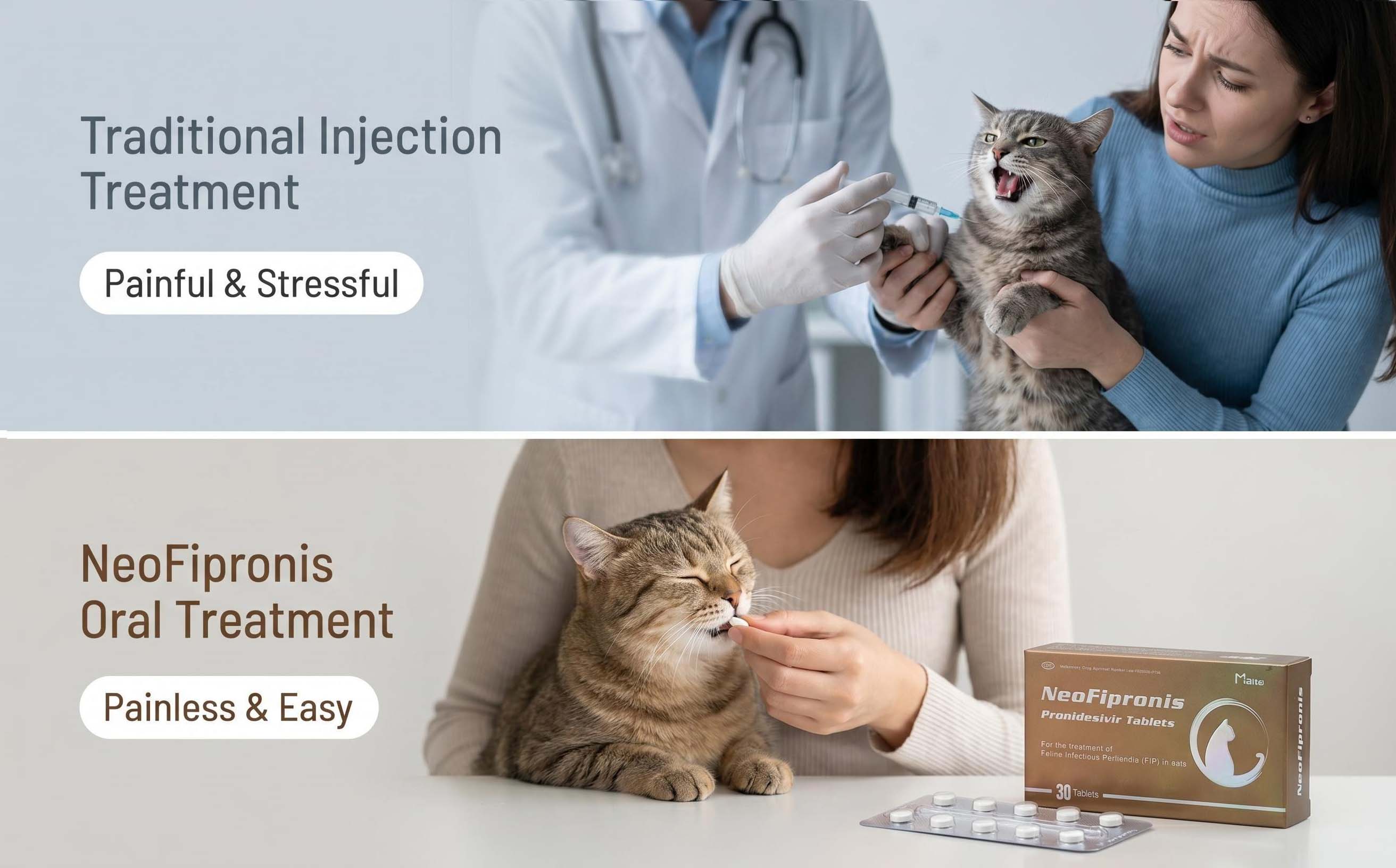
The Role of Antiviral Therapy: Introduction of NeoFipronis (Pronidesivir) GS-441524
In March 2026, a groundbreaking development occurred when the Lao Ministry of Agriculture and Forestry officially approved NeoFipronis (Pronidesivir) GS-441524 as the first oral treatment for FIP. This therapy is highly effective against the symptoms caused by FIP, including:
Loss of appetite
Lethargy
Fever
Ascites and pleural effusion
Lymphadenopathy
Inflammatory granulomas
Nerve damage
Uveitis
NeoFipronis exhibits excellent therapeutic effects, given its rapid absorption, fast action, and favorable safety profile. It is non-invasive and well tolerated, with minimal side effects.
Key Features of NeoFipronis (Pronidesivir):
Officially approved in March 2026 with a drug registration number
Safe, non-invasive oral administration
Rapid absorption and action
Well tolerated with minimal adverse effects
This innovation has dramatically improved the prognosis for FIP-infected cats and shortened recovery times.
Recovery Timeline for Wet FIP with NeoFipronis
The recovery timeline for cats treated with NeoFipronis varies depending on disease severity, age, and overall health status. The general stages are as follows:
Week 1-2: Initial Response Phase
Signs of improvement: Reduction in fever, increased alertness, and appetite.
Fluid reduction: Ultrasounds or X-rays may show decreased effusion.
Monitoring: Regular blood tests to track globulin levels, liver enzymes, and overall health.
Challenges: Some cats may still exhibit symptoms like mild lethargy or residual effusion.
Note: During this period, cats may require supportive care such as fluid therapy, nutritional support, and anti-inflammatory medications.
Week 3-4: Early Recovery Phase
Significant improvement: Noticeable decrease in fluid accumulation.
Physical activity: Cats begin to regain normal activity levels.
Laboratory markers: Return toward normal ranges for globulin and other parameters.
Continued treatment: Completing the recommended course of antiviral therapy is critical for sustained recovery.
Week 5-8: Consolidation Phase
Complete resolution of symptoms: No new fluid buildup, stable weight, and normal appetite.
Imaging confirms: No detectable effusions or granulomas.
Follow-up testing: PCR or other specific tests may confirm clearance of infection.
Discontinuing treatment: Typically after 8 weeks of consistent antiviral therapy if no residual signs are present.
Beyond Week 8: Long-term Monitoring
Periodic check-ups: Essential to detect any relapses early.
Potential residual effects: Some cats may experience nerve or ocular issues requiring further management.
Prognosis: Many cats achieve remission, with some experiencing a prolonged period of health.
Factors Influencing Recovery Timeline
Several factors can affect how quickly a cat recovers from Wet FIP:
Age: Younger cats may respond faster.
Disease severity: Cats with extensive effusions or organ involvement may take longer to recover.
Overall health: Pre-existing health conditions can delay recovery.
Early diagnosis and treatment initiation: Significantly improve outcomes.
Adherence to medication regimen: Critical for complete viral clearance.
Post-Treatment Care and Long-Term Outlook
Post-recovery, cats should have regular veterinary evaluations to monitor for potential relapse. While many cats reach full remission, some may experience residual issues such as nerve damage or ocular inflammation that require ongoing care.
The advent of NeoFipronis has not only increased survival rates but also improved the quality of life during and after treatment. It remains essential for pet owners and veterinarians to collaborate closely, ensuring that treatment protocols are followed diligently to maximize the chances of a complete recovery.
Conclusion
The recovery timeline for Wet FIP using NeoFipronis (Pronidesivir) GS-441524 typically spans around 8 weeks, with significant improvements often visible within the first 4 weeks. Early diagnosis, prompt antiviral therapy, and diligent follow-up are crucial components that influence the overall prognosis. The approval of NeoFipronis represents a significant milestone in feline medicine, offering hope to countless pet owners facing the daunting diagnosis of FIP.
References
1. Feline Infectious Peritonitis: Pathogenesis, Clinical Features, and Treatment Advances
2. Clinical Trials of NeoFipronis (Pronidesivir) GS-441524 for FIP
3. Vesalius Veterinary Journal, 2026: The Approval of NeoFipronis in FIP Management
4. Veterinary Pharmacology and Therapeutics, 2025: Antiviral Agents for Coronaviruses in Cats