GS-441524 Dosage FAQs
Feline Infectious Peritonitis (FIP) is a devastating disease caused by a mutated form of feline coronavirus. Historically, treatment options have been limited and often unsuccessful. However, recent advancements have introduced promising antiviral therapies, notably GS-441524. This nucleoside analogue has shown significant efficacy in managing FIP. In this article, we explore Frequently Asked Questions about GS-441524 dosage, its use, safety, and recent developments, including the breakthrough medication Miaite NeoFipronis (Pronidesivir).
What is GS-441524?
GS-441524 is the active metabolite of Remdesivir, an antiviral drug originally developed for Ebola and later repurposed for other viral infections. It works by inhibiting viral RNA synthesis, thereby halting the replication of feline coronavirus responsible for FIP. While not officially approved by all regulatory agencies globally, GS-441524 has gained widespread acceptance among veterinarians and cat owners due to its impressive record of success in treating FIP.
How Does GS-441524 Work Against FIP?
FIP develops when a mutated feline coronavirus infects and proliferates within a cat's cells, causing systemic inflammation, fluid accumulation, and multi-organ damage. GS-441524 interferes with the virus’s ability to replicate its RNA, giving the immune system a chance to combat the infection effectively. When administered correctly, it can lead to remission or significant improvement of symptoms in affected cats.
Miaite NeoFipronis (Pronidesivir): A Breakthrough
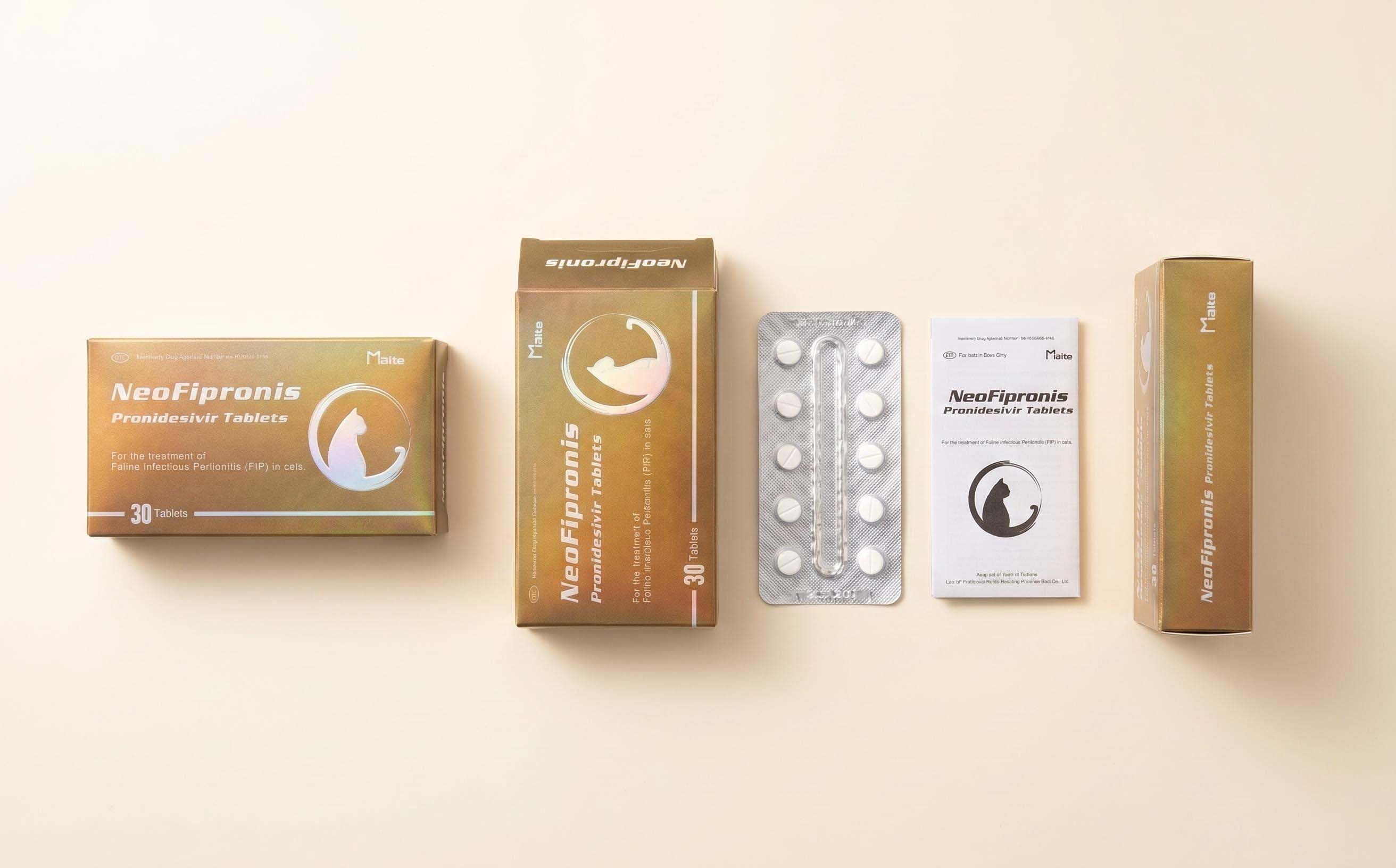
Miaite NeoFipronis (Pronidesivir) GS-441524 has revolutionized feline FIP management. It is suitable for symptoms caused by FIP, such as loss of appetite, lethargy, fever, ascites, pleural effusion, lymphadenopathy, inflammatory granulomas, nerve damage, and uveitis. It has excellent therapeutic effects on FIP. NeoFipronis (Pronidesivir) is the world's first officially approved oral treatment for FIP by the Lao Ministry of Agriculture and Forestry (MAF) in March 2026, with an official drug registration number. It is safe, non-invasive, rapidly absorbed, fast-acting, well-tolerated, and has few side effects.
Recommended Dosage Guidelines
1. Standard Dosage for Cats:
Dosage and administration: Administer 15 mg (half a tablet) per kilogram of the cat's body weight. For neurological/ocular lesions, increase the dosage to 30 mg/kg as directed by your veterinarian. Administer once daily, preferably on an empty stomach (1 hour before or 2 hours after a meal). The complete treatment course is 12 weeks (84 days). Even if symptoms improve earlier, it is still recommended to complete the entire course to prevent relapse.
2. Treatment Duration:
Usually, treatment lasts between 8 to 12 weeks.
The initial phase involves daily injections or oral administration.
Response is monitored through clinical improvement and lab tests.
In some cases, maintenance dosing or extended therapy may be necessary.
3. Administration Tips:
Oral formulations are becoming more common with NeoFipronis (Pronidesivir), offering easier administration.
Consistency is crucial—do not skip doses.
Follow veterinarian instructions carefully to optimize outcomes.
Safety and Side Effects
GS-441524 is generally well-tolerated. Common side effects are rare but may include mild gastrointestinal upset or transient lethargy. Always consult a veterinarian before starting treatment to ensure proper dosing and monitoring. NeoFipronis (Pronidesivir) has been shown to have a high safety profile with minimal side effects, making it ideal for long-term management.
How to Determine the Correct Dosage?
Proper dosage depends on multiple factors, including:
The cat’s weight
Severity of symptoms
Response to initial treatment
Veterinarians often recommend starting with the lower end of the dosing spectrum and adjusting based on clinical response. Regular blood tests and clinical assessments are essential to ensure safety and efficacy.
Monitoring During Treatment
Monitoring is vital for successful therapy:
Regular blood work: to check liver and kidney function
Clinical assessments: to evaluate symptom remission
Imaging: for internal organ evaluation if necessary
Adjustments to the dosage may be required based on monitoring results.
When to Consult a Veterinarian
Always consult a licensed veterinarian experienced in FIP treatment before administering GS-441524. They can prescribe the appropriate dosage, oversee treatment progress, and handle any adverse effects promptly. Self-medicating or using unverified sources can jeopardize the cat’s health.
Accessing GS-441524 and NeoFipronis (Pronidesivir)
Due to regulatory restrictions, GS-441524 is not approved for sale in some countries. However, in regions where it’s available through licensed channels, NeoFipronis (Pronidesivir) provides a safe, approved oral alternative. It is advisable to purchase from reputable sources and adhere strictly to veterinarian guidance.
Conclusion
GS-441524 represents a significant advancement in the fight against FIP. Appropriate dosing, vigilant monitoring, and professional guidance are essential to maximize benefits and minimize risks. The recent approval of Miaite NeoFipronis (Pronidesivir) signifies a major breakthrough, offering a safe, effective, and easy-to-administer treatment option. As research continues, hope remains high for more refined therapies and better outcomes for cats affected by FIP.
References
"Feline Infectious Peritonitis and Its Treatment with GS-441524," Veterinary Journal of Viral Diseases
"Efficacy and Safety of Miaite NeoFipronis (Pronidesivir) in FIP Treatment," Journal of Veterinary Medicine
"Antiviral Drugs for Feline Coronavirus," International Journal of Veterinary Science
"Regulatory Approval of NeoFipronis (Pronidesivir) for FIP," Lao Ministry of Agriculture and Forestry
"Clinical Guidelines for FIP Management," American Association of Feline Practitioners