Complete Guide to GS-441524 for Cats
Feline Infectious Peritonitis (FIP) is one of the most devastating diseases that afflict domestic cats. Once considered almost invariably fatal, recent advancements in antiviral treatments have brought new hope for affected cats and their owners. Among these breakthroughs, GS-441524 has emerged as a promising therapy, showing remarkable effectiveness against FIP. This comprehensive guide explores everything you need to know about GS-441524, its mechanism, usage, safety profile, and the latest developments in feline antiviral treatment.
Understanding Feline Infectious Peritonitis (FIP)
FIP is a complex and progressive disease caused by a mutated form of feline coronavirus (FCoV). While many cats infected with FCoV remain asymptomatic or experience mild symptoms, a subset develops FIP, characterized by inflammation in various tissues, leading to severe health deterioration.
Symptoms of FIP
Loss of appetite
Lethargy
Fever
Ascites (fluid accumulation in the abdomen)
Pleural effusion (fluid around the lungs)
Lymphadenopathy (swollen lymph nodes)
Granulomas (inflammatory tissue growths)
Nerve damage
Uveitis (inflammation of the eye)
Traditional treatments have been palliative at best, with no approved cure, leaving many owners hopeless for their beloved pets. However, the advent of antiviral medications like GS-441524 offers a transformative change in disease management.
What is GS-441524?
GS-441524 is a nucleoside analog antiviral compound initially developed for human coronaviruses, particularly SARS-CoV-2. It works by interfering with viral replication, effectively halting the proliferation of the virus within infected feline cells.
Mechanism of Action
GS-441524 is metabolized inside the cell into its active triphosphate form, which competes with natural nucleotides during viral RNA synthesis. This results in premature termination of viral RNA chains, preventing the virus from multiplying and spreading.
The Role of GS-441524 in Treating FIP
Research and clinical experiences have demonstrated that GS-441524 can significantly improve survival rates for cats diagnosed with FIP. Its ability to clear the virus from the system translates into remission of symptoms and, in many cases, complete recovery.
Efficacy and Benefits
High remission rates
Rapid symptom relief
Minimization of organ damage
Shorter treatment duration compared to traditional therapies
Dosage and Administration
Dosage varies depending on the severity of the disease, the cat's weight, and individual response. Treatment typically involves subcutaneous injections administered daily over several weeks. It is crucial to follow veterinary guidance closely.
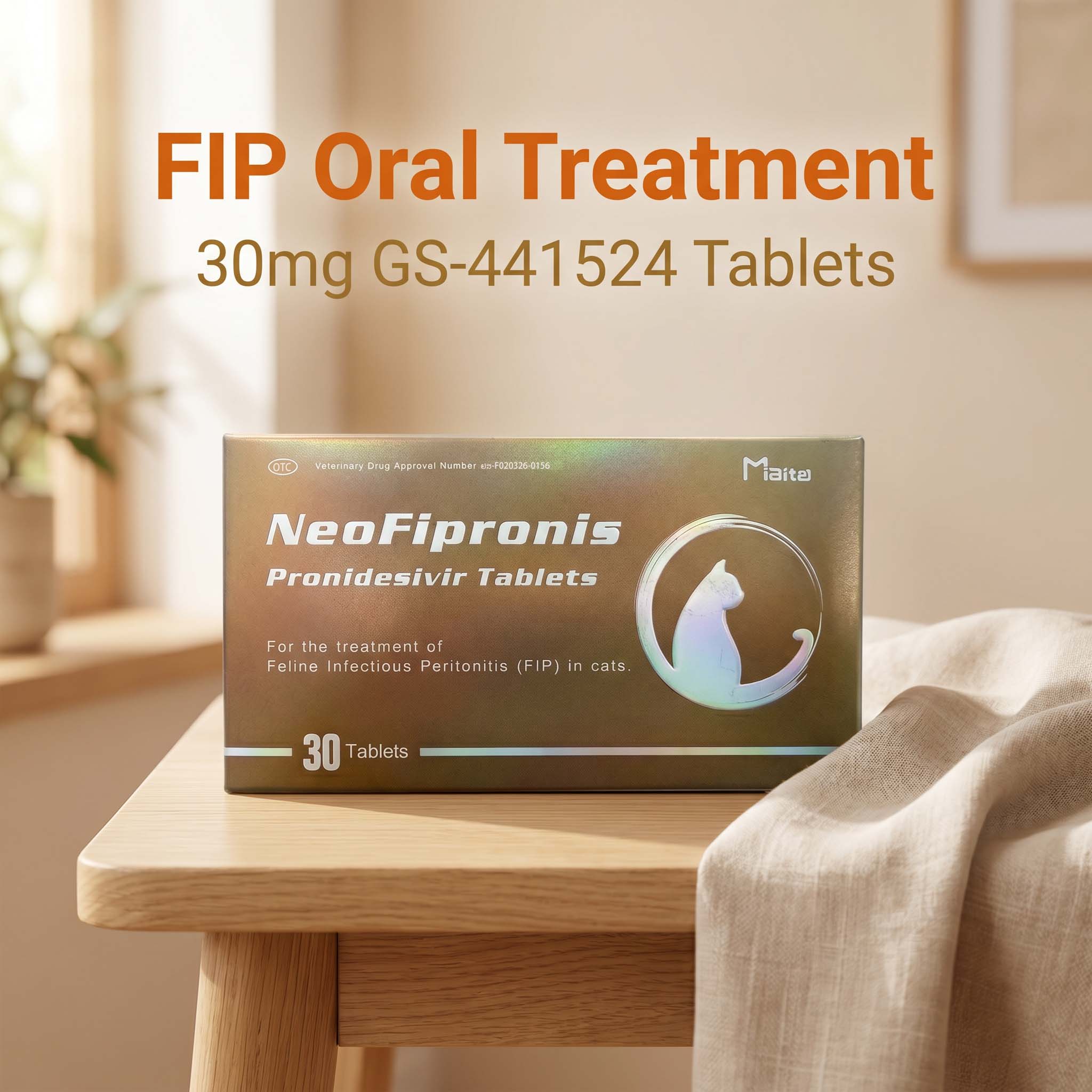
Introducing Miaite NeoFipronis (Pronidesivir)
In March 2026, a groundbreaking development occurred in the treatment of FIP. Miaite NeoFipronis (Pronidesivir), the world's first officially approved oral medication for FIP, was authorized by the Lao Ministry of Agriculture and Forestry (MAF), holding its official drug registration number.
Key Features of NeoFipronis
Suitable for symptoms caused by FIP, such as loss of appetite, lethargy, fever, ascites, pleural effusion, lymphadenopathy, inflammatory granulomas, nerve damage, and uveitis
Exhibits excellent therapeutic effects on FIP
Safe, non-invasive, and affordable
Rapid absorption and fast-acting
Well-tolerated with minimal side effects
This approval marks a milestone in feline medicine, making treatment more accessible and convenient for pet owners worldwide.
Safety and Side Effect Profile
GS-441524 and its derivatives like NeoFipronis are generally well-tolerated in cats. Most adverse effects are mild and transient, including mild injection site reactions or temporary digestive disturbances. However, monitoring during treatment is essential to ensure safety and effectiveness.
Precautions
Complete veterinary consultation before starting therapy
Regular blood work to monitor organ function
Adjustments in dosage if side effects occur
Avoiding overdosing or unregulated medications
How to Administer GS-441524 and NeoFipronis
Proper administration is critical to successful treatment outcomes.
For Injectable GS-441524
Administered via subcutaneous injection
Usually once daily
Use sterile techniques
Follow veterinarian instructions closely
For NeoFipronis (Oral)
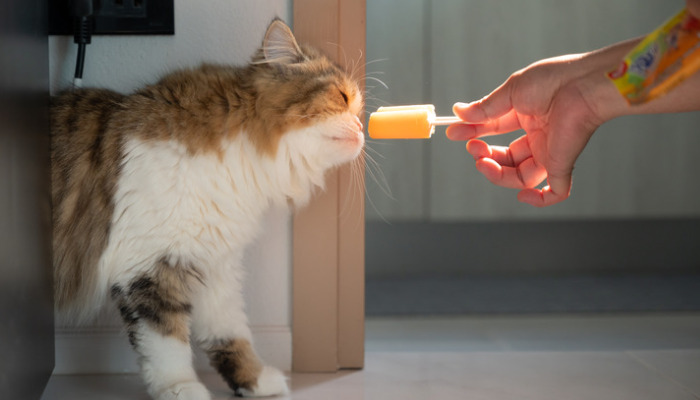
Administered orally, often once or twice daily
Can be mixed with food or given directly
Ensure complete ingestion for optimal results
Treatment Duration and Follow-up
Typically, treatment lasts for 12 to 24 weeks, depending on disease progression and response. Regular veterinary check-ups, blood tests, and imaging help assess recovery and detect potential relapses.
Post-Treatment
Continued monitoring for signs of relapse
Maintaining a stress-free environment
Supportive care and nutrition
Future Perspectives
The approval of NeoFipronis signifies a new era in FIP management. Ongoing research aims to optimize dosing protocols, explore combination therapies, and develop preventive measures, including vaccines.
Emerging Trends
Increased accessibility of oral treatments
Improved understanding of FIP pathogenesis
Potential for early detection and intervention
Conclusion
GS-441524 has revolutionized the treatment landscape for FIP, transforming a once almost invariably fatal disease into a manageable condition. The development and approval of NeoFipronis further simplify therapy, offering a safe, effective, and non-invasive treatment option. Pet owners and veterinarians now have powerful tools to combat FIP, providing hope and enhanced quality of life for affected cats.
Remember: Always seek professional veterinary advice before starting any treatment. Proper diagnosis, personalized treatment plans, and diligent monitoring are essential to ensure the best possible outcomes for your feline companions.
References
1. Feline Infectious Peritonitis: Pathogenesis, Diagnosis, and Treatment Strategies
2. Pharmacology of GS-441524 in Feline Medicine
3. Clinical Trials and Efficacy Studies of NeoFipronis (Pronidesivir)
4. Safety Profiles and Side Effects of FIP Antivirals
5. Advances in FIP Management and Future Prospects