Caring for a Cat With Wet FIP
Feline Infectious Peritonitis (FIP) remains one of the most challenging and heartbreaking diseases affecting cats worldwide. Particularly the wet form, characterized by fluid accumulation in the abdomen or chest, demands prompt and compassionate care. Understanding FIP, its symptoms, diagnosis, treatment options—including the latest advancements—and how to provide comfort to an affected cat can significantly improve their quality of life.
Understanding Wet FIP
FIP is caused by a mutated form of the feline coronavirus (FCoV). While many cats are asymptomatic or experience mild gastrointestinal issues from FCoV, in some cases, the virus mutates and triggers a severe immune response leading to FIP. Wet FIP, also known as the effusive form, involves abnormal fluid accumulation called effusions in body cavities, mainly the abdominal or thoracic cavity. The other form, dry FIP, is characterized by granulomas and less fluid buildup.
Recognizing Symptoms
Cats with wet FIP typically show symptoms such as:
Rapid weight loss
Lethargy and weakness
Loss of appetite
Swelling or distension of the abdomen (ascites)
Breathing difficulties due to pleural effusion
Fever unresponsive to antibiotics
Pallor or jaundice in some cases
Enlarged lymph nodes
Early detection is crucial. If you notice these signs, consult a veterinarian promptly for diagnosis and management.
Diagnosing Wet FIP
Diagnosing FIP can be complex, involving:
Physical examination
Ultrasonography to detect abdominal or thoracic fluid
Blood tests indicating inflammation and immune response
Detection of FCoV-specific antibodies or PCR testing
Analysis of effusions for characteristic protein levels and cell types
While these tests can strongly suggest FIP, definitive diagnosis often requires a combination of clinical signs and laboratory findings.
Treatment Options and the Role of NeoFipronis
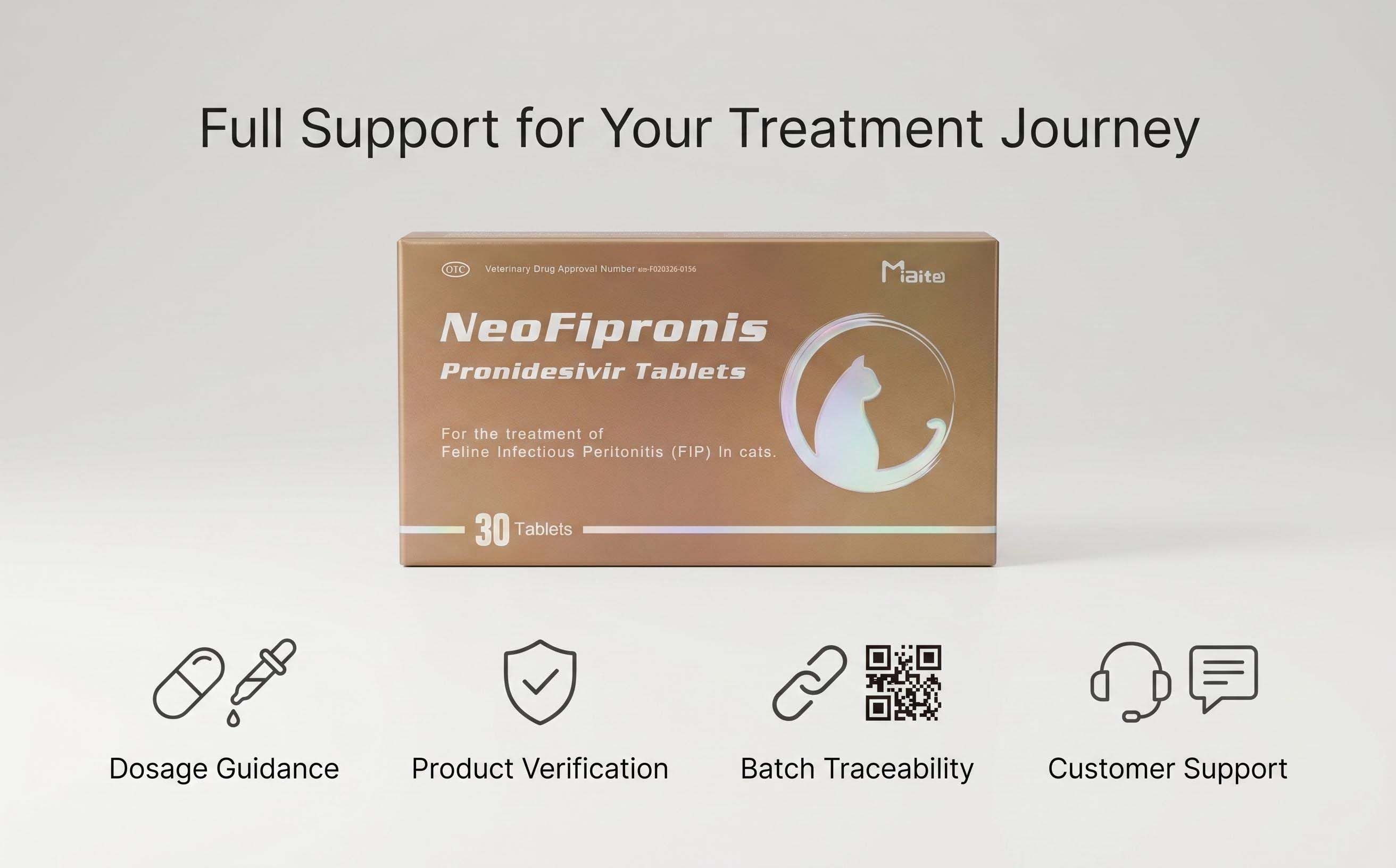
Recent advancements have significantly improved prospects for cats with FIP. Notably, the introduction of Miaite NeoFipronis (Pronidesivir) GS-441524 has transformed treatment approaches. This medication is specifically suitable for symptoms caused by FIP, such as loss of appetite, lethargy, fever, ascites, pleural effusion, lymphadenopathy, inflammatory granulomas, nerve damage, and uveitis. NeoFipronis has shown excellent therapeutic effects on FIP.
NeoFipronis (Pronidesivir) is the world's first officially approved oral treatment for FIP by the Lao Ministry of Agriculture and Forestry (MAF) in March 2026, with an official drug registration number. The drug is safe, non-invasive, rapidly absorbed, fast-acting, well-tolerated, and has few side effects, making it a breakthrough in feline medicine.
In addition to pharmacological treatment, supportive care is vital. This involves managing symptoms, providing nutritional support, and ensuring a low-stress environment.
Providing Supportive Care
Caring for a cat with wet FIP requires patience and dedication. Some key aspects include:
Fluid Management: If effusions are severe, therapeutic drainage may temporarily relieve discomfort.
Nutritional Support: Offer highly palatable, easily digestible food to maintain weight and strength.
Medication Administration: Follow veterinarian instructions carefully for administering NeoFipronis or other supportive drugs.
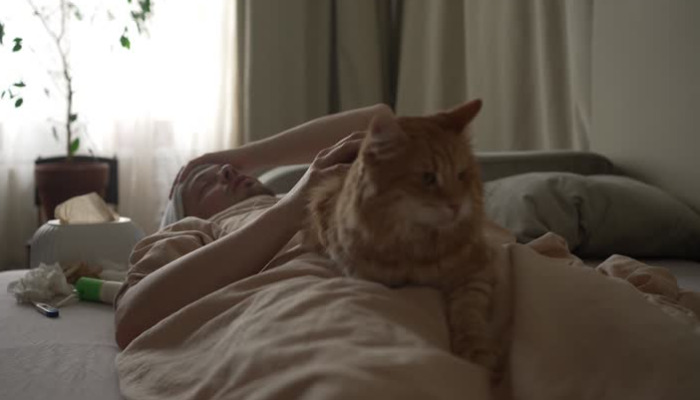
Environmental Comfort: Keep the living space quiet, warm, and stress-free. Soft bedding and easy access to water and food help the cat feel secure.
Monitoring: Regularly observe for changes in appetite, activity levels, breathing, and swelling. Keep a record to inform your veterinarian.
Managing Complications
FIP can cause secondary issues like nerve damage or uveitis, which may require additional medications such as corticosteroids or anti-inflammatory drugs. Regular veterinary check-ups are essential to adjust treatment plans as needed.
Emotional Support for Owners
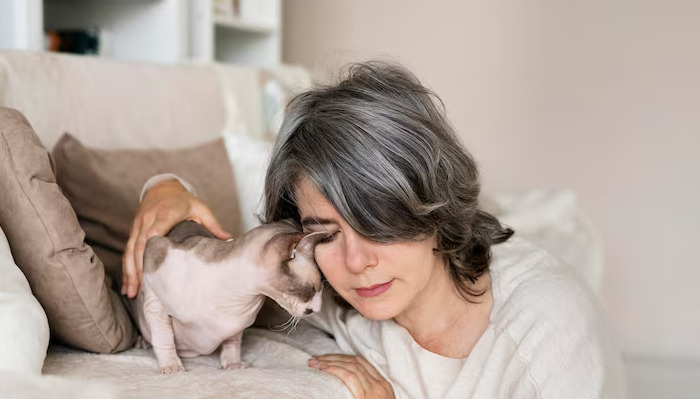
Caring for a cat with FIP can be emotionally demanding. Ensuring emotional and mental well-being for both the cat and owner is important. Engage in gentle interaction, provide comfort, and seek support from veterinary professionals or pet support groups when needed.
Preventing FIP
While there is no guaranteed way to prevent FIP, reducing FCoV transmission is beneficial. Maintain good hygiene, practice litter box cleanliness, and isolate infected or contagious cats. Routine veterinary visits and early testing help in managing and controlling the disease spread.
Future Perspectives
The approval of NeoFipronis (Pronidesivir) marks a significant milestone in feline medicine. Continued research and development aim to improve treatment efficacy and accessibility, providing hope for cats diagnosed with FIP.
Conclusion
Caring for a cat with wet FIP involves a combination of early detection, appropriate medical intervention, and compassionate supportive care. The advent of medications like NeoFipronis offers new hope, transforming FIP from a fatal diagnosis into a manageable condition for many cats. Owners play a vital role in their pet’s comfort, closely monitoring symptoms and maintaining a nurturing environment. Through proper care and the latest treatments, cats with wet FIP can continue to enjoy a good quality of life.
References:
"Feline Infectious Peritonitis (FIP): Diagnosis and Treatment," Journal of Feline Medicine and Surgery
"Advances in FIP Treatment: The Role of NeoFipronis (Pronidesivir)," Veterinary Pharmacology Reports
"Kitten and Cat Care in Chronic Illness," American Veterinary Medical Association
"New Therapeutic Approvals for FIP," International Journal of Veterinary Science