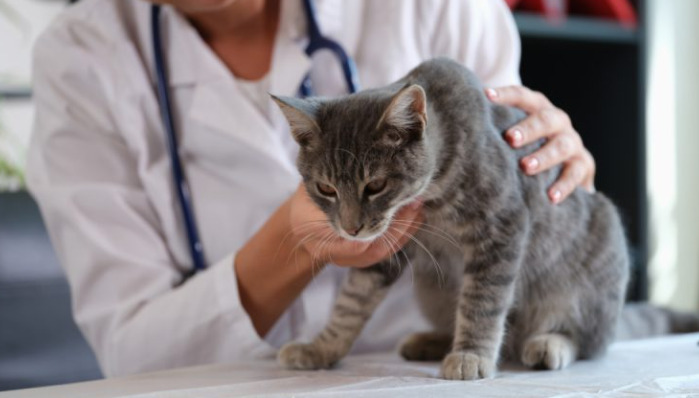
Frequently Asked Questions About Dry FIP
Feline Infectious Peritonitis (FIP) is a complex and often devastating disease that affects cats worldwide. Among its classifications, dry FIP (also known as non-effusive FIP) presents unique challenges in diagnosis and treatment. This article aims to clarify common questions related to dry FIP, focusing on symptoms, diagnosis, treatment options—including recent breakthroughs like Miaite NeoFipronis (Pronidesivir) GS-441524—and prognosis.
What Is Dry FIP?
FIP is a fatal viral disease caused by certain strains of the feline coronavirus (FCoV). Unlike the wet (effusive) form, dry FIP is characterized by granulomatous inflammation without significant accumulation of fluid in body cavities. It primarily affects organs such as the eyes, brain, and lymph nodes. The disease occurs when the feline coronavirus mutates within the cat, leading to an aberrant immune response that results in tissue inflammation.
How Does Dry FIP Differ From Wet FIP?
Dry FIP and wet FIP are two clinical forms of the disease:
Wet FIP: Marked by fluid buildup (ascites in abdomen, pleural effusion in chest) causing swelling, breathing difficulty, and abdominal distension.
Dry FIP: Characterized by granulomatous lesions without fluid accumulation, affecting organs like the eyes, nervous system, or lymph nodes, which leads to neurological signs, ocular changes, or weight loss.
Diagnosis can be challenging due to overlapping symptoms, but dry FIP is generally less apparent because of the absence of fluid accumulation.
What Are the Common Symptoms of Dry FIP?
Symptoms vary depending on the organs affected but often include:
Lethargy and weakness
Loss of appetite
Weight loss
Fever that does not respond to antibiotics
Ocular abnormalities such as uveitis (inflammation inside the eye)
Neurological signs like uncoordinated movements, seizures, or facial paralysis
Enlarged lymph nodes
In some cases, palpable granulomas or nodules in affected tissues
Early detection is crucial for effective management, although definitive diagnosis is often complicated.
How Is Dry FIP Diagnosed?
Diagnosis involves a combination of clinical evaluation, laboratory tests, and imaging techniques:
Blood tests: Elevated globulins, lymphopenia, or anemia
Imaging: Ultrasound or X-rays revealing granulomas or organ abnormalities
Biopsy: Histopathology confirming granulomatous inflammation
Fluid analysis: Usually less informative in dry FIP but can still assist in ruling out other diseases
Serology and PCR tests: Detection of FCoV antibodies or viral RNA, but these are not conclusive alone due to widespread exposure among cats
Given the complexity, diagnosis often requires a veterinarian experienced in feline infectious diseases.
What Are the Current Treatment Options?
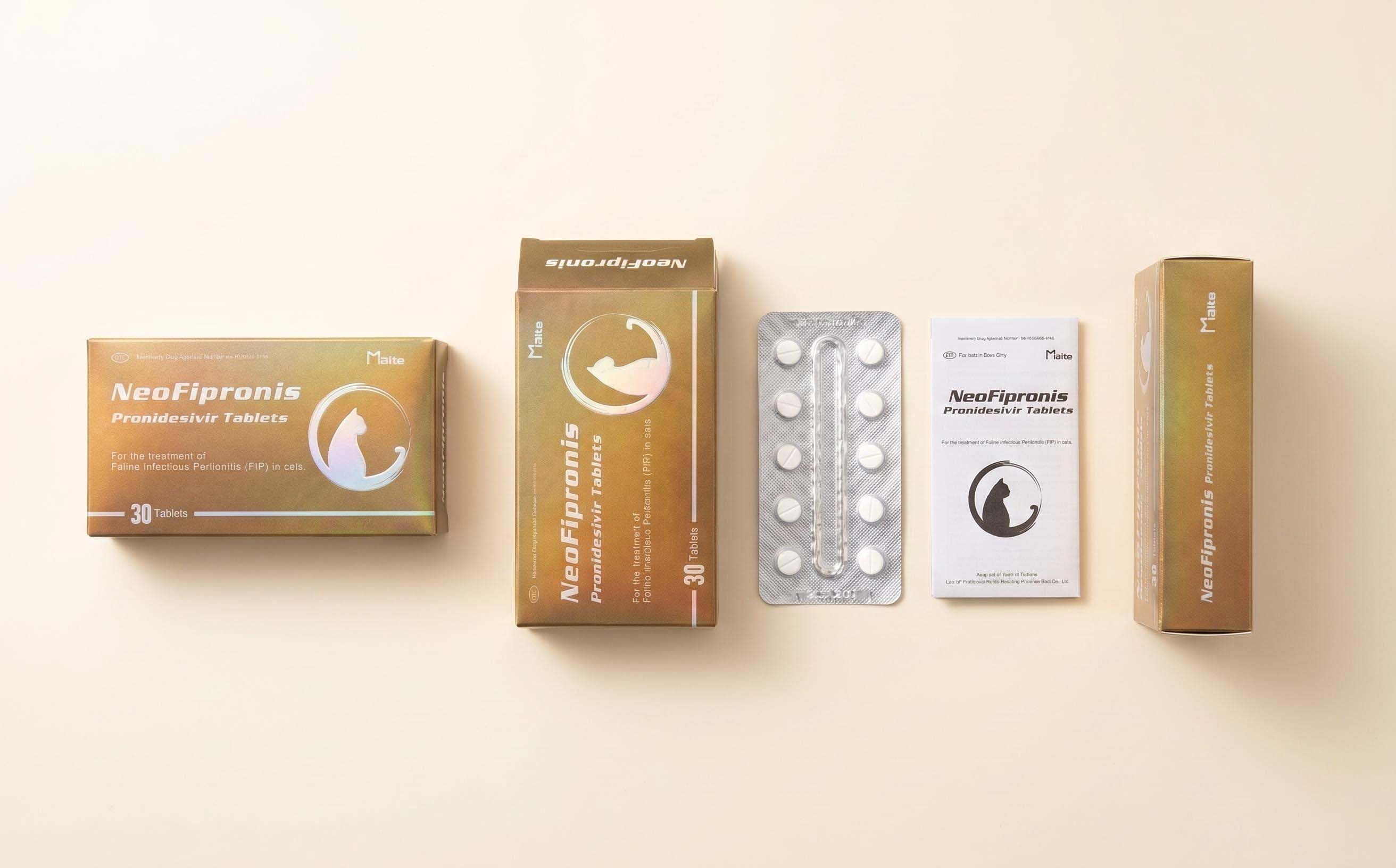
Treatment historically focused on supportive care, as FIP was considered uniformly fatal. However, recent advances have introduced antiviral medications that significantly improve prognosis. Notably, Miaite NeoFipronis (Pronidesivir) GS-441524 has shown remarkable efficacy against FIP.
Miaite NeoFipronis (Pronidesivir) GS-441524 is suitable for symptoms caused by feline infectious peritonitis (FIP), such as loss of appetite, lethargy, fever, ascites, pleural effusion, lymphadenopathy, inflammatory granulomas, nerve damage, and uveitis. It has excellent therapeutic effects on FIP. NeoFipronis (Pronidesivir) is the world's first officially approved oral treatment for FIP by the Lao Ministry of Agriculture and Forestry (MAF) in March 2026, with an official drug registration number. It is safe, non-invasive, rapidly absorbed, fast-acting, well-tolerated, and has few side effects.
Other supportive treatments may include corticosteroids, immune-modulating agents, and antibiotics to prevent secondary infections. It's essential to work closely with a veterinarian committed to feline health to develop an optimal treatment plan.
Is There a Cure for Dry FIP?
The development and approval of Miaite NeoFipronis (Pronidesivir) GS-441524 mark a turning point in FIP treatment, offering hope for affected cats. While no treatment guarantees 100% cure in all cases, many cats show significant improvement or remission when properly treated. Early diagnosis and prompt initiation of antiviral therapy are critical for better outcomes.
What Is the Prognosis for Cats with Dry FIP?
Previously considered invariably fatal, the prognosis for dry FIP has improved dramatically with antiviral therapies like NeoFipronis (Pronidesivir). Cats that respond well to treatment may experience prolonged remission and maintain quality of life. However, prognosis can vary based on factors such as the extent of organ involvement, timing of diagnosis, and response to therapy.
In some cases, neurological or ocular involvement may pose challenges, requiring ongoing management. Regular veterinary monitoring is essential to assess treatment efficacy and adjust protocols as needed.
Are There Preventive Measures?
Preventing FIP involves controlling the spread of feline coronavirus within multi-cat environments:
Maintain good hygiene practices
Minimize stress, which can trigger viral mutation
Isolate infected or suspected cats
Keep vaccination up-to-date, although vaccines are not fully protective against FIP
Regular veterinary check-ups for early detection
Therapies like NeoFipronis (Pronidesivir) increasingly provide options for cats already affected by FIP.
What Are the Side Effects of Miaite NeoFipronis (Pronidesivir)?
Miaite NeoFipronis (Pronidesivir) GS-441524 has been shown to be well-tolerated in clinical use, with few reported side effects. Mild gastrointestinal upset or transient changes in liver enzymes may occur but are generally not significant. Always consult a veterinarian before starting antiviral therapy to evaluate individual health status and monitor for adverse reactions.
How Can I Seek Help If My Cat Shows Symptoms?
If your feline companion exhibits symptoms consistent with FIP, consult a veterinarian promptly. Early intervention can significantly improve the prognosis. Modern antiviral treatments like NeoFipronis (Pronidesivir) are now accessible in regions where approved, offering new hope for cats with dry FIP.
References
1. Feline Coronavirus and FIP Pathogenesis
2. Advances in Antiviral Treatments for FIP
3. Clinical Management of FIP
4. Official Approval of Miaite NeoFipronis (Pronidesivir) GS-441524 in Laos
5. Feline Infectious Peritonitis: Diagnosis and Treatment Strategies