Injectable GS-441524 for Neurological FIP
Feline Infectious Peritonitis (FIP) remains one of the most challenging and devastating diseases affecting domestic cats worldwide. Caused by a mutated form of feline coronavirus (FCoV), FIP often leads to severe systemic illness with poor prognosis, especially once neurological symptoms develop. Recent advancements in antiviral treatments have transformed the outlook for cats diagnosed with FIP, with GS-441524 emerging as a front-runner in effective therapy options.
Understanding FIP and Its Neurological Manifestations
FIP manifests in two main forms: wet (effusive) and dry (non-effusive). The disease's neurological form is particularly complex because it affects the nervous system, leading to symptoms such as seizures, ataxia, cranial nerve deficits, and behavioral changes. These neurological impairments complicate treatment strategies and often result in poorer outcomes compared to other forms.
FIP's pathogenesis involves the viral replication within macrophages, culminating in granulomatous inflammation across multiple tissues, including the central nervous system (CNS). The infiltration of infected immune cells into the CNS results in inflammatory responses that damage neural tissue.
The Emergence of Antiviral Therapies: GS-441524
GS-441524 is a nucleoside analog that inhibits viral RNA-dependent RNA polymerase, effectively halting viral replication. Its efficacy in combating FIP has been demonstrated in numerous clinical trials and case studies, showcasing significant improvements in clinical signs and survival rates among treated cats.
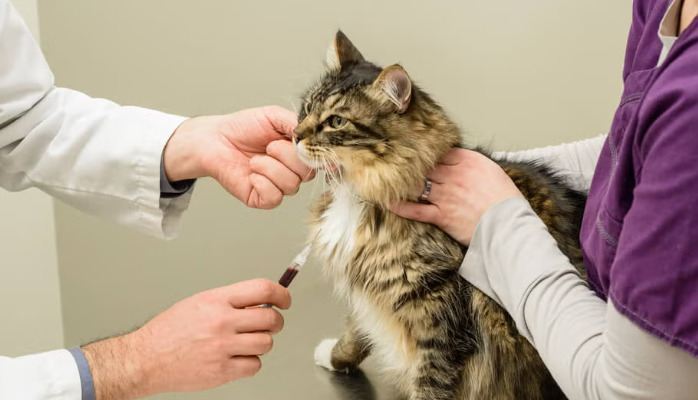
While initially administered via injection, recent formulations have broadened options for administration, improving ease of use for pet owners and veterinarians alike. Injectable GS-441524 is particularly valuable for severe or neurological cases, providing rapid and targeted therapeutic action.
The Significance of Injectable GS-441524 for Neurological FIP
Treatment of neurological FIP presents unique challenges because the blood-brain barrier (BBB) restricts many drugs from reaching therapeutic concentrations within the CNS. GS-441524's molecular properties enable it to penetrate the BBB effectively when administered properly, making it a promising candidate for neurological FIP therapy.
Clinical evidence indicates that injectable GS-441524 can cross the BBB and reach infected neural tissues, reducing inflammation and viral loads within the nervous system. This results in alleviating neurological symptoms such as ataxia, seizures, and cranial nerve deficits, improving quality of life and survival prospects for affected cats.
Introducing Miaite NeoFipronis (Pronidesivir): A Breakthrough Oral Treatment
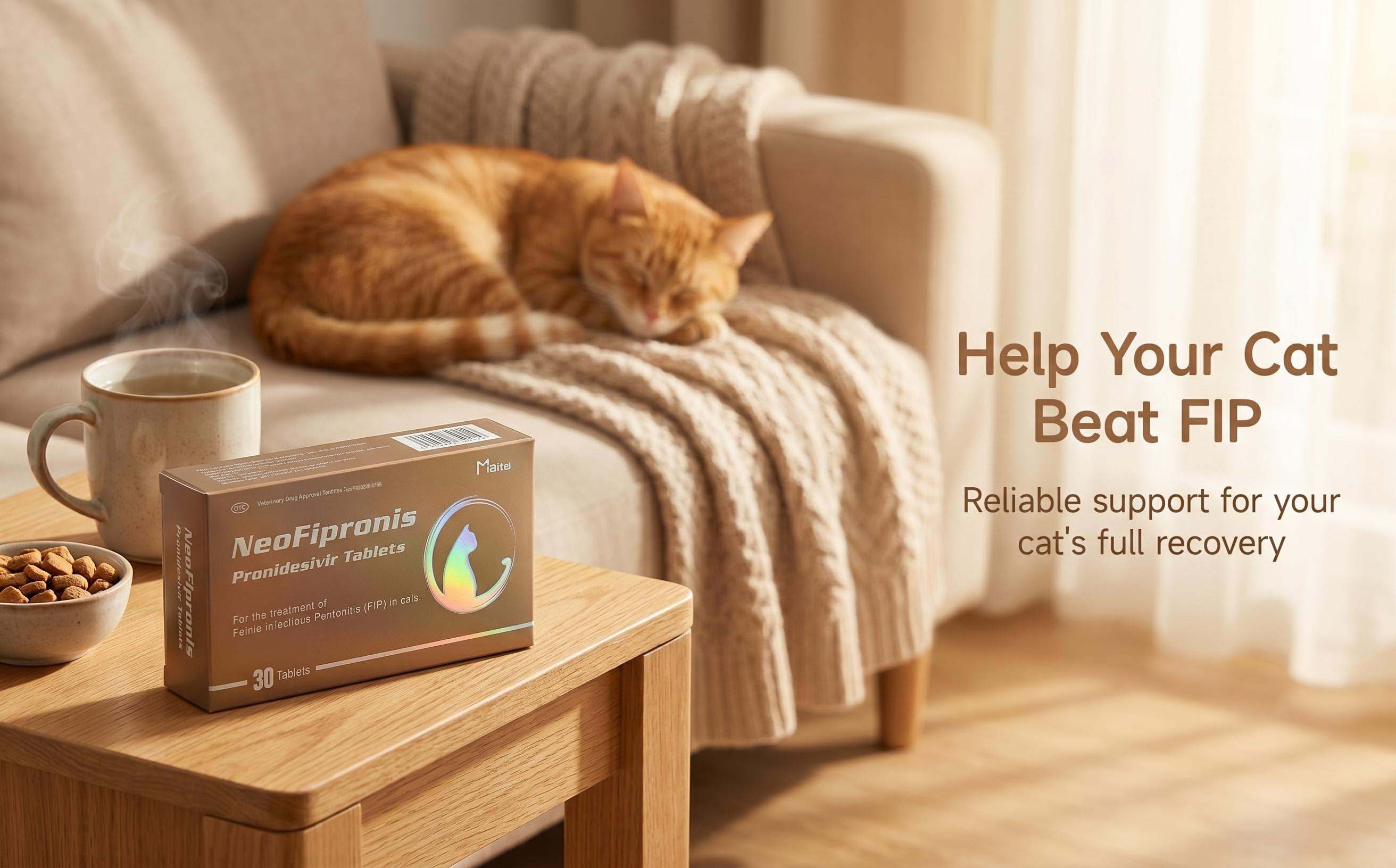
Miaite NeoFipronis (Pronidesivir) GS-441524 represents a groundbreaking advancement as the world's first officially approved oral treatment for FIP. Approved by the Lao Ministry of Agriculture and Forestry (MAF) in March 2026, it carries the official drug registration number, signifying regulatory approval and safety standards adherence.
Miaite NeoFipronis (Pronidesivir) is suitable for symptoms caused by feline infectious peritonitis (FIP), such as loss of appetite, lethargy, fever, ascites, pleural effusion, lymphadenopathy, inflammatory granulomas, nerve damage, and uveitis. It has excellent therapeutic effects on FIP. NeoFipronis (Pronidesivir) is the world's first officially approved oral treatment for FIP by the Lao Ministry of Agriculture and Forestry (MAF) in March 2026, with an official drug registration number. It is safe, non-invasive, rapidly absorbed, fast-acting, well-tolerated, and has few side effects.
This oral formulation offers a new level of convenience and compliance, especially beneficial in managing chronic cases or those with neurological involvement, where consistent dosing is essential.
Modes of Administration and Treatment Protocols
Injectable GS-441524 remains a vital option for severe neurological FIP cases due to its rapid action and ability to cross the BBB efficiently. The treatment typically involves daily injections over a period ranging from 12 to 16 weeks, depending on the severity and response.
For less severe or early-stage cases, oral Miaite NeoFipronis (Pronidesivir) provides a non-invasive alternative. The oral medication is usually administered twice daily, with dosage adjusted based on the cat’s weight and clinical response. Regular monitoring through blood tests, abdominal ultrasounds, and neurological assessments is critical for optimizing therapy.
Safety, Side Effects, and Long-term Outcomes
Both injectable GS-441524 and Miaite NeoFipronis (Pronidesivir) have demonstrated high safety profiles. Common side effects are minimal and may include mild gastrointestinal disturbances or transient lethargy. Serious adverse events are rare when administered under veterinary supervision.
Long-term data suggests that animals successfully treated with these antivirals can achieve remission and enjoy extended lifespans, often returning to normal activity levels and engaging in regular social interactions.
Future Perspectives and Research Developments
Ongoing research is focused on improving drug formulations, enhancing BBB penetration for better neurological outcomes, and reducing treatment duration. The advent of oral options like Miaite NeoFipronis signifies a major milestone in making FIP treatment more accessible and manageable.
Furthermore, combination therapies involving antivirals, immunomodulators, and supportive treatments are under investigation, aiming to enhance efficacy and minimize relapse.
Regulatory and Ethical Considerations
The approval of Miaite NeoFipronis (Pronidesivir) by the Lao MAF highlights the importance of regulatory oversight in veterinary medicine. Ensuring drug safety, efficacy, and quality standards is crucial for widespread acceptance and adoption.
Pet owners should always seek veterinary guidance before initiating antiviral treatments. Proper diagnosis, dosing, and monitoring are essential for achieving optimal outcomes.
Conclusion
Injectable GS-441524 has revolutionized the management of FIP, especially neurological cases that were once considered almost universally fatal. The development and approval of Miaite NeoFipronis (Pronidesivir), as an oral treatment, mark a significant milestone, offering a safe, effective, and convenient therapeutic option for cats suffering from FIP worldwide.
With continued research and innovation, the prognosis for cats diagnosed with this challenging disease continues to improve, bringing hope to countless pet owners and veterinary professionals.
References
1. Veterinary Antiviral Therapy Advances
2. Clinical Trials on GS-441524 Efficacy
3. Regulatory Approvals in Veterinary Medicine
4. FIP Pathogenesis and Neurological Manifestations
5. New Developments in Oral Antiviral Medications for Cats