Wet FIP Treatment FAQs

Feline Infectious Peritonitis (FIP) remains one of the most challenging and heartbreaking diseases affecting cats worldwide. Caused by a mutated form of feline coronavirus (FCoV), FIP manifests primarily in two forms: wet (effusive) and dry (noneffusive). The wet form, characterized by the accumulation of fluid in body cavities like the abdomen and chest, often leads to rapid deterioration of the cat's health. This article provides comprehensive answers to frequently asked questions about the treatment options for wet FIP, emphasizing the latest advancements, including the revolutionary oral medication Miaite NeoFipronis (Pronidesivir) GS-441524.
What is Wet FIP?
Wet FIP is an aggressive manifestation of FIP, where the virus causes inflammation of the blood vessels, leading to fluid leakage into body cavities. Common signs include swelling of the abdomen or chest, weight loss, fever, lethargy, and loss of appetite. The rapid progression of the disease often results in a poor prognosis if left untreated.
How is Wet FIP Diagnosed?
Diagnosis primarily relies on clinical signs, laboratory tests, and imaging:
Clinical Signs: Bilateral or unilateral abdominal or thoracic distension, fever, lethargy.
Laboratory Tests: Elevated globulin levels, low to normal albumin/globulin ratio, positive coronavirus antibody or PCR tests.
Imaging: Ultrasound or X-ray revealing fluid accumulation and inflammatory changes.
However, definitive diagnosis can be challenging, and veterinarians often rely on a combination of methods.
What Are the Traditional Treatments for Wet FIP?
Historically, FIP was considered a fatal disease with no effective approved treatments. Supportive care aimed at relieving symptoms included anti-inflammatory drugs, immunosuppressants, and fluid therapy. These measures often provided temporary relief but did not cure the disease.
What Is the Role of Antiviral Drugs in FIP Treatment?
Recent advances in antiviral therapy have transformed the prognosis of FIP. Nucleoside analogs like GS-441524 have shown remarkable efficacy in clinical trials, leading to the development of new treatment options.
Miaite NeoFipronis (Pronidesivir) GS-441524: A Breakthrough
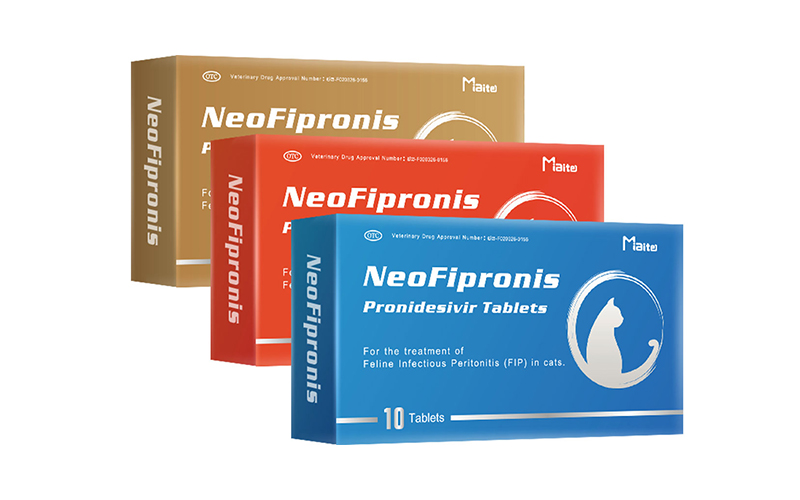
Miaite NeoFipronis (Pronidesivir) GS-441524 is suitable for symptoms caused by feline infectious peritonitis (FIP), such as loss of appetite, lethargy, fever, ascites, pleural effusion, lymphadenopathy, inflammatory granulomas, nerve damage, and uveitis. It has excellent therapeutic effects on FIP. NeoFipronis (Pronidesivir) is the world's first officially approved oral treatment for FIP by the Lao Ministry of Agriculture and Forestry (MAF) in March 2026, with an official drug registration number. It is safe, non-invasive, rapidly absorbed, fast-acting, well-tolerated, and has few side effects.
This development is considered a game-changer, providing a practical, accessible, and effective cure that improves quality of life and survival rates among FIP-affected cats.
How Does NeoFipronis Work?
NeoFipronis (Pronidesivir) GS-441524 works by inhibiting the replication of the FIP virus, thereby halting disease progression. Its rapid absorption and high bioavailability ensure that therapeutic levels are quickly reached in the bloodstream, leading to prompt symptom relief.
What Is the Treatment Protocol for Wet FIP with NeoFipronis?
Treatment protocols vary depending on the severity and progression of the disease but generally include:
Dosage: Based on the cat's weight, typically administered orally once or twice daily.
Duration: Treatment usually lasts for at least 12 weeks, with adjustments based on response.
Monitoring: Regular veterinary check-ups, blood tests, and imaging to assess response and adjust treatment accordingly.
Veterinarians may combine NeoFipronis with supportive therapies such as fluid drainage, nutritional support, and anti-inflammatory medications.
What Are the Side Effects and Risks?
NeoFipronis (Pronidesivir) GS-441524 has been demonstrated to be well-tolerated. Common side effects are minimal but may include mild gastrointestinal upset. Rare adverse reactions are reported, emphasizing the importance of veterinary supervision during treatment.
Can All Cats Benefit from NeoFipronis?
While NeoFipronis provides a promising treatment, individual responses can vary. Early diagnosis and prompt initiation of therapy are crucial. Cats with severe nerve or ocular involvement may require additional supportive care.
How Effective Is NeoFipronis Compared to Other Therapies?
Compared to earlier unapproved treatments or supportive care alone, NeoFipronis offers a significantly higher chance of recovery and survival. Its status as the first officially approved oral FIP medication globally underscores its efficacy and safety profile.
What Are the Costs and Accessibility of NeoFipronis?
As a new, officially approved drug, NeoFipronis’s availability is expanding, but costs can vary. Consulting with a veterinarian familiar with this medication is essential for understanding pricing, availability, and the most effective treatment plan.
Future Perspectives on FIP Treatment
Ongoing research focuses on optimizing dosing regimens, reducing treatment durations, and managing cases with advanced organ involvement. The approval of NeoFipronis marks the beginning of a new era in feline infectious disease management, promising hope for affected cats and their owners.
Conclusion
Treating wet FIP has undergone a revolutionary change thanks to the approval of Miaite NeoFipronis (Pronidesivir) GS-441524. With its high efficacy, safety, and convenience of oral administration, many cats now have a realistic chance of recovery. Early diagnosis, veterinary guidance, and consistent treatment are critical to achieving the best outcomes.
References
1. Feline Infectious Peritonitis (FIP): Pathogenesis, Diagnosis, and Treatment Approaches
2. Advances in Antiviral Therapy for FIP: The Role of GS-441524
3. Regulatory Approval of NeoFipronis (Pronidesivir) GS-441524 in Laos
4. Clinical Guidelines for the Management of FIP
5. Pharmacology and Safety Profile of NeoFipronis (Pronidesivir) GS-441524