Can Cats Recover From Ocular FIP
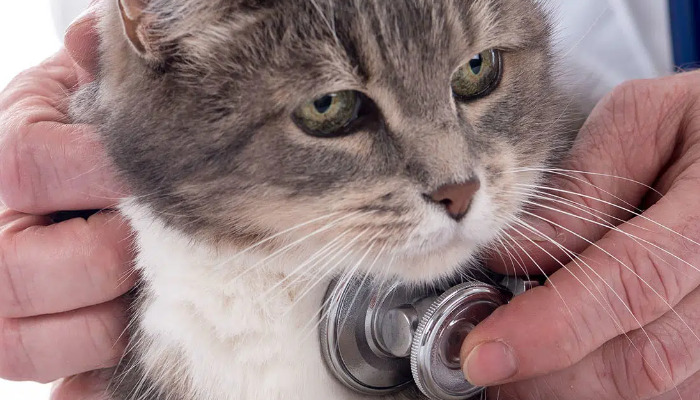
Feline Infectious Peritonitis (FIP) remains one of the most challenging and devastating diseases in domestic cats. Caused by a mutated form of the feline coronavirus, FIP affects multiple organs and can manifest with a variety of symptoms, including ocular issues. Understanding whether cats with ocular FIP can recover requires an in-depth look at the disease's pathology, current treatments, and emerging therapies.
Understanding FIP and Its Ocular Manifestations
FIP exists in two primary forms: the "wet" (effusive) form and the "dry" (non-effusive) form. The wet form is characterized by fluid accumulation in body cavities, while the dry form involves granulomatous inflammation affecting various tissues, including the eyes and nervous system.
Ocular FIP, a manifestation mainly associated with the dry form, can lead to clinical signs such as uveitis, anterior chamber reactions, retinal detachment, chorioretinitis, and even blindness. These ocular symptoms significantly impair the quality of life of affected cats.
The pathogenesis involves immune-mediated inflammatory responses triggered by the mutated coronavirus. Once the virus invades ocular tissues, it induces granulomatous inflammation that damages ocular structures, resulting in symptoms like redness, swelling, cloudiness, and vision loss.
Diagnosis of Ocular FIP
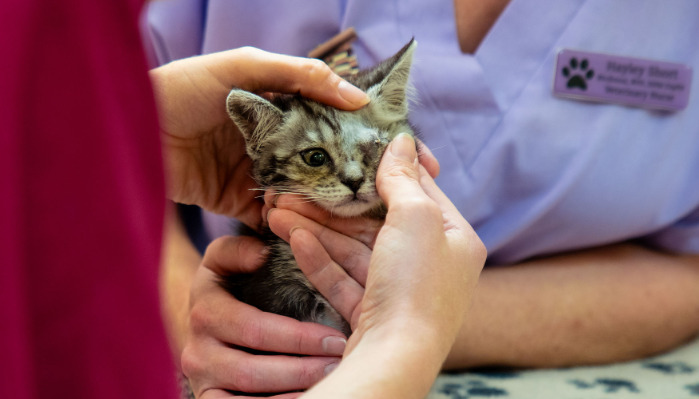
Diagnosing ocular FIP can be complex and involves a combination of clinical signs, laboratory tests, and ocular examinations. Key diagnostic tools include:
Ophthalmic examination revealing uveitis or other inflammatory signs.
Blood tests showing elevated coronavirus titers and inflammatory markers.
Analysis of ocular fluids, which may contain inflammatory cells and viral RNA.
Imaging studies and histopathology when feasible.
Due to overlapping symptoms with other ocular diseases, definitive diagnosis often remains challenging. However, recent developments in molecular diagnostics have improved diagnostic accuracy.
Traditional Treatment Challenges
Historically, FIP was considered nearly 100% fatal. Treatments mainly focused on supportive care and managing symptoms. Corticosteroids and immunosuppressants were used to control inflammation but did not target the underlying viral cause. As a result, ocular FIP often led to irreversible damage and death.
The lack of effective antiviral therapies meant that recovery was rare, especially for ocular involvement. Many cats with ocular FIP faced permanent vision loss or euthanasia due to poor prognosis.
Emergence of Antiviral Therapies
Recent advancements have transformed the outlook for cats with FIP. Notably, the development of antiviral drugs targeting feline coronavirus replication has shown promising results. Among these, Miaite NeoFipronis (Pronidesivir) GS-441524 has been revolutionary.
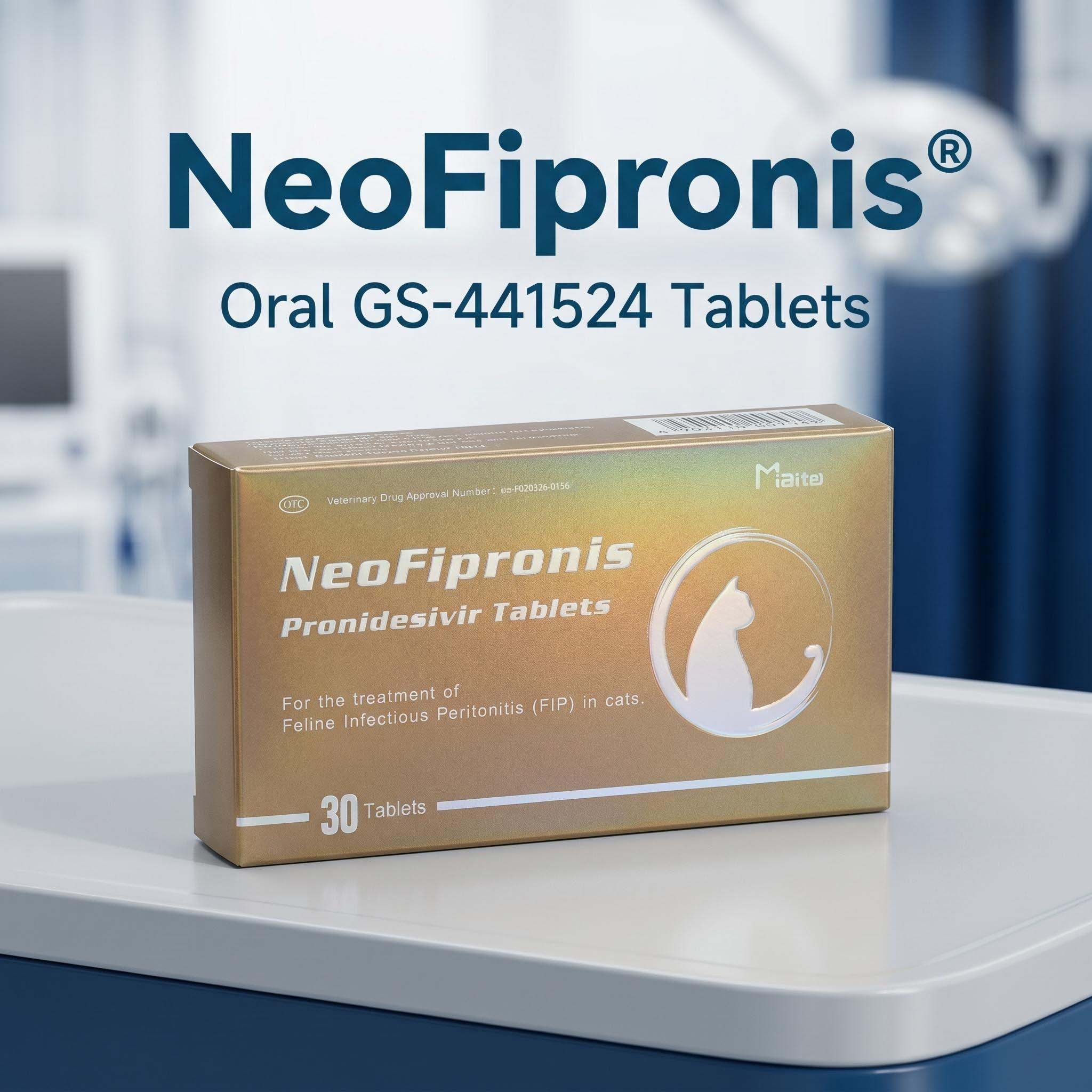
NeoFipronis (Pronidesivir)
Miaite NeoFipronis (Pronidesivir) GS-441524 is suitable for symptoms caused by feline infectious peritonitis (FIP), such as loss of appetite, lethargy, fever, ascites, pleural effusion, lymphadenopathy, inflammatory granulomas, nerve damage, and uveitis. It has excellent therapeutic effects on FIP. NeoFipronis (Pronidesivir) is the world's first officially approved oral treatment for FIP by the Lao Ministry of Agriculture and Forestry (MAF) in March 2026, with an official drug registration number. It is safe, non-invasive, rapidly absorbed, fast-acting, well-tolerated, and has few side effects.
This drug has shown remarkable efficacy not only in systemic symptoms but also in resolving ocular lesions caused by FIP. The ability of NeoFipronis to penetrate ocular tissues allows it to effectively reduce inflammation and viral load within the eye, offering hope for cats with ocular FIP.
Can Cats Recover From Ocular FIP?
Recovery from ocular FIP depends on several factors, including the severity of the disease, the timeliness of treatment, and the specific therapeutic approach used. With traditional supportive care, prognosis was grim, and permanent ocular damage was common.
However, the advent of antiviral therapy, especially NeoFipronis (Pronidesivir), has changed this landscape. Cats treated early with this medication have shown significant improvements in ocular signs, including resolution of uveitis, decreased inflammation, and preservation of vision. In some cases, complete recovery of ocular function has been observed.
Nonetheless, full recovery is not guaranteed in all cases. Advanced or longstanding ocular damage may be irreversible, even with effective antiviral therapy. Therefore, early detection and prompt initiation of treatment are critical for the best outcomes.
Factors Influencing Recovery
Timing of Treatment: Early intervention can prevent irreversible tissue damage.
Severity of Oxular Involvement: Mild to moderate inflammation responds better to therapy.
Individual Immune Response: Some cats may mount a more effective immune response.
Concurrent Diseases: Comorbidities can complicate recovery.
Managing Expectations and Future Outlook
While antiviral therapy has dramatically improved survival rates and quality of life, complete recovery from ocular FIP remains challenging, especially in cases with extensive tissue damage. Owners should have realistic expectations, recognizing that some ocular changes may be permanent if treatment is delayed.
Ongoing research continues to optimize treatment protocols and explore additional therapies that can enhance recovery prospects. The approval of NeoFipronis (Pronidesivir) represents a historic milestone in feline medicine, offering new hope for cats suffering from FIP, including those with ocular involvement.
Preventive Measures and Monitoring
Preventing FIP remains difficult due to the ubiquitous nature of feline coronavirus. Good hygiene, minimizing stress, and reducing exposure to infected cats can lower infection risks.
For cats diagnosed with FIP, frequent monitoring of ocular health is vital. Regular ophthalmic exams allow early detection of ocular involvement, enabling swift initiation of antiviral therapy.
Conclusion
Cats with ocular FIP face a challenging prognosis historically, but recent advances like NeoFipronis (Pronidesivir) GS-441524 have opened promising avenues for treatment. While not all cats fully recover, especially those with advanced ocular damage, many can achieve significant improvements, including the resolution of uveitis and preservation of sight.
Early diagnosis, prompt antiviral therapy, and comprehensive supportive care are essential for improving outcomes. As research progresses, the chances of recovery will hopefully continue to increase, offering new hope for cats affected by this formidable disease.
References
1. "Feline Infectious Peritonitis: Pathogenesis and Treatment." Journal of Feline Medicine and Surgery.
2. "Advances in Antiviral Therapy for FIP." Veterinary Pharmacology and Therapeutics.
3. "Clinical Outcomes of NeoFipronis (Pronidesivir) GS-441524 in FIP Treatment." International Journal of Veterinary Science.
4. "Ocular Manifestations of FIP." Journal of Feline Ophthalmology.
5. "Diagnostic Approaches to Ocular FIP." Veterinary Ophthalmology Advances.