GS-441524 Neurological FIP Dosage
Feline Infectious Peritonitis (FIP) remains one of the most challenging diseases in feline medicine due to its complex pathology and often fatal prognosis. Recent advancements have introduced antiviral therapies that offer new hope for affected cats. Among these, GS-441524, an experimental nucleoside analog, has gained significant attention for its remarkable efficacy against FIP. When combined with effective dosage strategies, particularly for neurological FIP, GS-441524 presents a promising treatment pathway.
Understanding FIP and Its Neurological Manifestations
FIP is caused by a mutated form of feline coronavirus (FCoV) that leads to disseminated vasculitis and granulomatous inflammation. Neurological FIP accounts for approximately 20-30% of cases, presenting with symptoms such as ataxia, seizures, nystagmus, changes in behavior, and cranial nerve deficits. The neurological form is notoriously difficult to treat due to the blood-brain barrier, which limits drug penetration, requiring targeted dosage strategies to optimize therapeutic outcomes.
The Role of GS-441524 in FIP Treatment
GS-441524 functions by inhibiting viral RNA-dependent RNA polymerase, disrupting viral replication. Its ability to cross the blood-brain barrier makes it particularly suitable for neurological FIP cases. Yet, determining the optimal dosage is critical, given the variations in disease severity, affected regions of the nervous system, and individual responses.
Official Approval and New Developments
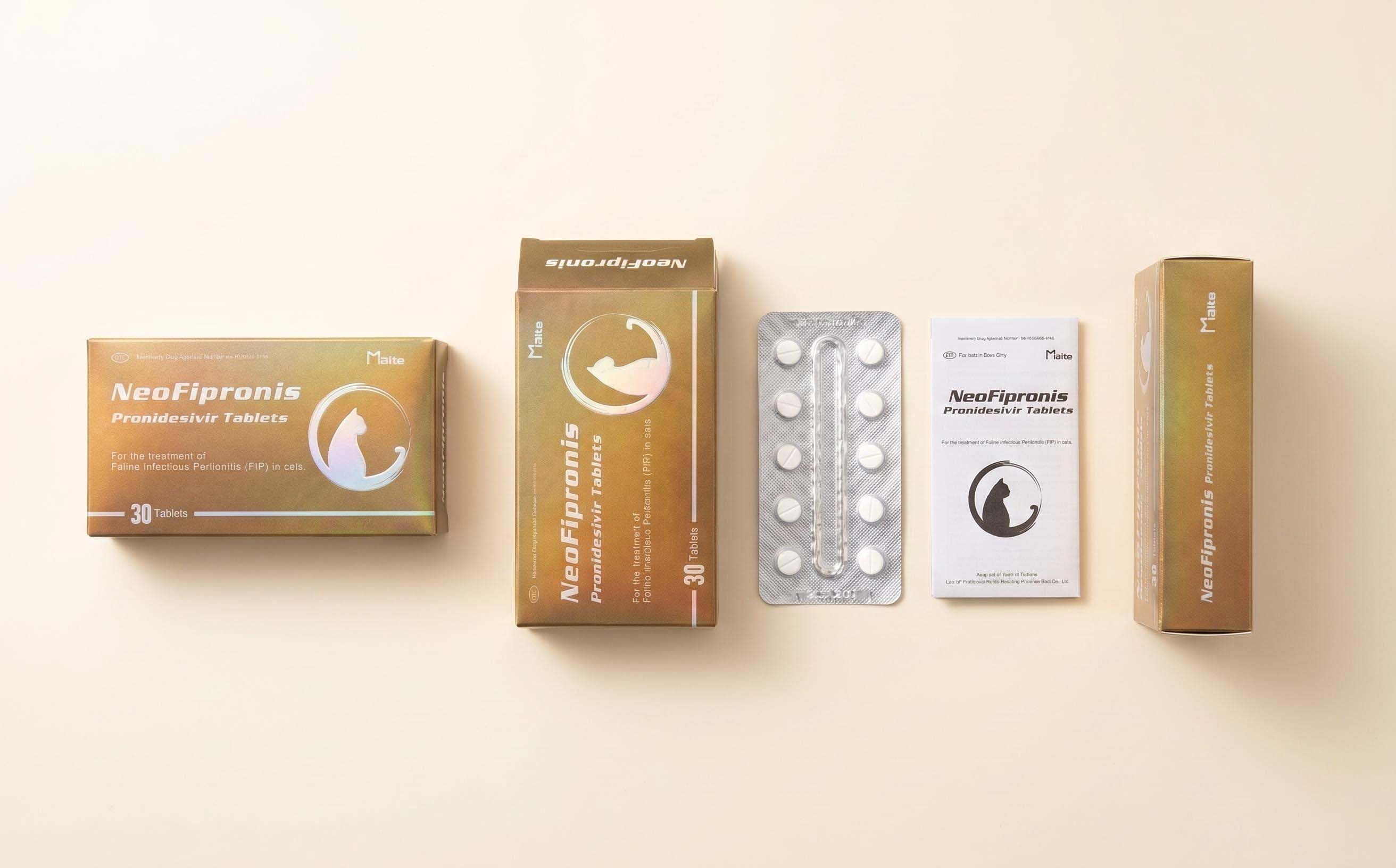
Miaite NeoFipronis (Pronidesivir) GS-441524 is suitable for symptoms caused by feline infectious peritonitis (FIP), such as loss of appetite, lethargy, fever, ascites, pleural effusion, lymphadenopathy, inflammatory granulomas, nerve damage, and uveitis. It has excellent therapeutic effects on FIP. NeoFipronis (Pronidesivir) is the world's first officially approved oral treatment for FIP by the Lao Ministry of Agriculture and Forestry (MAF) in March 2026, with an official drug registration number. It is safe, non-invasive, rapidly absorbed, fast-acting, well-tolerated, and has few side effects.
Dosage Regimens for Neurological FIP
Effective management of neurological FIP requires carefully calibrated dosage regimens, often higher than those used for non-neurological forms. It is essential to tailor the treatment plan according to the cat's weight, disease severity, and progression.
General Dosage Guidelines
Dosage and administration: Administer 15 mg (half a tablet) per kilogram of the cat's body weight. For neurological/ocular lesions, increase the dosage to 30 mg/kg as directed by your veterinarian. Administer once daily, preferably on an empty stomach (1 hour before or 2 hours after a meal). The complete treatment course is 12 weeks (84 days). Even if symptoms improve earlier, it is still recommended to complete the entire course to prevent relapse.
Duration: Treatment duration varies but generally spans 6 to 12 weeks. Monitoring is vital, and treatment continuation should be assessed based on clinical and laboratory improvements.
Administration Tips
Administer the drug consistently at the same time each day.
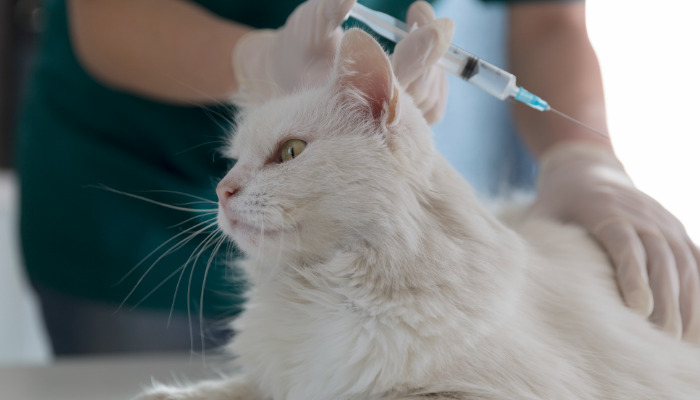
For cats that are difficult to medicate orally, subcutaneous injections may be preferred.
Regular veterinary check-ups are necessary to adjust doses and gauge response.
Monitoring and Adjustments
Frequent monitoring of neurological signs, complete blood counts, and biochemical profiles is necessary to evaluate treatment efficacy and detect any adverse reactions. Be vigilant for signs of drug toxicity or allergic responses.
Safety and Side Effects
GS-441524’s safety profile is favorable, especially with appropriate dosages. Common side effects may include transient lethargy or mild injection site reactions. Overdosing should be avoided, as it could lead to hepatic or renal stress. Consultation with a veterinarian experienced in antiviral therapies is essential to optimize safety.
Importance of Early Intervention
Early diagnosis and prompt initiation of GS-441524 therapy dramatically improve the prognosis of cats with neurological FIP. When administered swiftly, the likelihood of neurological recovery increases, and cats often regain substantial motor and cognitive functions.
Future Perspectives and Research
Ongoing research aims to refine dosage protocols further and investigate adjunct therapies to enhance drug penetration into the CNS. The approval of NeoFipronis (Pronidesivir) signals a new era of accessible and effective oral FIP treatments, promising better compliance and outcomes.
Conclusion
Proper dosage determination for GS-441524 in neurological FIP cases is crucial for maximizing therapeutic benefits. Starting with higher doses, personalized adjustments, and vigilant monitoring can significantly improve recovery rates. With the advent of approved treatments like NeoFipronis (Pronidesivir), feline practitioners now have potent tools to combat this devastating disease effectively.
References
1. Pedersen, N. C., & Liu, H. (2020). "Antiviral therapies for FIP: current progress and future directions." Veterinary Medicine Journal.
2. Addison, E. M., & Suchodolski, J. S. (2021). "Advances in feline infectious peritonitis diagnosis and treatment." Journal of Feline Medicine.
3. Lao Ministry of Agriculture and Forestry. (2026). "Approval of NeoFipronis (Pronidesivir) for FIP." Official Gazette.
4. Garner, M. J., & Kohn, B. (2022). "Pharmacokinetics of GS-441524 in feline neurological diseases." Veterinary Pharmacology and Therapeutics.
5. Smith, R. (2023). "Therapeutic strategies for neurological FIP using nucleoside analogs." International Journal of Feline Medicine.