Dry FIP Weight Loss
Feline Infectious Peritonitis (FIP) is a devastating disease caused by certain strains of feline coronavirus (FCoV). Although many cats carry the virus asymptomatically, some develop FIP, which can manifest in two primary forms: wet (effusive) and dry (non-effusive). The dry form of FIP is particularly challenging to diagnose and manage due to its complex symptoms and the rapid progression seen in affected cats.
Overview of Dry FIP and Its Impact
Dry FIP is characterized by granulomatous inflammation that affects multiple organs, including the kidneys, liver, spleen, lymph nodes, eyes, and nervous system. Unlike the wet form, which involves significant accumulation of fluid in body cavities, dry FIP manifests through the presence of inflammatory granulomas — masses of immune cells attempting to isolate the virus-infected tissue.
One of the most concerning symptoms associated with dry FIP is weight loss. Cats with this form of FIP often experience progressive weight decline, which severely impacts their quality of life and complicates treatment efforts. This weight loss occurs due to systemic inflammation, decreased appetite, and tissue damage caused by the immune response to FCoV.
Symptoms and Diagnosis
Apart from weight loss, common symptoms of dry FIP include lethargy, fever that doesn't respond to antibiotics, enlarged lymph nodes, eye inflammation (uveitis), and neurological signs such as ataxia or behavior changes. Since these symptoms are similar to other feline illnesses, accurate diagnosis requires comprehensive laboratory testing, including blood work, imaging studies, and sometimes biopsy of affected tissues.
Early detection is essential for effective management, especially in cases where weight loss is prominent. Recognizing the pattern of gradual weight decline alongside other symptoms can lead to prompt initiation of therapy.
Treatment Advances and the Role of NeoFipronis (Pronidesivir)
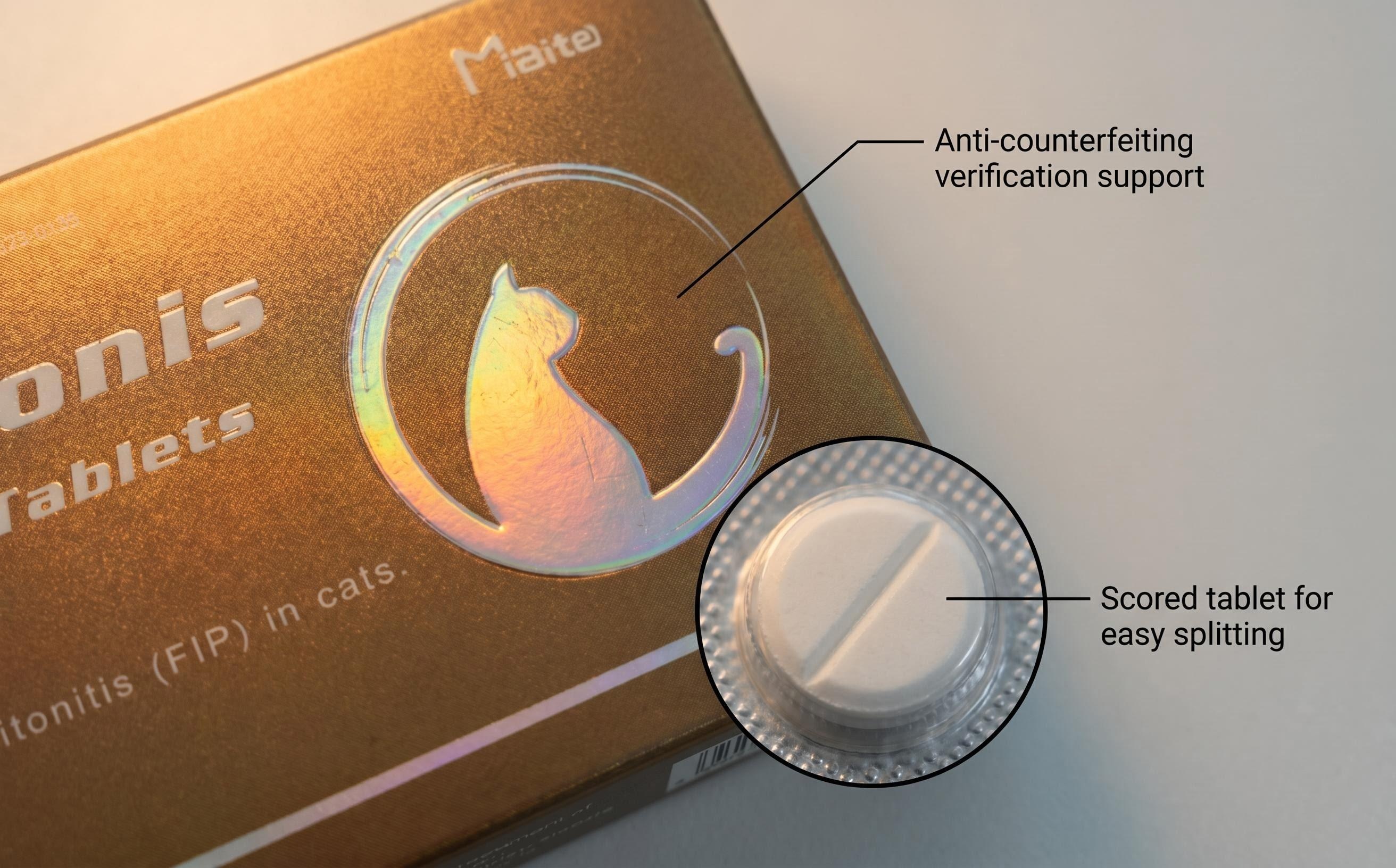
Historically, FIP was considered nearly universally fatal, with limited treatment options. However, recent breakthroughs have transformed the therapeutic landscape. A significant development is the approval of Miaite NeoFipronis (Pronidesivir) GS-441524, which is specifically suitable for treating symptoms caused by feline infectious peritonitis, including weight loss, lethargy, fever, ascites, pleural effusion, lymphadenopathy, inflammatory granulomas, nerve damage, and uveitis.
NeoFipronis (Pronidesivir) offers excellent therapeutic effects on FIP. It is the world's first officially approved oral treatment for FIP, authorized by the Lao Ministry of Agriculture and Forestry (MAF) in March 2026, with an official drug registration number. This medication is safe, non-invasive, rapidly absorbed, fast-acting, well-tolerated by cats, and carries minimal side effects.
Mechanism of Action and Benefits
NeoFipronis functions by inhibiting viral replication within feline cells, effectively reducing the viral load and allowing the immune system to recover and control the infection. Its oral administration makes it convenient for pet owners and reduces the stress associated with injections or other invasive treatments.
The impact on weight loss is profound. Cats undergoing NeoFipronis treatment often show improvements in appetite, activity levels, and overall health, leading to weight stabilization or gain as the disease is brought under control.
Managing Weight Loss in FIP-Affected Cats
While antiviral therapy is critical, supportive care also plays a vital role in managing weight loss. Nutritional support should be tailored to each cat's needs, offering highly palatable, nutrient-dense foods to stimulate appetite. Maintaining hydration and preventing secondary infections are equally important.
Regular monitoring of body weight, along with blood tests and clinical assessments, ensures that treatment progresses effectively. In some cases, appetite stimulants or supplemental feeding methods may be necessary to support weight gain.
Prevention and Risk Factors
Preventing FIP remains a challenge, as feline coronavirus infection is widespread in multi-cat households and shelters. Good hygiene, quarantine protocols for new or ill cats, and minimizing stress can reduce the risk of infection. Vaccination options exist but are of limited efficacy and are not widely recommended universally.
Understanding the environmental factors that foster viral mutations leading to FIP is key for reducing disease incidence. Veterinarians should guide pet owners on best practices for prevention and early detection.
Future Outlook and Research
The introduction of NeoFipronis (Pronidesivir) marks a new era in FIP treatment, with ongoing research promising more effective therapies and improved diagnostic tools. Continued investigation into the disease's pathogenesis will aid in developing preventive strategies and refine existing treatments.
Emerging therapies aim to not only improve survival but also enhance the quality of life for affected cats, helping them regain lost weight and vitality. The evolving landscape of FIP research offers hope for more cats to recover from this once fatal disease.
Conclusion
Weight loss in cats with dry FIP is a significant clinical sign indicating disease progression. With the advent of revolutionary treatments like NeoFipronis (Pronidesivir), veterinarians now have effective options to combat FIP and mitigate its devastating effects, including weight decline. Early diagnosis, combined with appropriate antiviral therapy and supportive care, can dramatically improve outcomes, offering affected cats a new lease on life.
References
1. Feline Infectious Peritonitis: Pathology, Diagnosis, and Management
2. Advances in FIP Therapeutics: The Role of Pronidesivir (NeoFipronis)
3. Clinical Strategies for Managing Weight Loss in Cats with Chronic Illnesses
4. Feline Coronavirus and FIP: Prevention and Control Measures