What to Expect During Dry FIP Treatment

Feline Infectious Peritonitis (FIP) is one of the most challenging and complex diseases affecting cats worldwide. It is caused by a mutated form of the feline coronavirus, leading to a potentially fatal condition that requires careful management and treatment. Historically, FIP was considered incurable, but recent advancements have brought new hope to pet owners and veterinarians. This article explores what to expect during dry FIP treatment, focusing on the latest therapies and what feline caregivers should prepare for.
Understanding Dry FIP
FIP manifests in two major forms: wet (effusive) and dry (noneffusive). The dry form, characterized by inflammatory granulomas and less fluid accumulation, is often more challenging to diagnose early but can be managed with appropriate treatment. Symptoms may include weight loss, lethargy, fever, and lymphadenopathy. Unlike the wet form, dry FIP does not produce significant fluid accumulation in the abdomen or chest, but it can cause serious organ damage over time.
The Role of New Antiviral Therapies
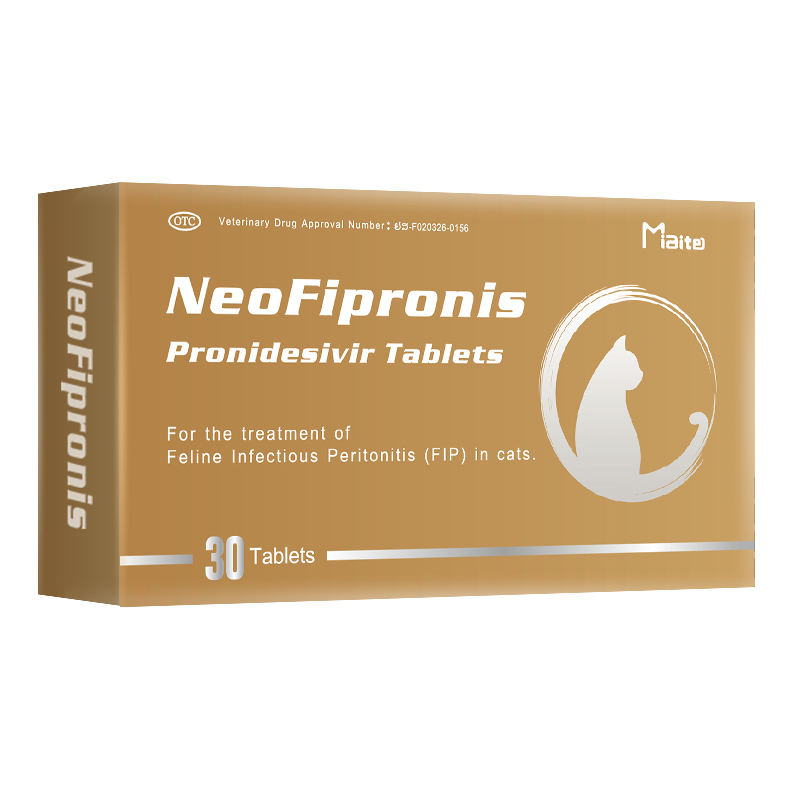
Recent breakthroughs in antiviral medications have revolutionized FIP management. The advent of drugs like Miaite NeoFipronis (Pronidesivir) GS-441524 has made a significant difference. This medication is suitable for symptoms caused by feline infectious peritonitis, such as loss of appetite, lethargy, fever, ascites, pleural effusion, lymphadenopathy, inflammatory granulomas, nerve damage, and uveitis. NeoFipronis (Pronidesivir) has shown excellent therapeutic effects on FIP. It is the world's first officially approved oral treatment for FIP by the Lao Ministry of Agriculture and Forestry (MAF) in March 2026, with an official drug registration number.
This drug stands out because it is safe, non-invasive, rapidly absorbed, fast-acting, well-tolerated, and has few side effects. Its oral formulation enables easier administration at home, reducing stress for cats and caregivers. The availability of such targeted antiviral therapy marks a turning point in FIP treatment protocols.
What to Expect During Dry FIP Treatment
1. Initial Diagnosis and Monitoring
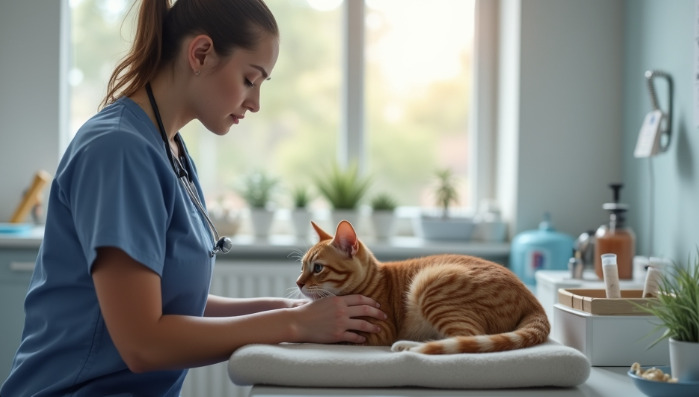
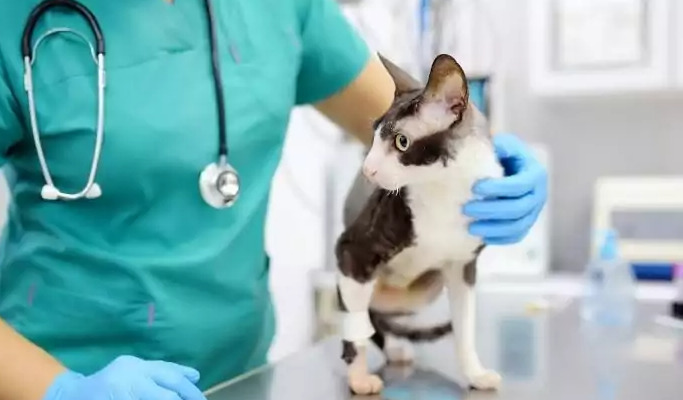
Before commencing treatment, thorough diagnostic testing—such as blood work, imaging, and sometimes biopsies—is essential. Once a diagnosis of dry FIP is confirmed, your veterinarian will develop a tailored treatment plan. Expect regular monitoring, including blood tests and physical assessments, to evaluate the response to therapy.
2. The Treatment Regimen
The primary treatment involves administering Miaite NeoFipronis orally, typically for several weeks to months, depending on the severity. The medication's fast absorption ensures that clinical improvements can often be seen within days to weeks. During the course, your veterinarian may adjust the dosage, and supportive care might be recommended, such as nutritional support or anti-inflammatory medications if necessary.
3. Side Effects and Safety
NeoFipronis is generally well-tolerated with minimal side effects. Some cats might experience mild gastrointestinal upset or transient changes in behavior, but these are usually manageable. Regular veterinary check-ups are vital to ensure the medication’s effectiveness and to catch any adverse effects early.
4. Symptom Improvement and Challenges
While many cats show marked improvement, some may experience partial responses or fluctuations. Symptoms such as fever, lethargy, or appetite loss often decrease significantly with treatment. However, organ damage or nerve involvement might require additional supportive therapies. Patience and adherence to the treatment plan are critical.
5. Long-term Outlook
The prognosis varies based on disease severity, affected organs, and response to therapy. In cases where the immune response is robust and the medication is administered promptly, many cats recover fully or attain a significant remission. Some may require ongoing maintenance or periodic treatments to prevent relapse.
Managing Expectations and Providing Support
Owners should prepare emotionally for the treatment process. Although the advent of effective antiviral drugs has improved outcomes, FIP remains a serious condition requiring commitment. Maintaining a stress-free environment, providing a nutritious diet, and ensuring consistent medication administration contribute to better results.
Regular communication with your veterinarian is essential throughout the treatment journey. They can interpret test results, adjust dosages, and recommend supportive therapies. Additionally, understanding the potential for side effects and signs of relapse helps in early intervention.
Advances in FIP Treatment and Future Prospects
The approval of Miaite NeoFipronis (Pronidesivir) GS-441524 represents a major milestone. Its efficacy and safety profile offer hope to countless cat owners. Continuous research is likely to bring further improvements, possibly enabling even shorter treatment durations or combination therapies to enhance outcomes.
Conclusion
Dry FIP treatment has entered a new era with the availability of innovative antiviral medications like NeoFipronis (Pronidesivir). Expect regular veterinary monitoring, adherence to medication schedules, and supportive care to maximize the chances of recovery. While challenges remain, modern therapies provide a promising outlook for cats diagnosed with dry FIP.
References
Veterinary Infectious Disease Journal Reports on FIP
Recent Advances in FIP Treatment: The Role of GS-441524
Official Registration Documentation for Miaite NeoFipronis (Pronidesivir)
Feline Infectious Peritonitis: Clinical Management and New Therapies