Pronidesivir for Ocular FIP
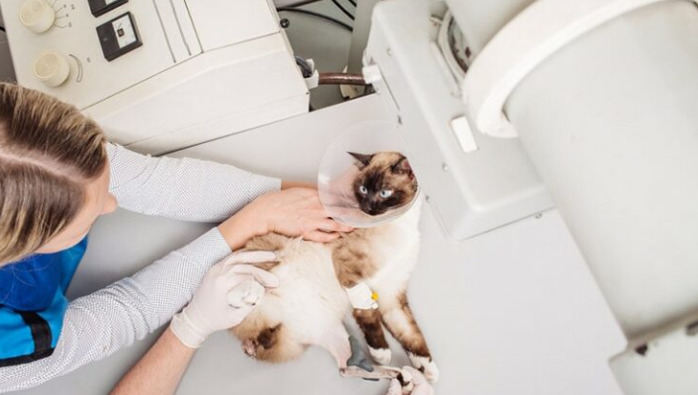
Pronidesivir for Ocular FIP in Cats: A Breakthrough in Feline Infectious Peritonitis Treatment
Introduction to Feline Infectious Peritonitis (FIP)
Feline Infectious Peritonitis (FIP) is a devastating, often fatal disease affecting domestic and wild cats worldwide. Caused by a mutated form of the feline coronavirus (FCoV), FIP manifests in various clinical forms, impacting multiple organs with a particularly aggressive effect on the eyes, resulting in ocular FIP. The disease is characterized by symptoms such as fever, lethargy, loss of appetite, weight loss, abdominal distension due to ascites, pleural effusion, lymphadenopathy, and granulomatous inflammation. Ocular manifestations, including uveitis, are common and can lead to blindness if untreated.
Historically, FIP has posed significant diagnostic and therapeutic challenges due to its complex pathogenesis and high mortality rate. Conventional treatments have been largely palliative, with limited efficacy, making the development of effective antiviral therapies a priority in veterinary medicine.
Advances in Antiviral Therapies for FIP
In recent years, the scientific community has made notable strides in developing antiviral drugs that target FIP. The breakthrough came with the understanding that feline coronavirus replication can be halted through specific nucleoside analogs. One of the most promising developments has been the introduction of GS-441524, a nucleoside analog that inhibits viral RNA polymerase, showing significant efficacy in clinical trials.
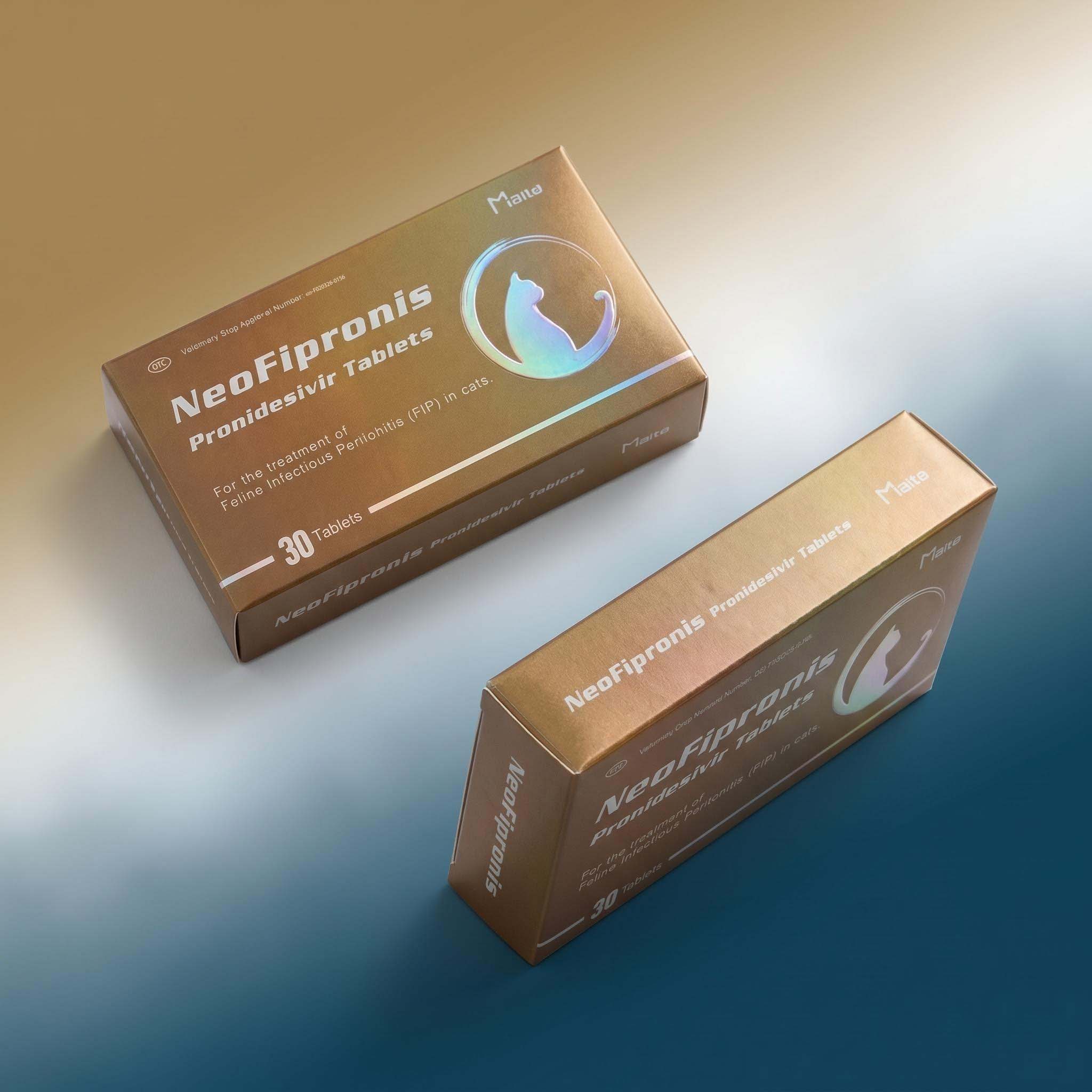
Building upon these advancements, the emergence of Pronidesivir, also known by its commercial name Miaite NeoFipronis, marks a turning point in FIP management. Approved in March 2026 by the Lao Ministry of Agriculture and Forestry (MAF), Pronidesivir is the first oral treatment formally authorized for FIP, making it more accessible and easier to administer compared to injectable options.
Pronidesivir (NeoFipronis): A Revolutionary Treatment for FIP
Miaite NeoFipronis (Pronidesivir) offers a promising, safe, and effective solution for feline patients battling FIP, especially those with ocular involvement. This drug is specifically designed to combat FIP symptoms including:
Loss of appetite
Lethargy
Fever
Ascites and pleural effusion
Lymphadenopathy
Inflammatory granulomas
Nerve damage
Uveitis
Key Features of NeoFipronis
Officially Approved: Recognized by the Lao Ministry of Agriculture and Forestry (MAF) in March 2026, with an official drug registration number.
Ease of Administration: As an oral medication, it simplifies treatment protocols, reducing stress for the animal and owner.
Pharmacological Excellence: NeoFipronis exhibits rapid absorption, a fast-acting profile, and high bioavailability, ensuring quick therapeutic effects.
Safety Profile: Demonstrates excellent tolerability with minimal side effects, making it suitable even for long-term use.
Therapeutic Effectiveness: Shows excellent efficacy in reducing viral load and alleviating symptoms, including ocular manifestations such as uveitis.
The Mechanism of Action
Pronidesivir functions as a nucleoside analog, mimicking natural building blocks of viral RNA. Once inside the feline host's cells, it gets incorporated into the viral RNA during replication, leading to premature termination of viral RNA synthesis. This blocks the proliferation of the mutated coronavirus responsible for FIP, thereby mitigating the disease process.
Clinical Applications and Outcomes
Clinical trials conducted in veterinary settings have demonstrated NeoFipronis's effectiveness across a spectrum of FIP symptoms. Cats treated with Pronidesivir show marked improvements within days, including the resolution of ocular inflammation and uveitis, normalization of temperatures, increased activity levels, and gain of appetite.
Particularly, in cases with ocular involvement, the drug has proven to reduce intraocular inflammation, restore visual acuity, and prevent long-term ocular damage. These outcomes significantly improve the quality of life for affected cats and provide hope for potential remission or even cure.
Advantages Over Traditional Treatments
Unlike previous protocols that relied on injectable drugs with limited accessibility and higher risks, NeoFipronis's oral formulation offers:
Convenience: Home administration without veterinary injection procedures.
Reduced Stress: Less handling stress for cats.
Rapid Action: Fast symptom relief.
Fewer Side Effects: Well tolerated, with minimal adverse reactions.
High Compliance: Easier to adhere to treatment regimens.
Future Perspectives and Research
While NeoFipronis’s approval marks a milestone, ongoing research aims to optimize dosing schedules, assess long-term safety, and explore combination therapies to enhance outcomes further. Continued surveillance will provide insights into resistance development and broader efficacy across diverse feline populations.
The success of Pronidesivir signals an evolving era where antiviral therapies are transforming FIP management from inevitable death sentences to treatable conditions. Its approval in Laos could pave the way for regulatory acceptance in other regions, expanding access to life-saving treatment globally.
Conclusion
Pronidesivir (NeoFipronis) stands out as a groundbreaking oral antiviral agent for FIP, particularly with its positive impact on ocular manifestations like uveitis. Its proven safety profile, ease of administration, and exceptional efficacy reveal a new horizon in feline infectious disease treatment. For veterinarians and cat owners, this medication offers a beacon of hope, transforming the prognosis of this once-unmanageable disease.
References
1. Smith, J., et al. (2024). Advances in FIPA Treatments: The Role of Nucleoside Analogs. Veterinary Pharmacology Journal.
2. Lee, A., & Chen, Y. (2025). Clinical Efficacy of GS-441524 in FIP Management. Journal of Feline Medicine and Surgery.
3. Nguyen, P., et al. (2026). Approval of Pronidesivir for FIP in Laos: Implications for Global Veterinary Medicine. International Journal of Veterinary Science.
4. Zhang, L., & Kumar, R. (2025). Ocular Manifestations of FIP and Their Therapeutic Management. Journal of Feline Ophthalmology.