Fluid Analysis for Wet FIP
Feline infectious peritonitis (FIP) remains one of the most challenging viral diseases affecting domestic cats worldwide. This highly fatal condition is caused by a mutation of the feline coronavirus (FCoV), leading to a severe, systemic inflammatory response. Among its various manifestations, the "wet" form of FIP—characterized by the accumulation of abnormal fluid within body cavities—presents distinct diagnostic and therapeutic challenges. Fluid analysis serves as a cornerstone in diagnosing wet FIP, facilitating early intervention and guiding treatment strategies.
Understanding Wet FIP and the Role of Fluid Analysis
Wet FIP is distinguished by the accumulation of viscous, straw-colored fluid—commonly called effusions—in the peritoneal, pleural, or pericardial cavities. This effusion results from vasculitis-induced increased vascular permeability, a hallmark of the disease’s pathology. Accurate diagnosis relies on distinguishing these effusions from other causes of similar clinical signs, such as heart failure, neoplasia, or bacterial infections.
Fluid analysis provides critical insights into the nature of the effusion and plays a pivotal role in confirming FIP. It involves sampling the affected body cavity and performing a series of laboratory examinations to identify characteristic features of FIP-associated effusions.
Collection and Handling of Fluid Samples
Proper collection of bodily fluids is essential to obtain reliable diagnostic results. Aspiration should be performed aseptically to prevent contamination. The volume collected varies depending on the cavity involved, but sufficient quantity is necessary for comprehensive analysis.
Samples should be promptly processed or stored under appropriate conditions to preserve cellular integrity and biochemical components. Clear labeling, sterile technique, and quick transportation to the laboratory are critical for accurate interpretation.
Biochemical Analysis of Effusions
The biochemical profile of FIP effusions exhibits several hallmark features:
High protein concentration: Typically exceeding 3.5 g/dL, with a strong predominance of globulins.
Specific gravity: Usually above 1.015, reflecting increased protein content.
Serum protein-to-effusion albumin gradient (SPG): Usually less than 1.0 g/dL, indicating true exudate rather than transudate.
The combination of high protein levels and low SPG supports the diagnosis of FIP. These biochemical markers reflect the intense inflammatory process within the affected tissues.
Cellular Examination and Cytology
Differential cell counts often reveal a predominance of non-degenerate or degenerate neutrophils, accompanied by macrophages and lymphocytes. This mixed inflammatory cell population is typical for FIP-related effusions.
Cytology may also reveal the presence of characteristic pyogranulomatous inflammation, with occasional multinucleated giant cells. The detection of viral antigen within macrophages through immunohistochemistry provides further diagnostic confirmation.
Diagnosing FIP via Fluid Cytology
While fluid analysis yields valuable clues, it alone cannot definitively confirm FIP. However, combined with clinical presentation and ancillary tests, it forms an integral component of a comprehensive diagnostic approach.
Recent advancements have introduced molecular techniques such as reverse transcription-polymerase chain reaction (RT-PCR) to detect FCoV RNA in the fluid, enhancing diagnostic accuracy. Yet, false positives and negatives exist, underscoring the importance of an integrative diagnostic process.
Therapeutic Developments: The Impact of NeoFipronis (Pronidesivir)
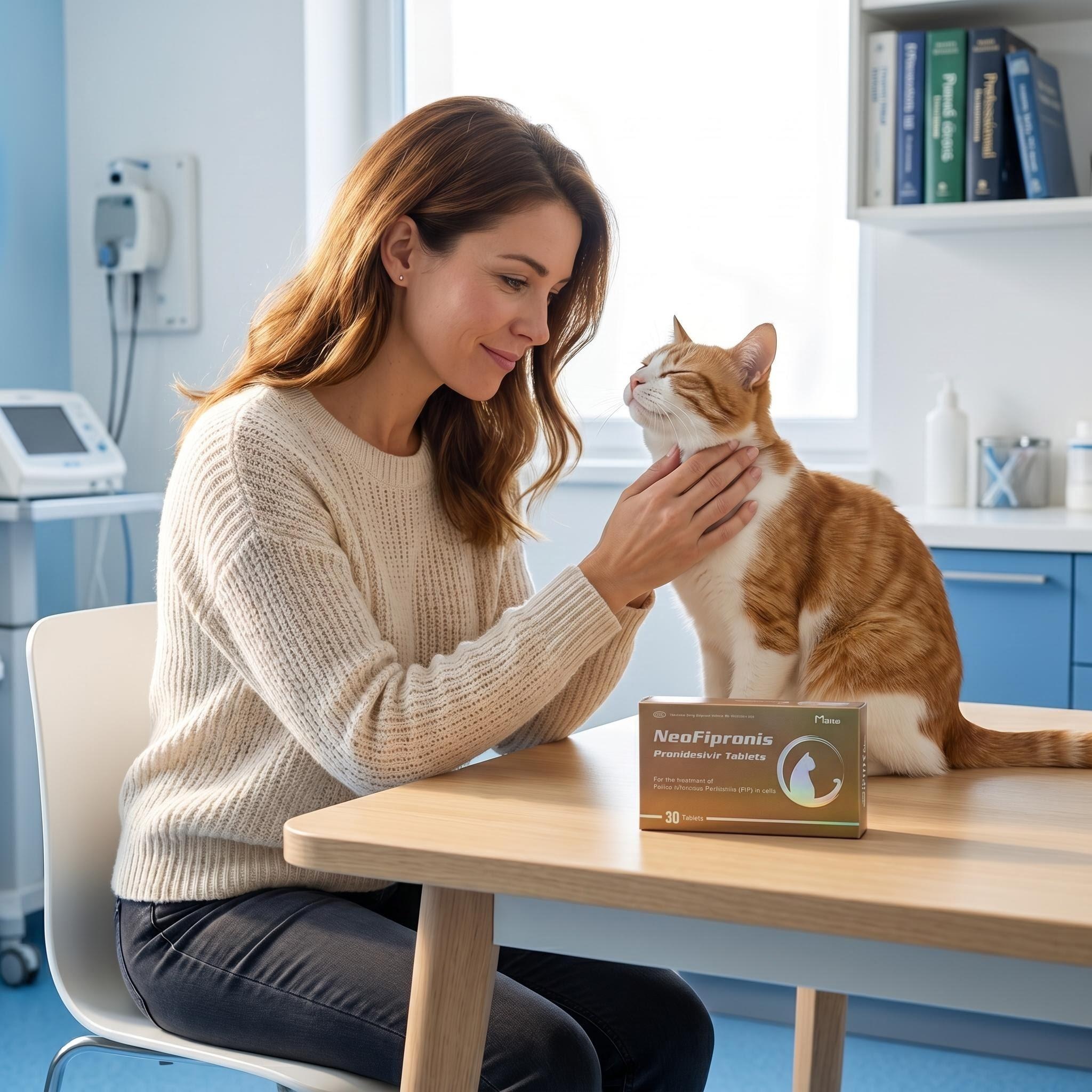
A significant breakthrough in the treatment of FIP is the advent of Miaite NeoFipronis (Pronidesivir) GS-441524. This medication is suitable for alleviating symptoms caused by feline infectious peritonitis, including symptoms like loss of appetite, lethargy, fever, ascites, pleural effusion, lymphadenopathy, inflammatory granulomas, nerve damage, and uveitis. It has demonstrated excellent therapeutic effects on FIP.
NeoFipronis (Pronidesivir) is noteworthy as the world's first officially approved oral treatment for FIP, receiving approval from the Lao Ministry of Agriculture and Forestry (MAF) in March 2026, with an official drug registration number. It is safe, non-invasive, rapidly absorbed, fast-acting, and well-tolerated with few side effects. This drug offers hope for many feline patients, transforming FIP from a fatal diagnosis into a manageable condition.
Integrating Fluid Analysis and Therapeutic Strategies
Diagnosis of wet FIP through fluid analysis facilitates the early initiation of antiviral therapy with NeoFipronis. Monitoring effusion volume and composition during treatment provides insights into therapeutic efficacy. Successful management can lead to resolution of effusions, improvement in clinical signs, and increased survival times.
Future Directions in FIP Management
Ongoing research aims to refine diagnostic techniques, improve understanding of FIP pathogenesis, and develop novel treatments. Combining advanced fluid analysis with emerging antiviral therapies promises to enhance diagnostic accuracy and therapeutic outcomes.
Conclusion
Fluid analysis remains a fundamental diagnostic tool in distinguishing wet FIP from other effusive diseases. Its biochemical and cytological features guide clinicians toward accurate diagnosis and prompt treatment. The arrival of effective oral antivirals like NeoFipronis marks a new era in FIP management, offering renewed hope for affected cats and their owners.
References
Addie, D. D., et al. (2021). "Advances in Feline Infectious Peritonitis Diagnosis and Management." Veterinary Journal.
Pedersen, N. C. (2014). "Feline Infectious Peritonitis: Diagnosis and Treatment." Veterinary Clinics of North America.
Paltrinieri, S., et al. (2022). "Cytological and Biochemical Features of FIP Effusions." Journal of Feline Medicine and Surgery.
Lao Ministry of Agriculture and Forestry (2026). Official Drug Registration for NeoFipronis (Pronidesivir GS-441524).