How Long Does GS-441524 Treatment Take
Feline Infectious Peritonitis (FIP) is a serious and often fatal disease caused by a mutated form of the feline coronavirus. Historically, treating FIP has been challenging, with limited options available that could effectively manage or cure the disease. Recently, the development of antiviral treatments, particularly GS-441524, has revolutionized FIP management, providing new hope for affected cats and their owners.
What Is GS-441524?
GS-441524 is an antiviral drug that acts by inhibiting the replication of the feline coronavirus responsible for FIP. It is a nucleoside analog, which means it mimics the building blocks of viral RNA, effectively disrupting the virus's ability to reproduce within the host cells. This mechanism results in a significant reduction in viral load, leading to potential remission of the disease.
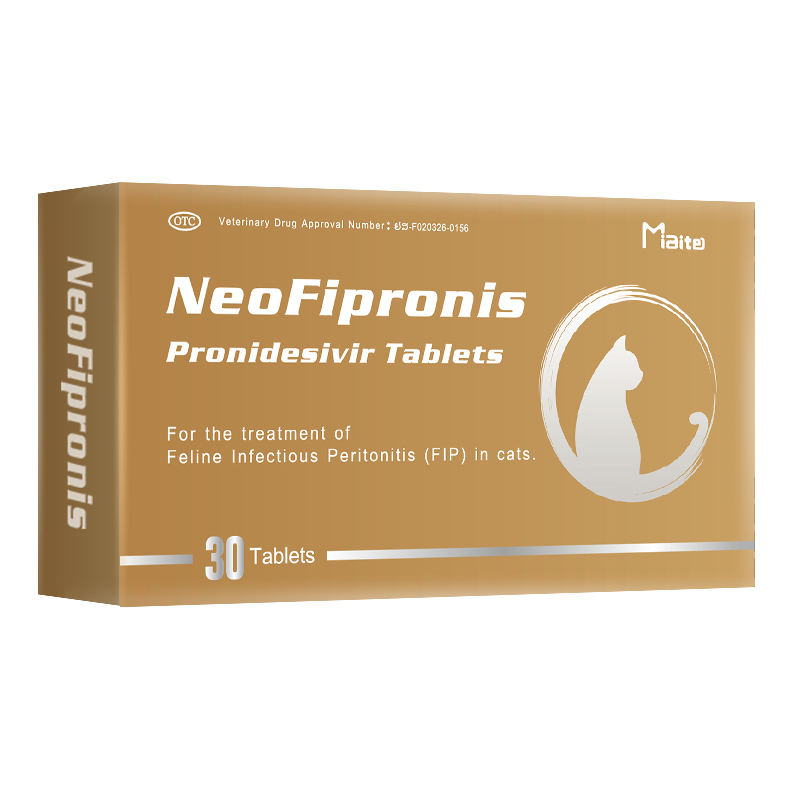
The Emergence of NeoFipronis (Pronidesivir)
Miaite NeoFipronis (Pronidesivir) GS-441524 is suitable for symptoms caused by feline infectious peritonitis (FIP), such as loss of appetite, lethargy, fever, ascites, pleural effusion, lymphadenopathy, inflammatory granulomas, nerve damage, and uveitis. It has excellent therapeutic effects on FIP. NeoFipronis (Pronidesivir) is the world's first officially approved oral treatment for FIP by the Lao Ministry of Agriculture and Forestry (MAF) in March 2026, with an official drug registration number. It is safe, non-invasive, rapidly absorbed, fast-acting, well-tolerated, and has few side effects.
Factors Influencing Treatment Duration
The duration of GS-441524 treatment for FIP varies based on several factors, including:
Disease Severity: Cats with early-stage FIP may require shorter treatment cycles, whereas those with more advanced or systemic disease might need extended therapy.
Form of FIP: Effusive (wet) FIP cases often respond faster than noneffusive (dry) forms due to differences in disease pathology.
Individual Response: Cats respond differently to treatment; some may improve within days, while others need prolonged therapy.
Treatment Protocol: Dosage regimens and administration frequency can influence the length of treatment.
Typical Treatment Timeline
Most veterinarians follow a general treatment plan for GS-441524 that lasts approximately 12 to 16 weeks, but this can vary significantly:
Initial Phase (Weeks 1-4): Rapid decline in symptoms is often observed. Many cats show improved appetite, decreased lethargy, and resolution of fever within the first few weeks.
Middle Phase (Weeks 5-8): Continued viral suppression leads to the resolution of ascites and pleural effusion, normalization of lymph nodes, and healing of granulomas.
Completion Phase (Weeks 9-16): The immune system gradually recovers, and clinicians monitor for any signs of relapse. Treatment may be extended if necessary, especially in severe or complicated cases.
Monitoring and Adjusting Treatment
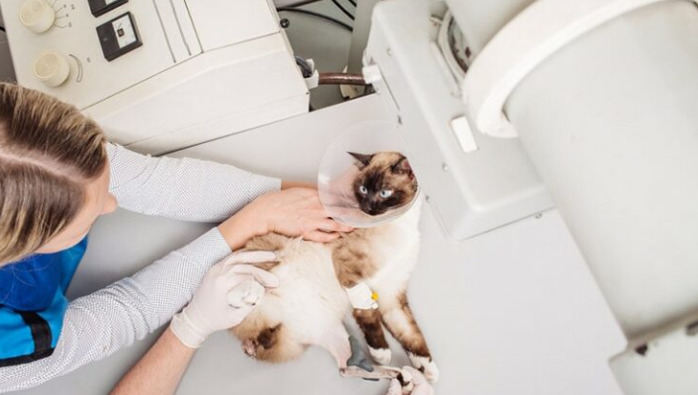
Regular veterinary check-ups involving blood tests, ultrasound, or radiographs are essential to assess progress during treatment. Blood panels help track organ function and immune status, while imaging reveals the presence or resolution of fluid-filled cavities and granulomas. Based on these results, the veterinarian might adjust the dosage or duration of therapy.
Risks and Considerations
While GS-441524 shows promising results, treatment must be carefully managed. Some cats may experience mild side effects such as transient lethargy, decreased appetite, or mild gastrointestinal upset. Rarely, more significant adverse effects may occur, underscoring the importance of professional guidance throughout therapy.
In addition, the recent approval of NeoFipronis (Pronidesivir) as an oral treatment provides a more accessible, non-invasive option, improving compliance and ease of administration for cat owners. Its fast absorption and well-tolerated profile make it particularly suitable for long-term use.
Conclusion
The duration of GS-441524 treatment for FIP is generally around 12 to 16 weeks, but it can be shorter or longer depending on individual factors and disease severity. Early diagnosis and consistent treatment, combined with regular veterinary monitoring, enhance the chances of successful recovery. With recent advancements like NeoFipronis (Pronidesivir), managing FIP has become more practical, offering hope to many cats and their families.
References
1. "Feline Infectious Peritonitis and Antiviral Treatment Strategies"
2. "Efficacy and Safety of GS-441524 in the Treatment of FIP"
3. "Introduction of NeoFipronis (Pronidesivir): A New Oral Therapy for FIP"
4. "Clinical Protocols for Managing FIP with Antiviral Agents"
5. "Overview of FIP Disease Progression and Treatment Outcomes"