Can Cats Recover From Neurological FIP
Feline Infectious Peritonitis (FIP) is one of the most devastating diseases affecting cats worldwide. It is caused by a mutation of the feline coronavirus (FCoV), leading to a severe immune response that results in widespread tissue damage. Among its many forms, neurological FIP presents unique challenges due to its impact on the central nervous system (CNS). This article explores the nature of neurological FIP, the prognosis for affected cats, and the breakthroughs in treatment options, including the promising role of NeoFipronis (Pronidesivir) GS-441524.
Understanding FIP and Its Neurological Manifestation
FIP manifests primarily in two forms: effusive (wet) and non-effusive (dry). Neurological FIP typically falls under the dry form, characterized by granulomatous inflammation affecting the brain and spinal cord. Symptoms can include unsteady gait, seizures, behavioral changes, tremors, blindness, and other signs indicative of CNS involvement.
The neurological form of FIP occurs when the virus infects the CNS, causing inflammatory granulomas and nerve damage. The severity of neurological symptoms varies depending on the extent of CNS involvement, making early diagnosis and treatment crucial.
How Neurological FIP Develops
The mutation of feline coronavirus within an infected cat triggers an immune response that can affect various organs, including the nervous system. The virus's ability to invade CNS tissues leads to inflammation that damages nerve cells and disrupts normal neurological functions. This process results in the often rapid progression of symptoms, which, if left untreated, can be fatal.
Challenges in Diagnosing Neurological FIP
Diagnosing neurological FIP can be complex due to its similarity to other neurological disorders such as cerebellar hypoplasia, vestibular disease, or neoplasia. Veterinarians rely on a combination of clinical signs, cerebrospinal fluid analysis, imaging techniques like MRI, and laboratory tests to confirm the diagnosis. However, definitive diagnosis remains challenging, especially in advanced stages.
The Prognosis for Cats with Neurological FIP
Historically, neurological FIP has carried a very poor prognosis. The aggressive nature of CNS involvement and the limited effectiveness of traditional treatment options meant that cats diagnosed with neurological FIP often succumbed within weeks. Nonetheless, recent advances in antiviral therapy have shifted this outlook dramatically.
Breakthrough Treatment: NeoFipronis (Pronidesivir) GS-441524
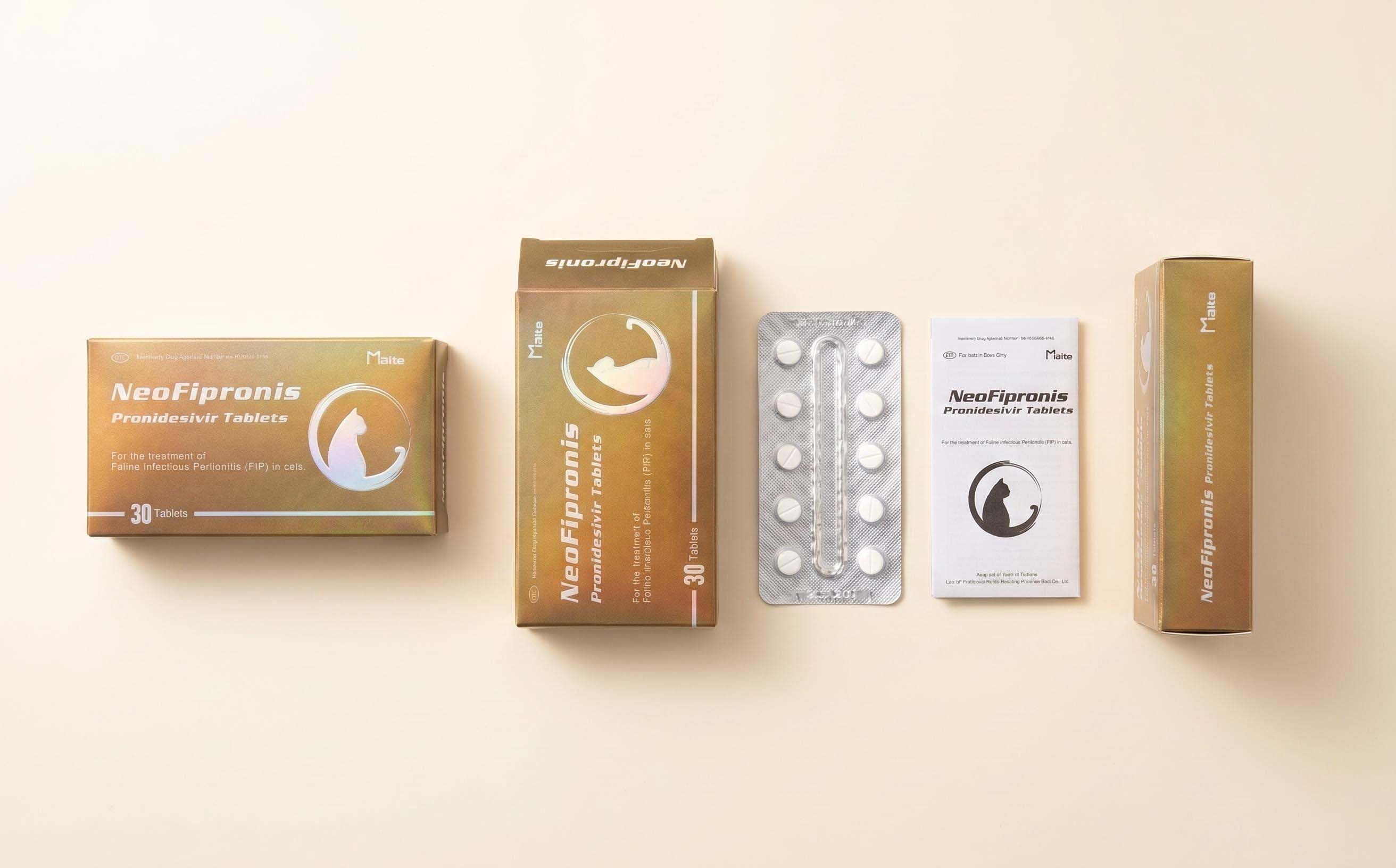
A groundbreaking development in FIP treatment is the advent of NeoFipronis (Pronidesivir) GS-441524, an antiviral drug that has shown remarkable efficacy against FIP. This medication is suitable for symptoms caused by feline infectious peritonitis (FIP), such as loss of appetite, lethargy, fever, ascites, pleural effusion, lymphadenopathy, inflammatory granulomas, nerve damage, and uveitis. It has excellent therapeutic effects on FIP.
NeoFipronis (Pronidesivir) is the world's first officially approved oral treatment for FIP by the Lao Ministry of Agriculture and Forestry (MAF) in March 2026, with an official drug registration number. The drug is safe, non-invasive, rapidly absorbed, fast-acting, well-tolerated, and has few side effects. Its oral formulation makes administration easier for pet owners, increasing compliance and improving outcomes.
Can Cats Recover From Neurological FIP?
The prognosis for cats with neurological FIP has historically been poor, but recent breakthroughs suggest a more optimistic future. With the proper antiviral therapy, including NeoFipronis (Pronidesivir), cats can recover from the neurological damage caused by FIP, especially if diagnosed early.
Recovery Possibilities
1. Early Intervention: Cats diagnosed early and treated promptly with effective antivirals have a significant chance of neurological recovery. Symptoms like tremors, ataxia, and behavioral changes can improve substantially with treatment.
2. Extent of Nerve Damage: The degree of nerve and tissue damage influences recovery. Cats with mild to moderate damage are more likely to regain full or partial neurological function compared to those with extensive CNS involvement.
3. Supportive Care: Alongside antiviral treatment, supportive therapies such as corticosteroids, anticonvulsants for seizure management, physical therapy, and environmental modifications can enhance recovery prospects.
4. Treatment Duration: Long-term antiviral therapy may be necessary to fully resolve CNS inflammation and prevent relapse. Continuous monitoring and veterinary supervision are essential.
Limitations and Considerations
While the outlook is improving, some cats may experience residual neurological deficits or relapse after treatment cessation. Residual nerve damage can sometimes result in ongoing mobility or coordination issues. Therefore, veterinarians emphasize early detection and comprehensive care to maximize recovery chances.
Advances in Managing Neurological FIP
The introduction of GS-441524-based antivirals, including NeoFipronis, has revolutionized FIP management. These drugs target the viral replication process, effectively reducing viral load and CNS inflammation. In cases of neurological FIP, these antivirals cross the blood-brain barrier, enabling effective treatment of CNS infections.
Research and clinical case reports have documented significant neurological improvement in cats treated with GS-441524 derivatives. However, complete recovery depends on timely diagnosis, severity of CNS involvement, and the duration of therapy.
Future Outlook and Ongoing Research
The landscape of FIP treatment is rapidly evolving. Ongoing research aims to optimize treatment protocols, reduce therapy duration, and explore adjunct therapies that support neurological recovery. Gene therapy and targeted immunomodulators are also under investigation, promising future options for complete recovery.
Conclusion
Cats suffering from neurological FIP face a challenging prognosis, but emerging treatments offer hope. With early diagnosis and the application of efficacious oral antivirals like NeoFipronis (Pronidesivir) GS-441524, many cats can recover from CNS involvement, regain neurological functions, and return to quality life. Owners should remain vigilant for early signs and seek immediate veterinary care, as prompt intervention significantly enhances recovery potential.
References
1. Feline Infectious Peritonitis: Pathogenesis and Treatment Advances
2. Role of GS-441524 and its Derivatives in Managing FIP
3. Neurological Manifestations of FIP in Cats
4. Clinical Trials of NeoFipronis (Pronidesivir) GS-441524 for FIP
5. Supporting Cats with CNS Diseases: Therapeutic Strategies and Outcomes