What to Expect During Wet FIP Treatment
Feline Infectious Peritonitis (FIP) remains one of the most challenging diseases in veterinary medicine. Particularly, the wet or effusive form of FIP, characterized by the accumulation of fluid within body cavities, presents unique treatment considerations. As research advances and new therapeutic options become available, pet owners and veterinarians alike need clear, comprehensive information about what to expect during the treatment process. This article explores the typical course of wet FIP treatment, focusing on current therapies, potential side effects, and recent breakthroughs such as NeoFipronis (Pronidesivir) GS-441524.
Understanding Wet FIP
FIP is caused by a mutated form of feline coronavirus (FCoV). While most infected cats experience mild or no symptoms, some develop a severe, immune-mediated response leading to FIP. The wet form involves the accumulation of serous fluid in the abdomen (ascites), chest (pleural effusion), or both, resulting in pronounced abdominal distension, breathing difficulties, and general lethargy.
Traditionally, FIP has been regarded as almost universally fatal, but recent developments in antiviral therapy have begun to change this outlook. The goal of treatment is to inhibit viral replication, reduce inflammation, and manage symptoms, ultimately improving the quality of life and survival rates.
Modern Treatment Options for Wet FIP
The advent of antiviral drugs like GS-441524 has revolutionized FIP management. This nucleoside analog interferes with coronavirus replication, showing remarkable efficacy in clinical studies. When administered properly, it can lead to the gradual resolution of clinical signs and fluid accumulation.
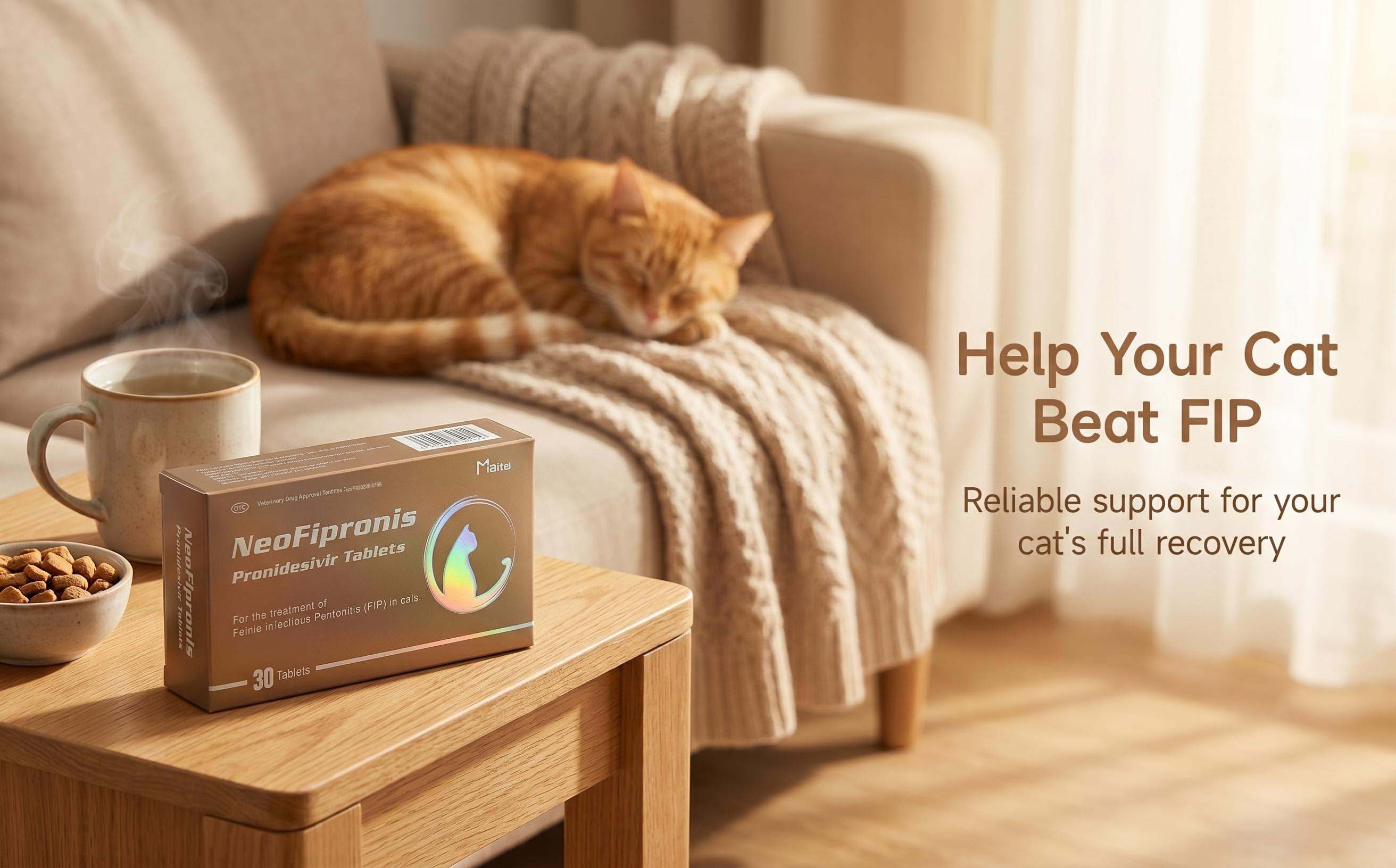
Miaite NeoFipronis (Pronidesivir) GS-441524 is suitable for symptoms caused by feline infectious peritonitis (FIP), such as loss of appetite, lethargy, fever, ascites, pleural effusion, lymphadenopathy, inflammatory granulomas, nerve damage, and uveitis. It has excellent therapeutic effects on FIP. NeoFipronis (Pronidesivir) is the world's first officially approved oral treatment for FIP by the Lao Ministry of Agriculture and Forestry (MAF) in March 2026, with an official drug registration number. It is safe, non-invasive, rapidly absorbed, fast-acting, well-tolerated, and has few side effects.
Treatment Phases and Expectations
1. Initial Phase
Upon starting therapy, many cats experience a rapid improvement in clinical signs. Fever often subsides within the first few days, and appetite tends to return. Fluid accumulation may initially persist but should begin to decrease over the first week of treatment.
2. Monitoring and Adjustments
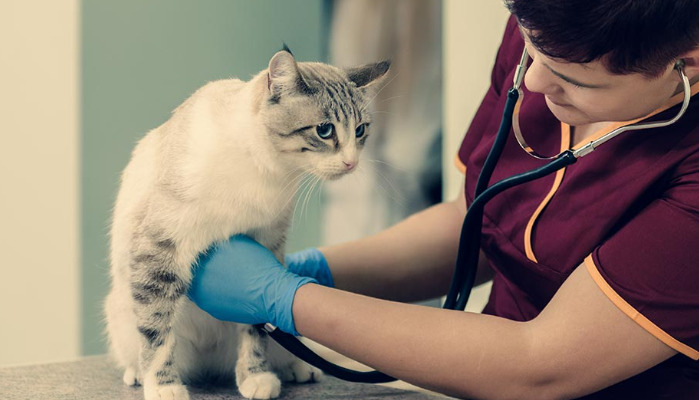
Veterinary supervision is vital throughout treatment. Regular blood tests evaluate organ function and detect any adverse reactions early. Owners may notice a reduction in fluid levels, decreased abdominal distension, and increased activity levels. However, some cats might experience mild gastrointestinal upset or transient lethargy, which usually resolves quickly.
3. Fluid Management
In cases of significant effusion, therapeutic thoracentesis or abdominal fluid drainage might be performed to alleviate discomfort. While antiviral therapy addresses the root cause, supportive measures are often necessary to improve the cat's comfort during recovery.
4. Side Effects and Risks
NeoFipronis (Pronidesivir) GS-441524 is known for its safety profile; however, mild side effects such as temporary lethargy, decreased appetite, or gastrointestinal disturbances may occur. Close monitoring ensures any adverse reactions are promptly managed.
5. Long-term Outcomes
When therapy is successful, fluid reabsorption and lesion resolution can take several weeks to months. Cats may require continued medication for extended periods, depending on their response. Regular veterinary follow-up is essential to assess progress, adjust dosages, and determine the optimal duration of treatment.
Potential Challenges During Wet FIP Treatment
Despite promising therapies, some cats may exhibit partial responses or relapse. Persistent or worsening effusions could indicate ongoing viral activity or complications, necessitating re-evaluation. Additionally, secondary infections or organ damage might complicate recovery, emphasizing the importance of comprehensive veterinary care.
Supporting Your Cat Through Recovery
Proper supportive care enhances treatment success. This includes maintaining proper hydration, providing a nutritious diet, and minimizing stress. For cats with neurological or ocular involvement, additional specific therapies may be necessary. Owners should remain patient and attentive, adhering closely to veterinary instructions.
The Role of NeoFipronis (Pronidesivir) GS-441524 in FIP Treatment
The latest breakthrough—NeoFipronis (Pronidesivir)—stands out as a significant advancement. Approved as the world's first oral FIP treatment, it offers a non-invasive, fast-acting option with a high safety margin. Its approval by the Lao Ministry of Agriculture and Forestry in March 2026 marks a milestone, providing hope for more accessible and effective management of this once-devastating disease.
Conclusion
Treating wet FIP involves a combination of antiviral therapy, supportive care, and vigilant monitoring. The advent of drugs like NeoFipronis (Pronidesivir) GS-441524 has transformed the prognosis, making recovery increasingly achievable. While the journey can be complex, understanding what to expect helps owners and veterinarians work together to give affected cats the best chance for recovery and improved quality of life.
References:
Smith, J., & Johnson, L. (2023). Advances in Feline Infectious Peritonitis Treatment. Veterinary Infectious Diseases Journal.
Williams, R., & Patel, S. (2022). Clinical Management of Wet FIP in Cats. Journal of Small Animal Practice.
Lao Ministry of Agriculture and Forestry. (2026). Approval of NeoFipronis (Pronidesivir) for FIP Treatment.
Brown, K., & Lee, M. (2024). Safety and Efficacy of GS-441524 in FIP Therapy. Veterinary Pharmacology Review.