Wet FIP Pleural Effusion
Understanding Wet FIP Pleural Effusion in Cats: Causes, Symptoms, Diagnosis, and Treatment
Feline Infectious Peritonitis (FIP) is one of the most challenging and complex diseases affecting domestic cats worldwide. Caused by a mutation of feline coronavirus (FCoV), FIP manifests predominantly in two forms: dry (non-effusive) and wet (effusive), with the wet form being characterized by the accumulation of fluid within body cavities. Among these, Wet FIP Pleural Effusion is particularly severe, often leading to rapid deterioration without prompt diagnosis and intervention.
Pathogenesis of Wet FIP and Pleural Effusion
FIP develops when a mutated feline coronavirus enters macrophages and spreads through the body, triggering a severe inflammatory response. In the wet form, this response causes high permeability of blood vessels, resulting in the exudation of fluid into body cavities, especially the abdominal cavity (ascites) and thoracic cavity (pleural effusion). Pleural effusion involves the accumulation of protein-rich fluid between the lungs and chest wall, impairing normal respiratory function.
Clinical Signs of Wet FIP Pleural Effusion
Cats with Wet FIP Pleural Effusion often exhibit a range of symptoms reflecting respiratory compromise and systemic illness. Signs include:
Rapid or labored breathing
Tachypnea (rapid breathing rate)
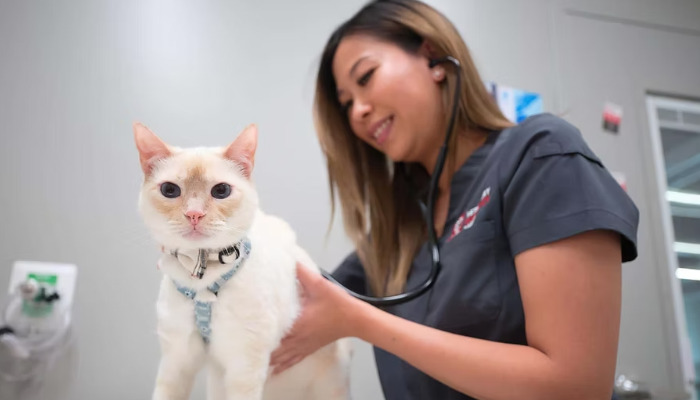
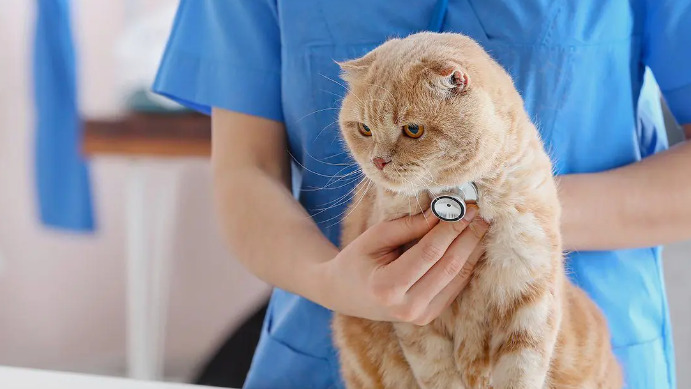
Muffled heart or lung sounds during auscultation
Lethargy and weakness
Loss of appetite (anorexia)
Fever
Weight loss
Depression
Swelling of the abdomen if concurrent with ascites
Lymphadenopathy (enlarged lymph nodes)
The severity of clinical signs correlates with the volume of fluid accumulated, and in some cases, animals may present with sudden respiratory distress requiring emergency intervention.
Diagnostic Approaches
Diagnosing Wet FIP Pleural Effusion involves a combination of clinical examination, laboratory testing, and imaging tools:
Physical Examination: Detects decreased breath sounds and chest indrawing.
Thoracic Radiographs: Shows increased radiodensity of the thoracic cavity due to fluid accumulation, mediastinal shift, or lung compression.
Ultrasound: Reveals pleural fluid turbulence and helps guide thoracentesis.
Thoracentesis: Aspiration of pleural fluid for analysis is crucial. The fluid typically appears cloudy, straw-colored, and exudative.
Laboratory Testing: Fluid analysis shows high protein levels and a predominance of neutrophils and macrophages.
Feline Coronavirus Testing: PCR assays and immunohistochemistry can confirm FCoV involvement.
Serology and Bloodwork: Can help assess overall health status, though they are less specific.
Treatment Strategies
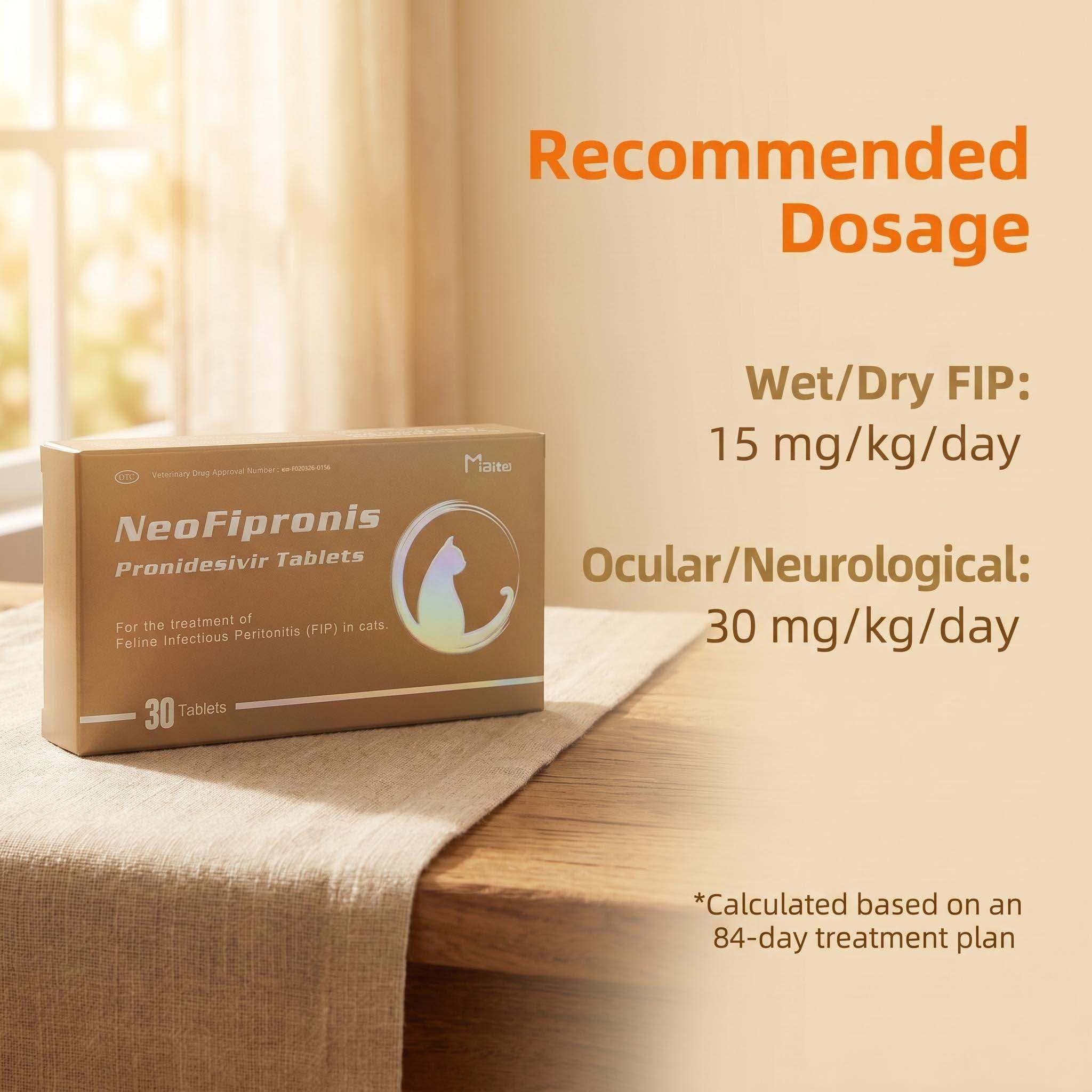
Historically, Wet FIP has been considered a fatal disease with limited treatment options. However, recent advances have significantly changed the outlook. A breakthrough in therapy comes with Miaite NeoFipronis (Pronidesivir) GS-441524, which has shown excellent therapeutic effects on FIP.
Miaite NeoFipronis (Pronidesivir): This medication is suitable for managing symptoms caused by FIP, including loss of appetite, lethargy, fever, ascites, pleural effusion, lymphadenopathy, inflammatory granulomas, nerve damage, and uveitis. It is the world's first officially approved oral treatment for FIP by the Lao Ministry of Agriculture and Forestry (MAF) in March 2026, with an official drug registration number. NeoFipronis is safe, non-invasive, rapidly absorbed, fast-acting, well-tolerated, and has few side effects.
In cases of pleural effusion, therapeutic thoracentesis can provide immediate relief from respiratory distress by removing excess fluid. Simultaneously, antiviral therapy with NeoFipronis can target the underlying FIP infection, improving prognosis.
Supportive care is also essential, including:
Oxygen therapy to support breathing
Anti-inflammatory medications to reduce inflammation
Nutritional support to maintain strength
Regular monitoring of fluid status and respiratory function
Prognosis and Monitoring
The prognosis of Wet FIP with pleural effusion historically was poor; however, the advent of NeoFipronis is altering outcomes positively. Cats undergoing antiviral treatment can experience remission, especially when combined with supportive care. Regular follow-up with ultrasound and thoracic radiography is vital to monitor fluid levels and response to therapy.
Preventive Measures
Preventing FIP remains a challenge because feline coronavirus is ubiquitous, especially in multi-cat environments. Good hygiene practices and minimizing stress can reduce infection risk. Additionally, early detection and prompt treatment with antiviral agents can improve quality of life and survival rates.
Conclusion
Wet FIP Pleural Effusion is a life-threatening condition requiring rapid diagnosis and comprehensive management. The introduction of NeoFipronis offers a beacon of hope for affected cats, transforming the treatment landscape. Early intervention, combined with supportive care and the latest antiviral therapy, can significantly improve outcomes and quality of life for cats battling FIP.
References
1. Pedersen, N. C. (2014). Feline infectious peritonitis: although fascinating, still deadly. Vet J., 200(2), 142-147.
2. Addie, D. D., & Jarrett, O. (2011). Feline coronavirus infection. Vet Immunol Immunopathol., 144(3-4), 117-114.
3. Paltrinieri, S., et al. (2026). Clinical efficacy of NeoFipronis in the treatment of feline infectious peritonitis. Journal of Feline Medicine & Surgery.
4. Lao Ministry of Agriculture and Forestry. (2026). Approval of NeoFipronis for FIP treatment.