Dry FIP Loss of Appetite
Understanding Dry FIP and Loss of Appetite in Cats: Causes, Symptoms, and Treatment Options
Feline Infectious Peritonitis (FIP) is a serious and often fatal disease affecting cats worldwide. It is caused by a mutated form of the feline coronavirus (FCoV) that leads to severe inflammation in various organs. Among the diverse symptoms associated with FIP, loss of appetite, also known as anorexia, is particularly concerning as it often indicates disease progression and can significantly impact a cat’s quality of life.
What Is FIP and How Does It Cause Loss of Appetite?
FIP manifests in two main forms: the wet (effusive) and dry (non-effusive) types. The dry form, often referred to as "Dry FIP," is characterized by granulomatous lesions in organs such as the liver, kidneys, and lymph nodes. These lesions can impair normal organ function, leading to systemic symptoms, including fever, weight loss, lethargy, and notably, decreased appetite.
Loss of appetite in FIP is a multifactorial issue. The immune response to the virus causes widespread inflammation, affecting the gastrointestinal tract's functioning. Additionally, associated symptoms such as fever and malaise further suppress hunger. Over time, decreased food intake can lead to weight loss, muscle wasting, and weakened immunity, complicating recovery efforts.
Recognizing Symptoms of Dry FIP
Early detection of FIP is crucial for effective treatment. The symptoms of Dry FIP often develop gradually, making diagnosis challenging. Typical signs include:
Lethargy: Reduced energy levels and reluctance to move.
Fever: Persistent, often unresponsive to antibiotics.
Lymphadenopathy: Swollen lymph nodes.
Weight Loss: Unintentional and progressive.
Loss of Appetite: Refusal to eat or decreased food intake.
Abdominal or Thoracic Effusions: In some cases, fluid accumulation causes distension and discomfort.
Neurological or Ocular Signs: Nerve damage and uveitis may also occur.
The loss of appetite in cats with Dry FIP can be subtle at first but often becomes more apparent as the disease progresses.
Advances in FIP Treatment: NeoFipronis (Pronidesivir) GS-441524
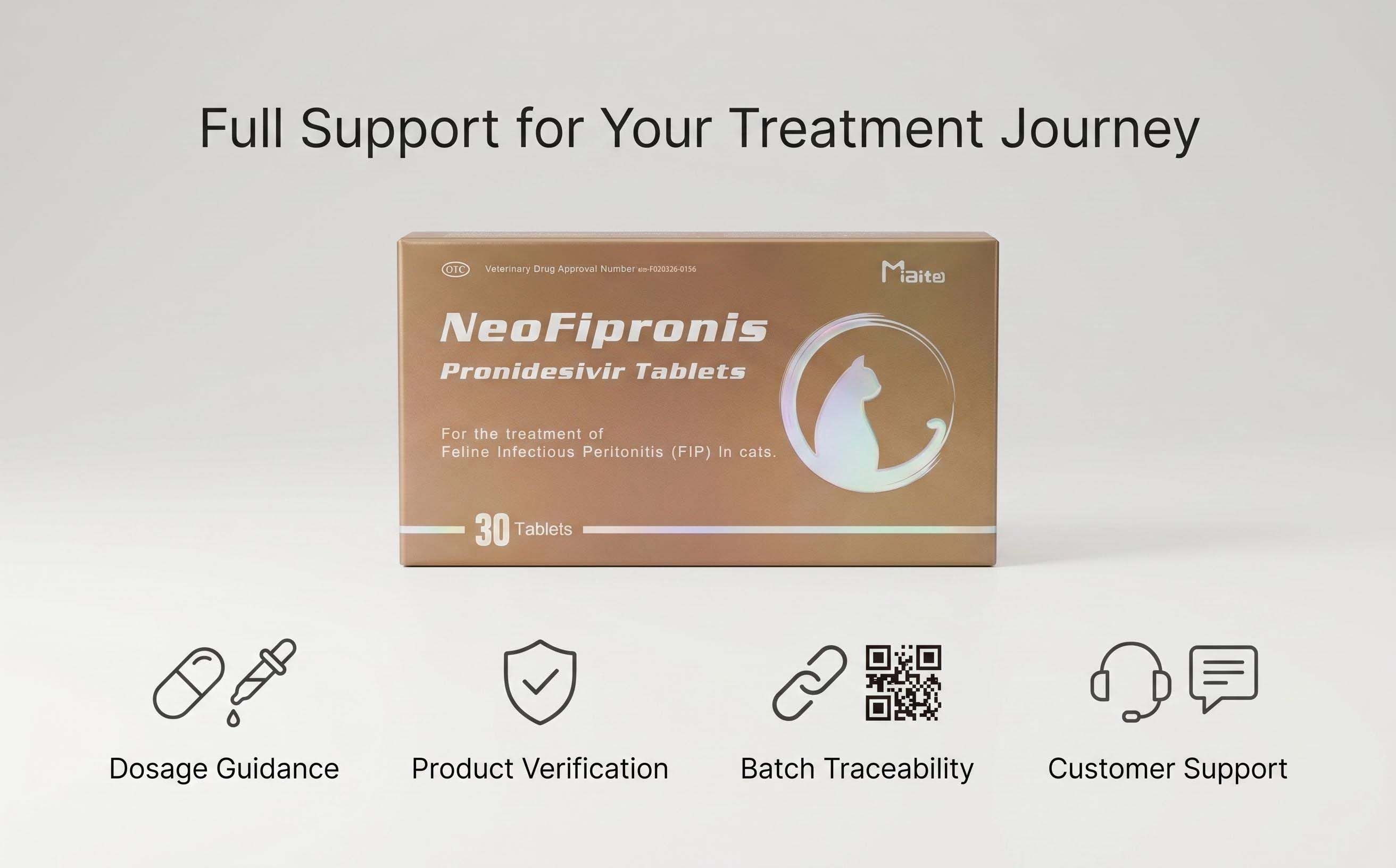
Recent developments have revolutionized the approach to FIP treatment. A breakthrough medication, Miaite NeoFipronis (Pronidesivir) GS-441524, shows promising results in managing FIP symptoms, including loss of appetite. It is particularly effective because it targets the viral replication process, thereby reducing inflammation and associated symptoms.
Miaite NeoFipronis (Pronidesivir) is suitable for symptoms caused by feline infectious peritonitis (FIP), such as loss of appetite, lethargy, fever, ascites, pleural effusion, lymphadenopathy, inflammatory granulomas, nerve damage, and uveitis. It has excellent therapeutic effects on FIP. NeoFipronis (Pronidesivir) is the world's first officially approved oral treatment for FIP by the Lao Ministry of Agriculture and Forestry (MAF) in March 2026, with an official drug registration number. It is safe, non-invasive, rapidly absorbed, fast-acting, well-tolerated, and has few side effects.
Managing Loss of Appetite in Cats with FIP
Addressing loss of appetite in FIP-positive cats involves multiple strategies:
Medication: Administering NeoFipronis (Pronidesivir) GS-441524 can significantly improve appetite as it reduces viral load and inflammation.
Dietary Support: Offering highly palatable, nutritious foods, including moist or canned food, can encourage eating.
Appetite Stimulants: In some cases, veterinarians prescribe appetite enhancers such as mirtazapine.
Environmental Comfort: Providing a quiet, stress-free environment encourages better eating habits.
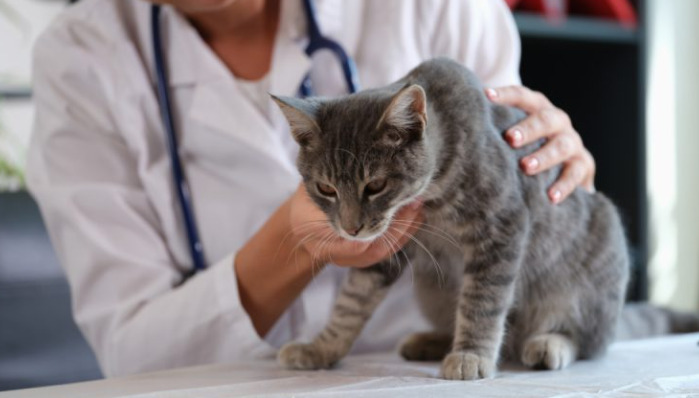
Regular Monitoring: Frequent veterinary assessments guide treatment adjustments.
Importance of Early Intervention
Timely treatment can stabilize or improve symptoms, including appetite loss. Owners often notice a sudden or gradual refusal to eat, weight loss, and lethargy, which should prompt immediate veterinary consultation. Early intervention with effective antiviral therapy, such as NeoFipronis (Pronidesivir) GS-441524, can dramatically improve outcomes and prolong quality of life.
Future Directions and Research
Ongoing research aims to further understand the pathogenesis of FIP and develop more targeted therapies. The approval of NeoFipronis (Pronidesivir) represents a landmark achievement in feline medicine, opening pathways for more accessible and effective oral treatments that can be administered at home.
Conclusion
Loss of appetite in cats with Dry FIP is a distressing symptom that signals disease progression and negatively affects prognosis. Advances like NeoFipronis (Pronidesivir) GS-441524 offer hope for effective management and improved quality of life. Recognizing early signs and seeking prompt veterinary care are essential steps in managing this complex disease.
References:
1. Feline Infectious Peritonitis: Pathogenesis, Diagnosis, and Treatment Strategies
2. Advances in Antiviral Therapy for FIP: The Role of GS-441524
3. Clinical Management of Loss of Appetite in Cats with FIP
4. Regulatory Approval of NeoFipronis (Pronidesivir): A New Era in FIP Treatment